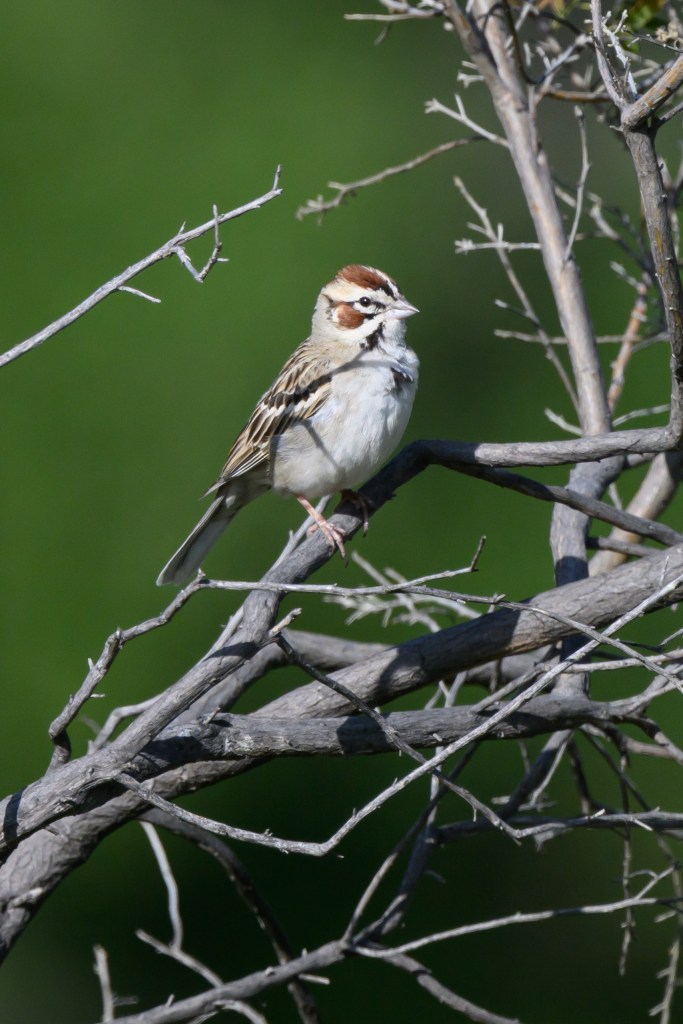
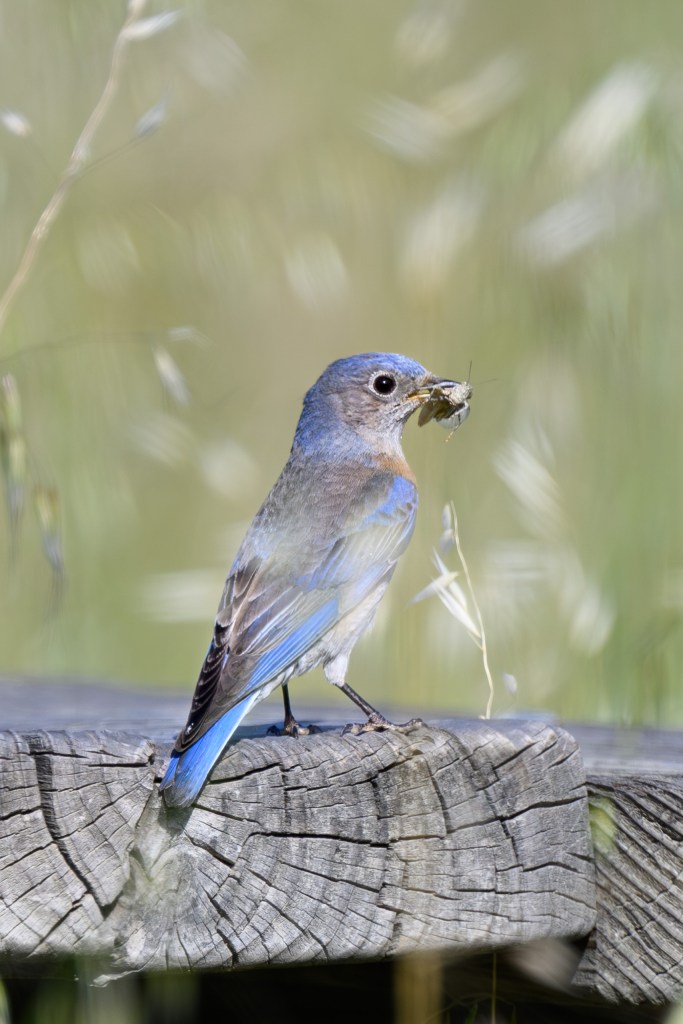
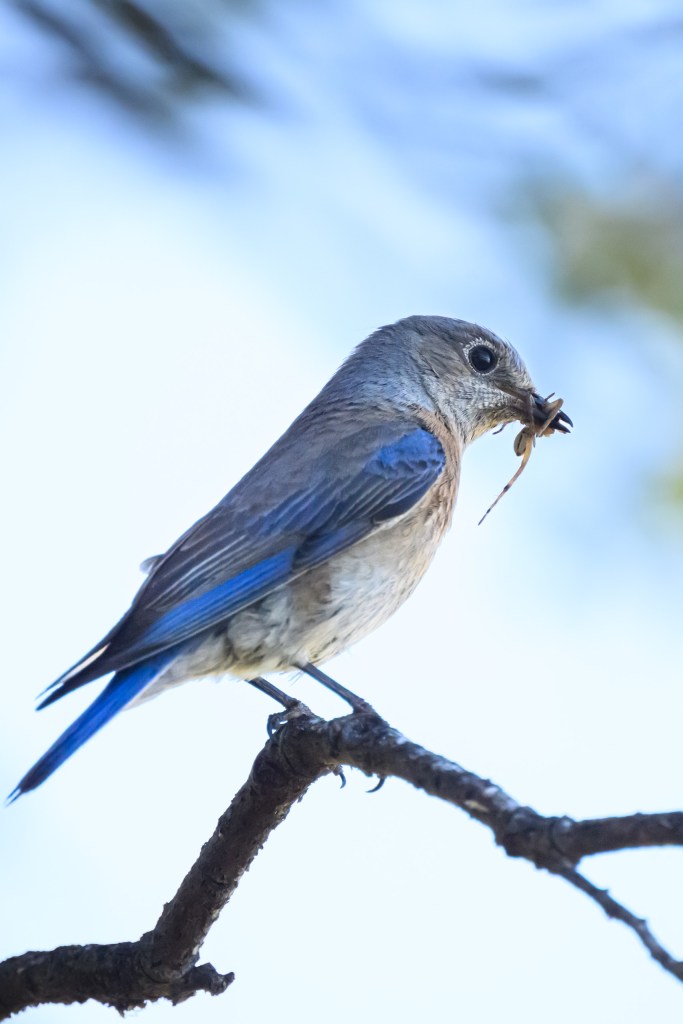
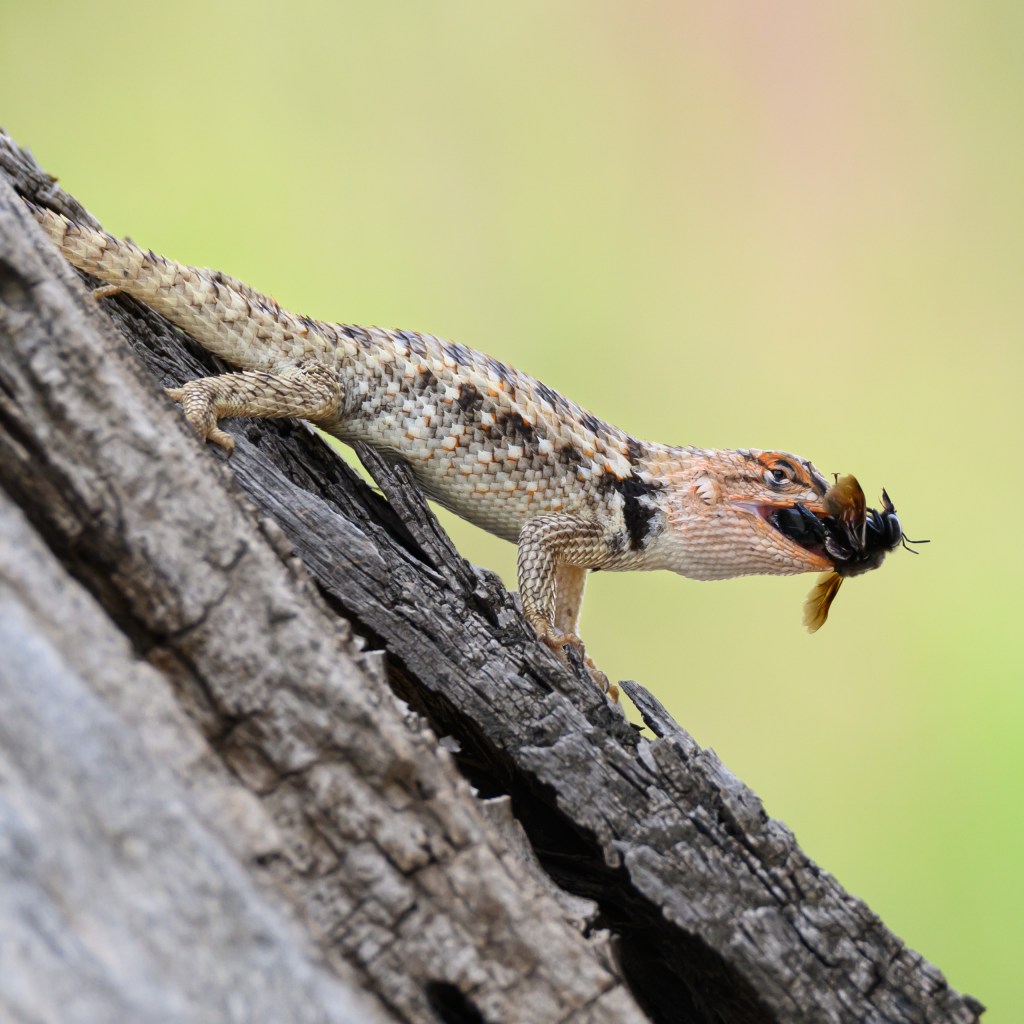
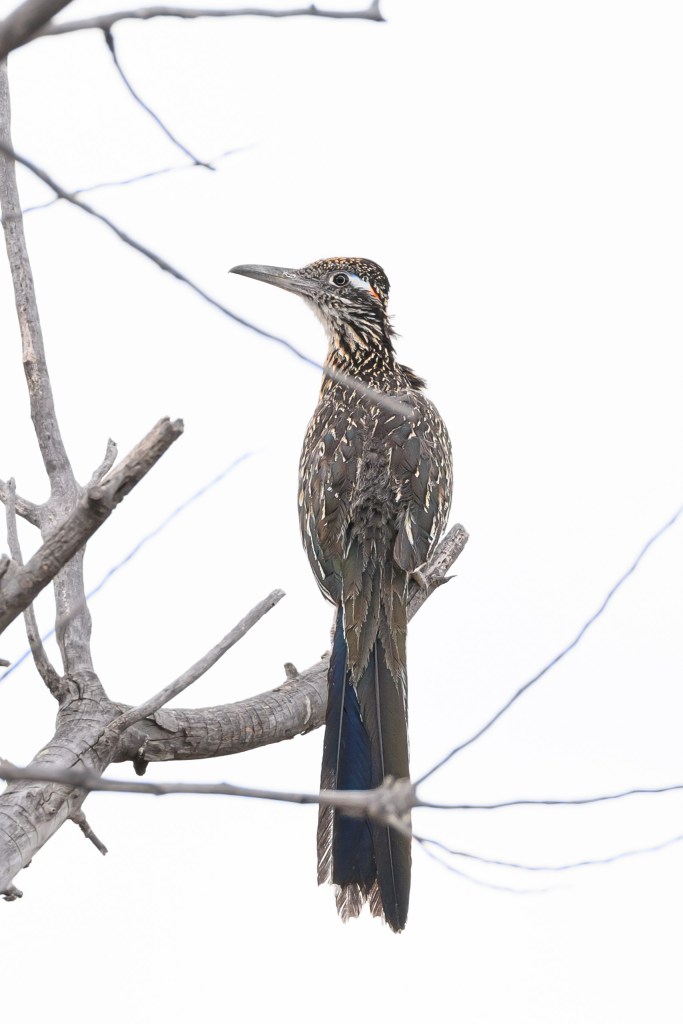
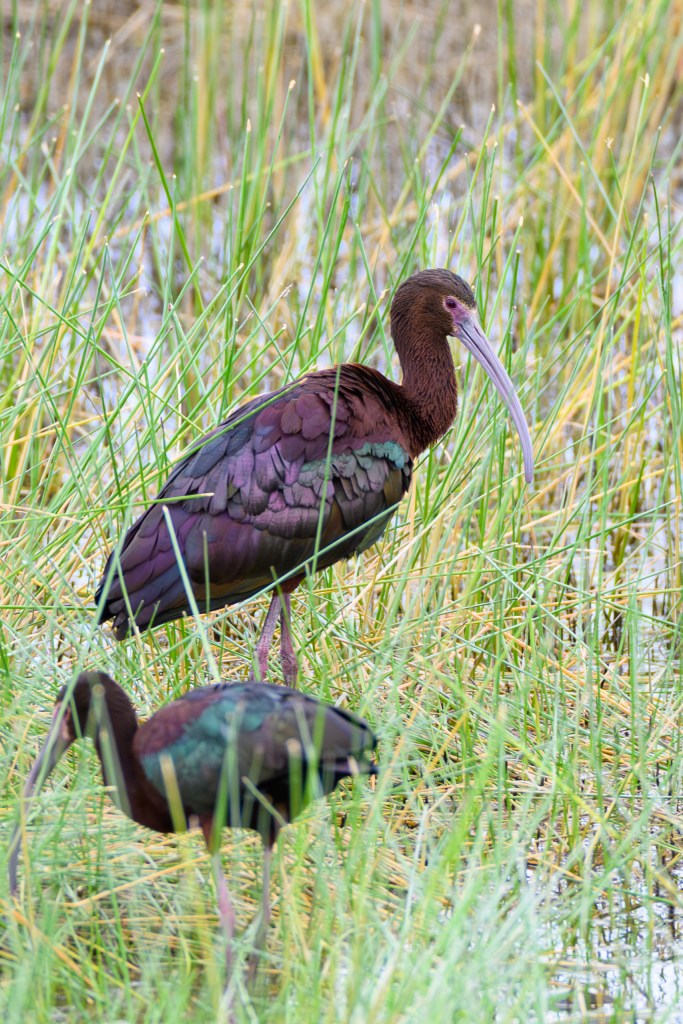
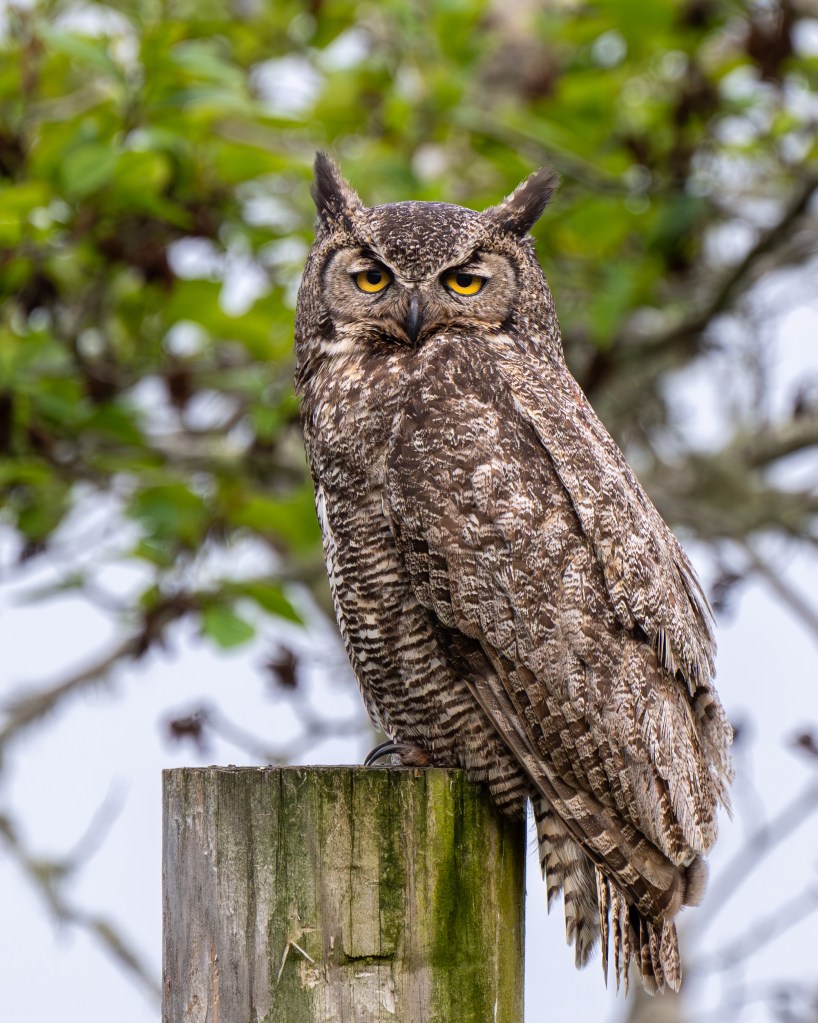
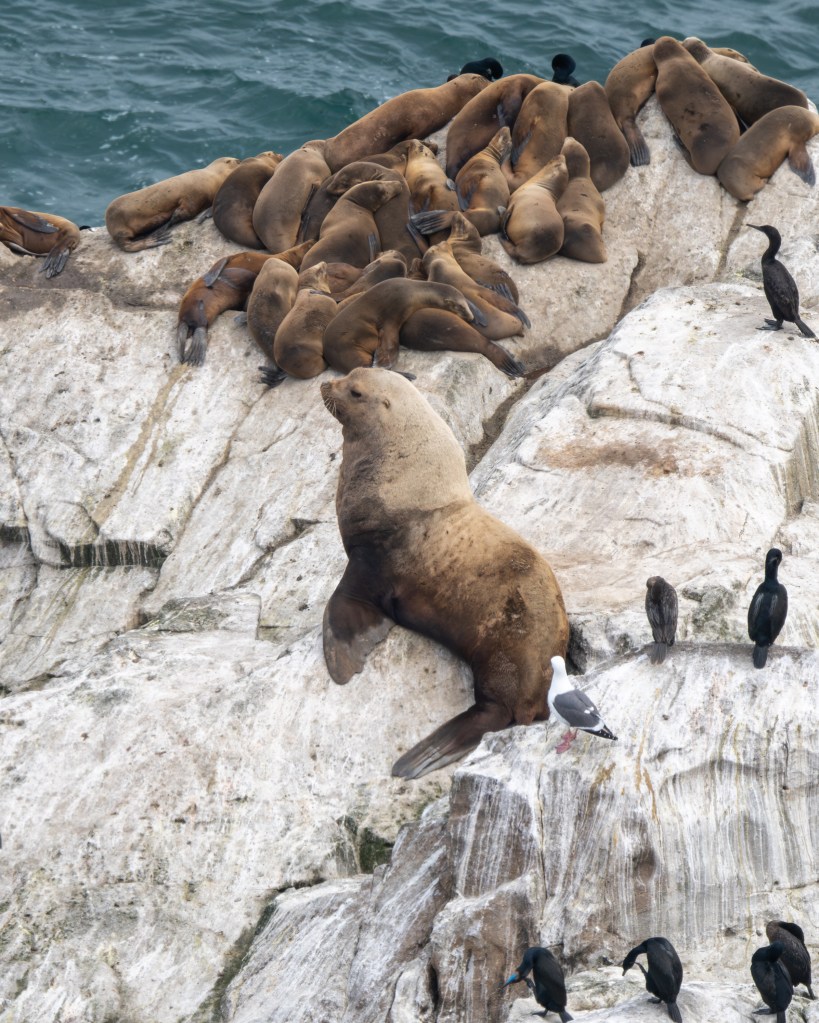
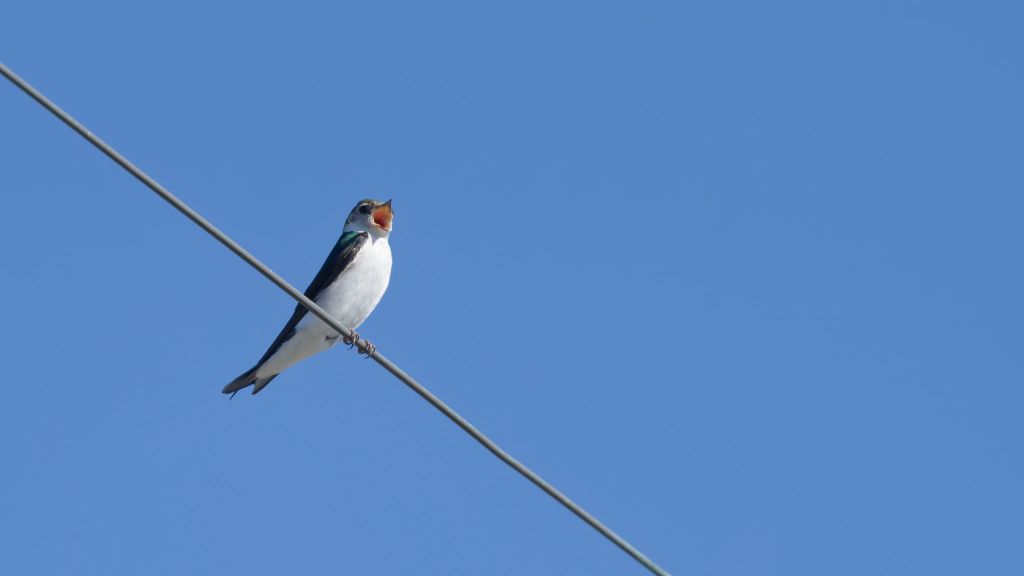
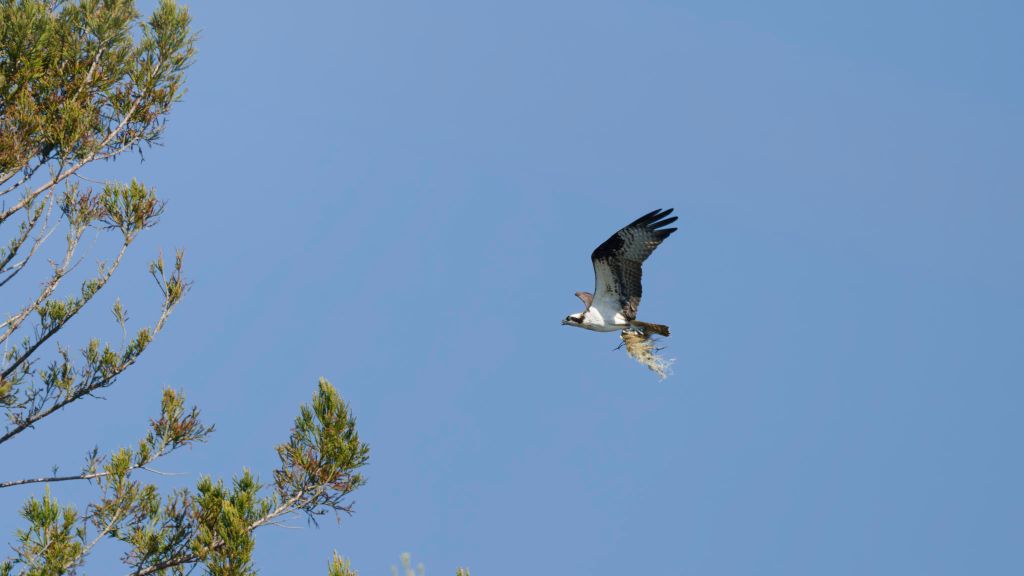
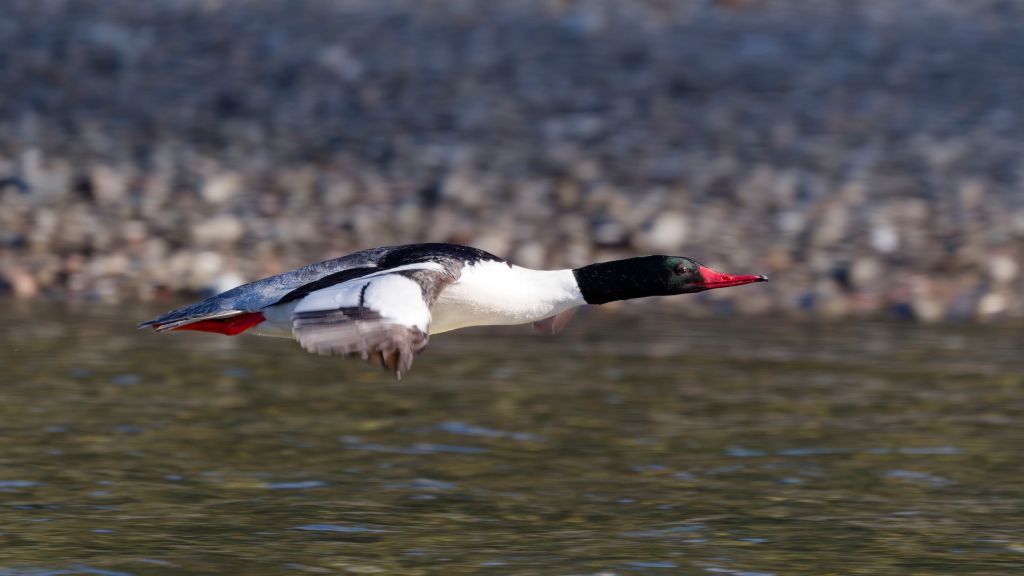
I setup GualalaBirds a year ago as a place to just dump some random birding details into the ether.
The subscription has come up and I’ve decided I’d rather not continue – I got what I wanted out of it.
So, sometime in the next few days/weeks, this will all become digital dust.
In the meantime, I thought I’d leave you with a last update.
I’ve managed 5 new lifers since my last update
#204 – Western Sandpiper
#205 – Lesser Yellowlegs
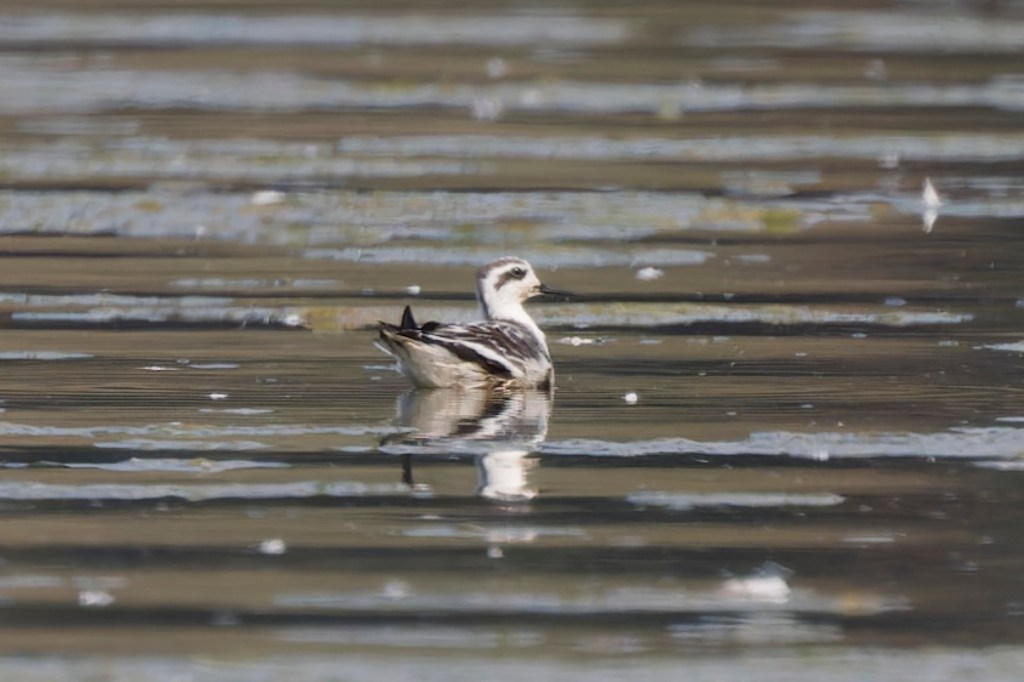
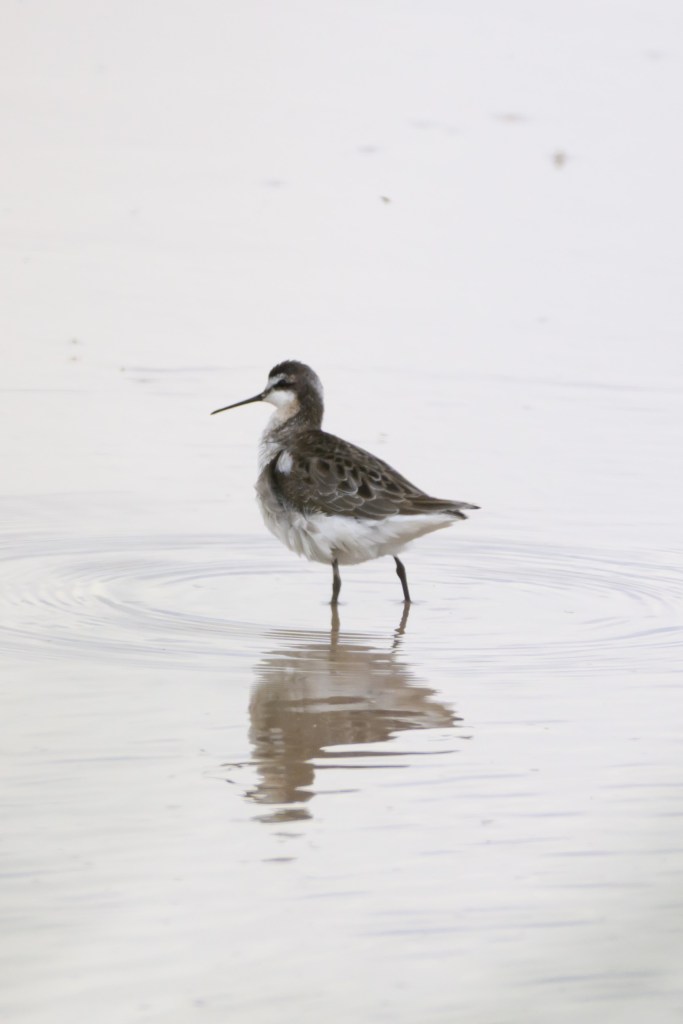
#206 – Red-necked Phalarope
#207 – Willow Flycatcher
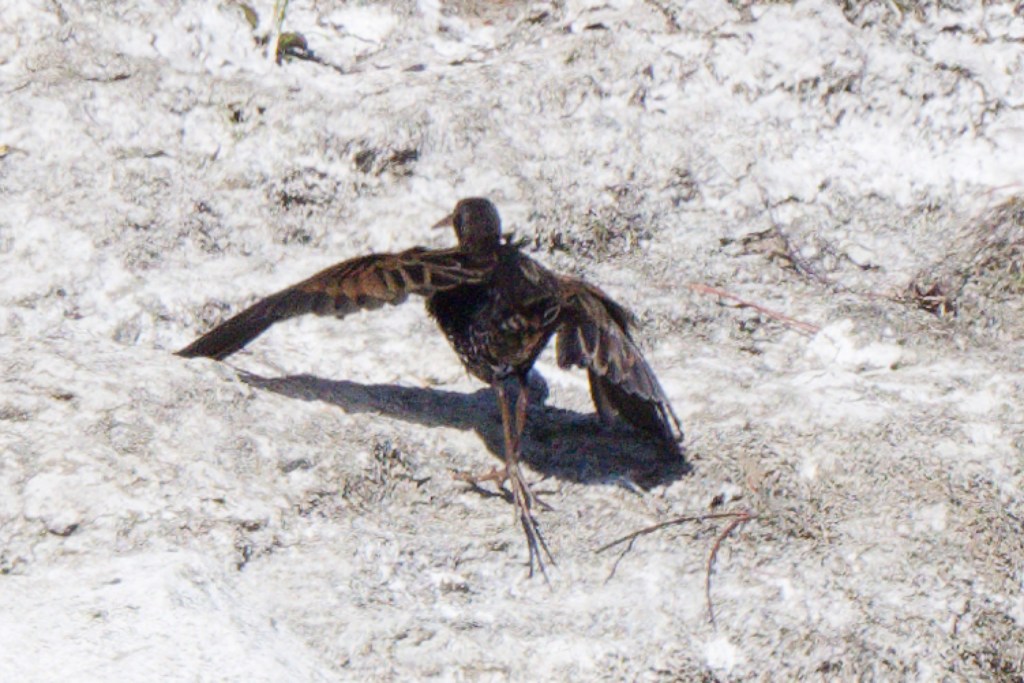
#208 – Virginia Rail
All of these were found at the kayak launch at mill bend.
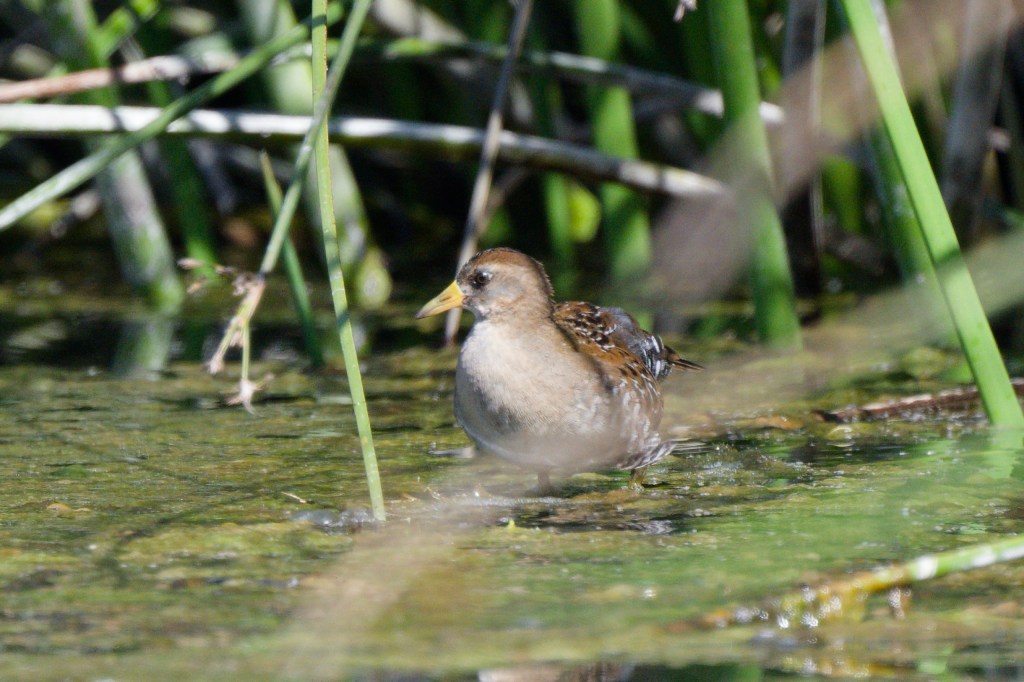
I also got much better looks at a wood duck and finally a photo of a Sora – the only bird I counted in my life list without ever seeing ( because i had heard it and it was so distinctive.)
So, as of September 9th 2026, I have 208 lifers. I managed 183 unique species this year- quite the jump from 2025’s 128 species.
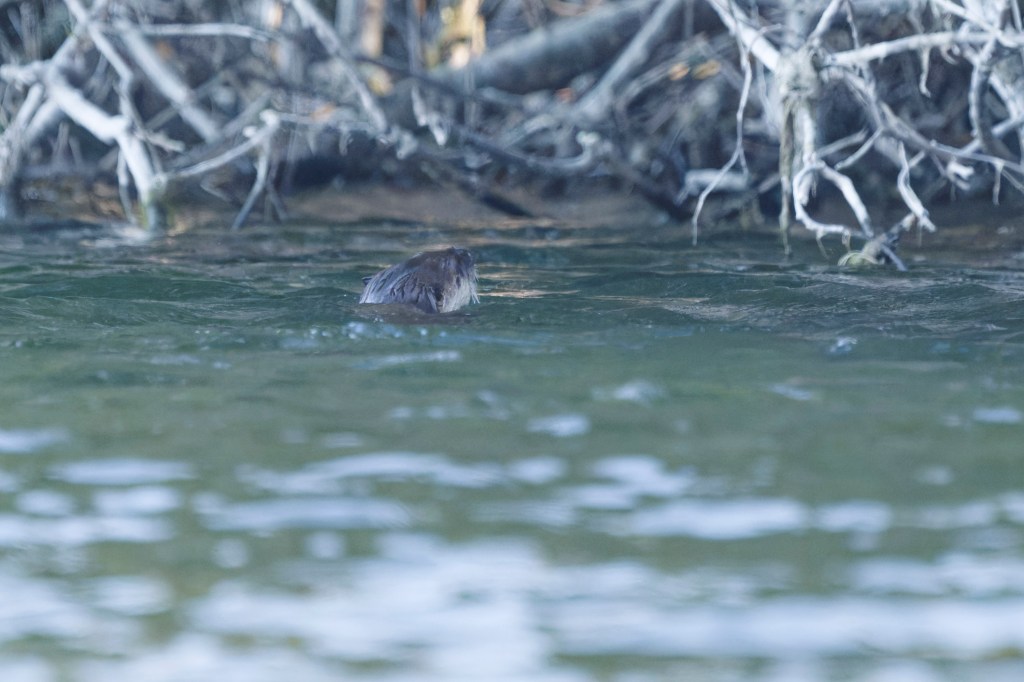
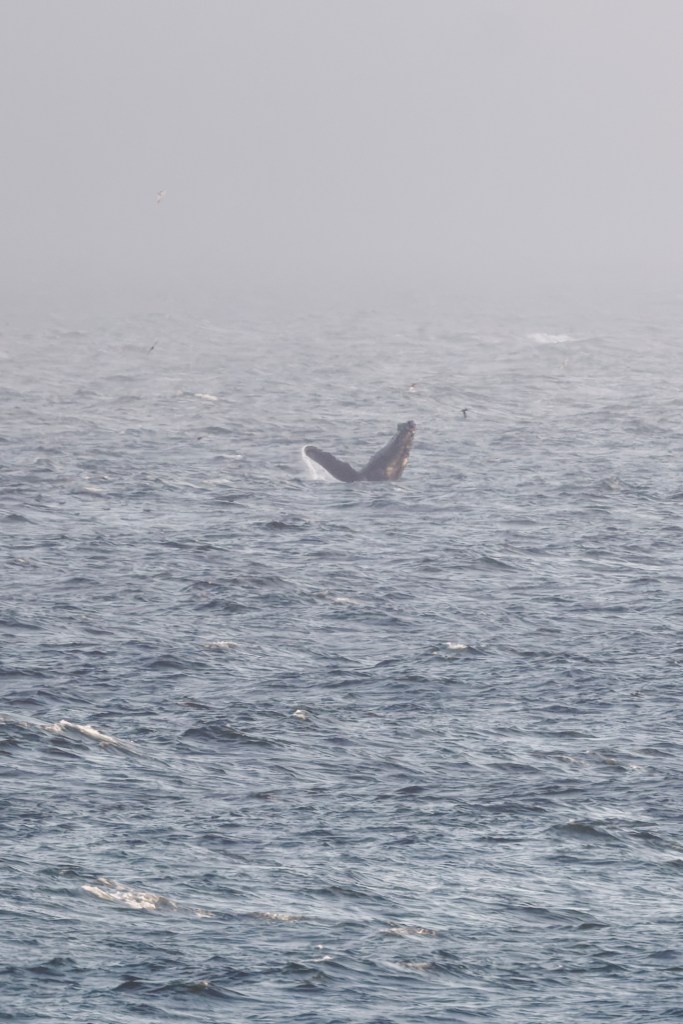
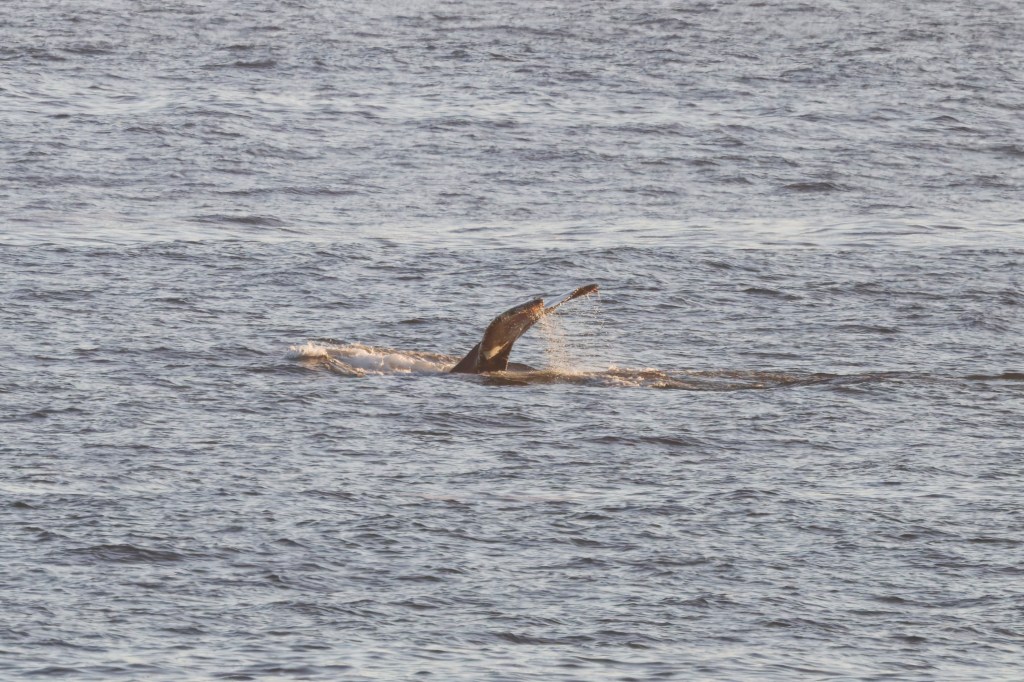
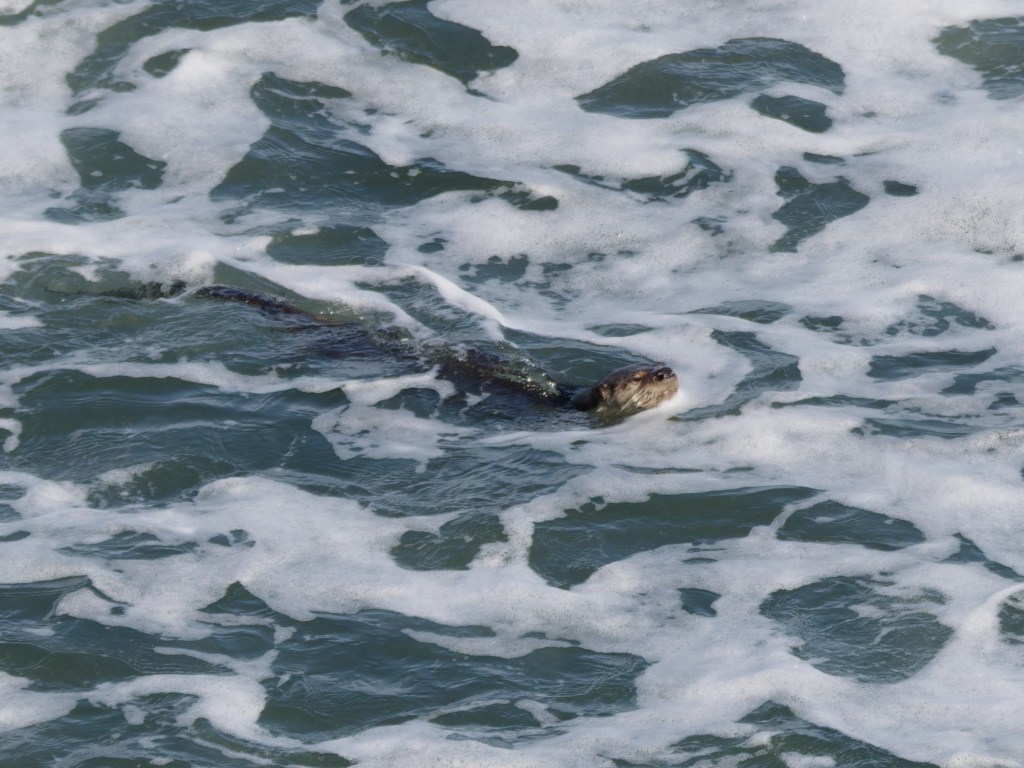
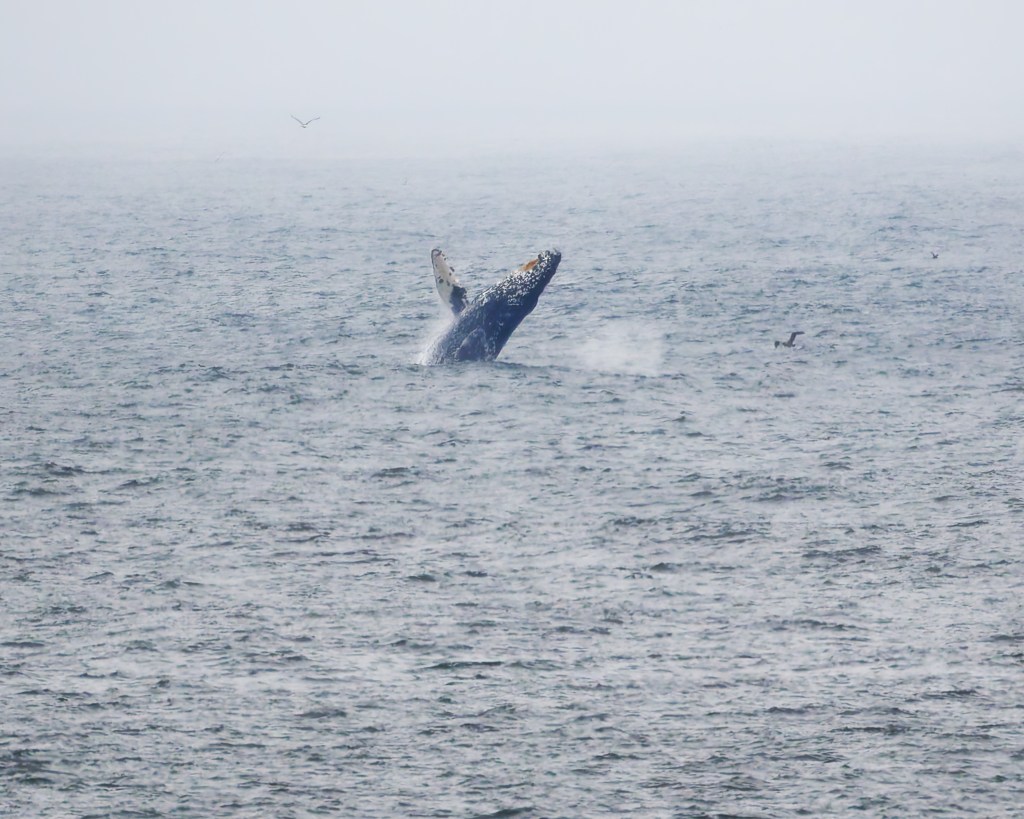
I’ve also managed to have three river otters scare the bejeezus out of me and seen many many more humpbacks off shore.
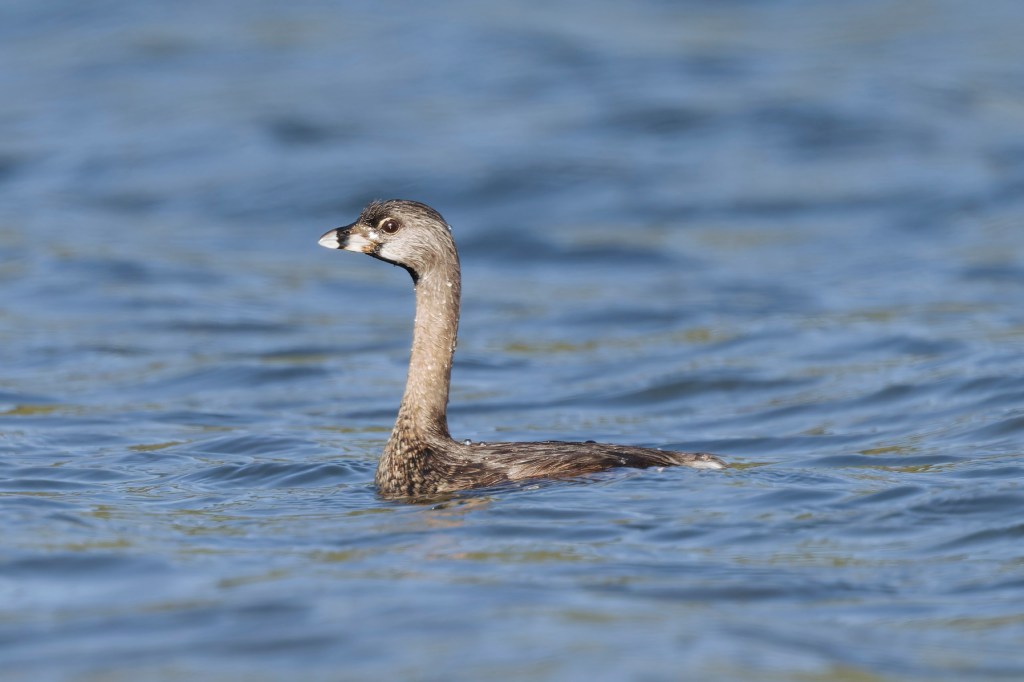
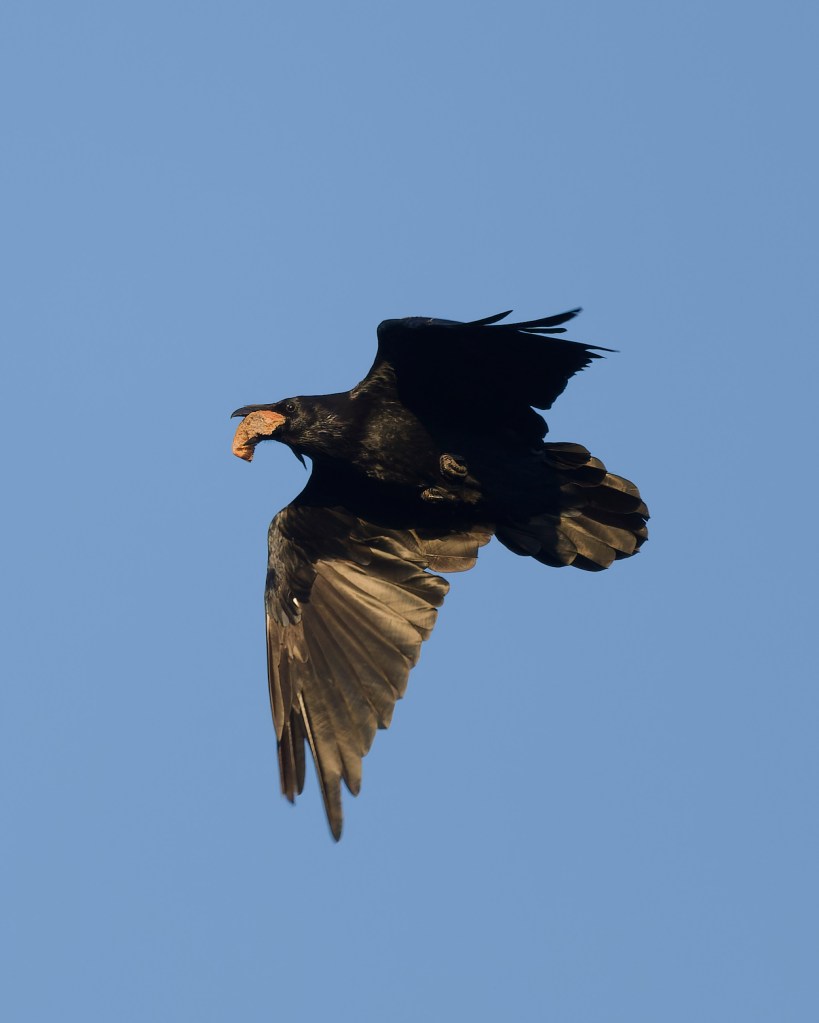
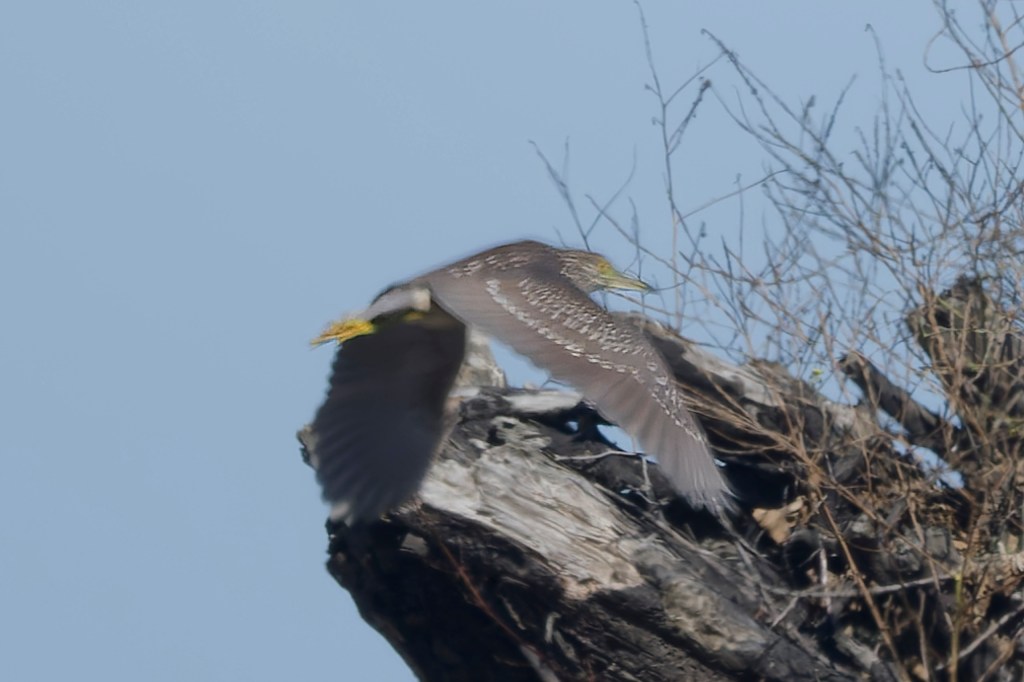
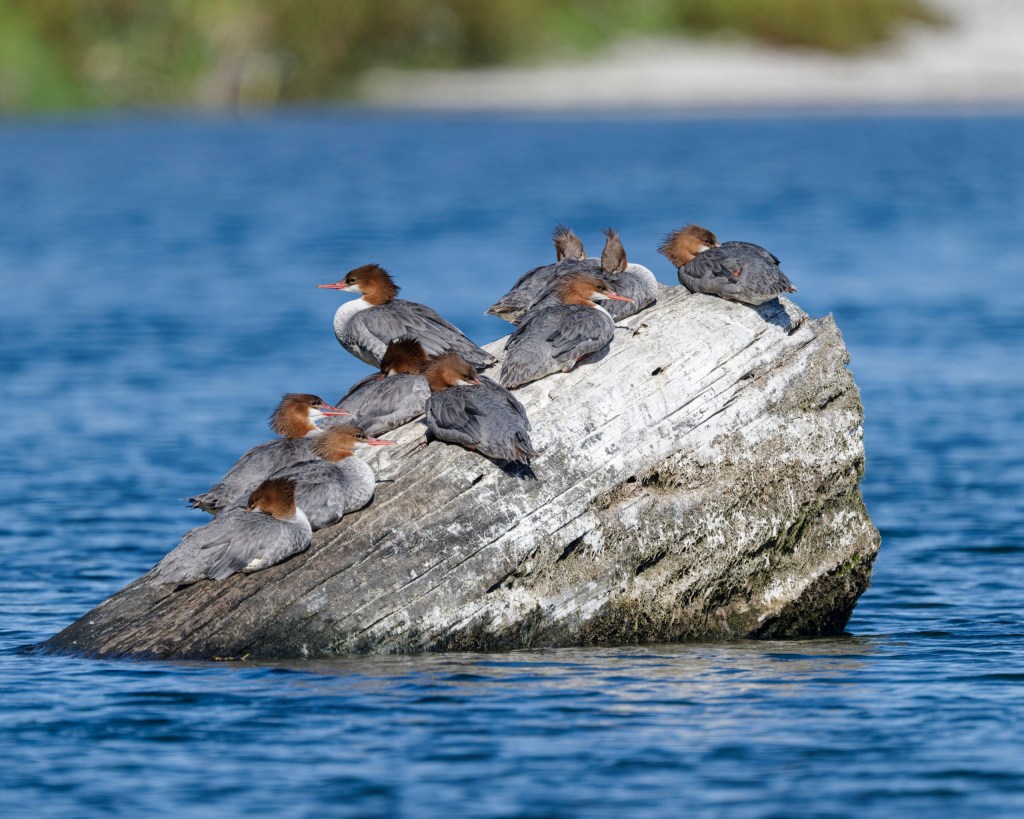
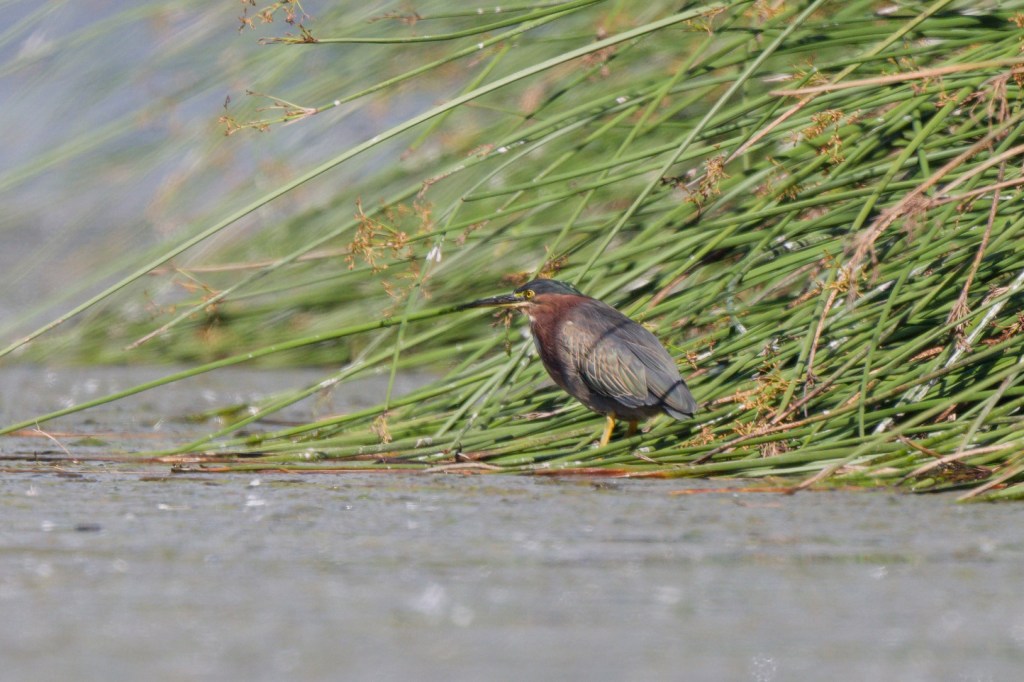
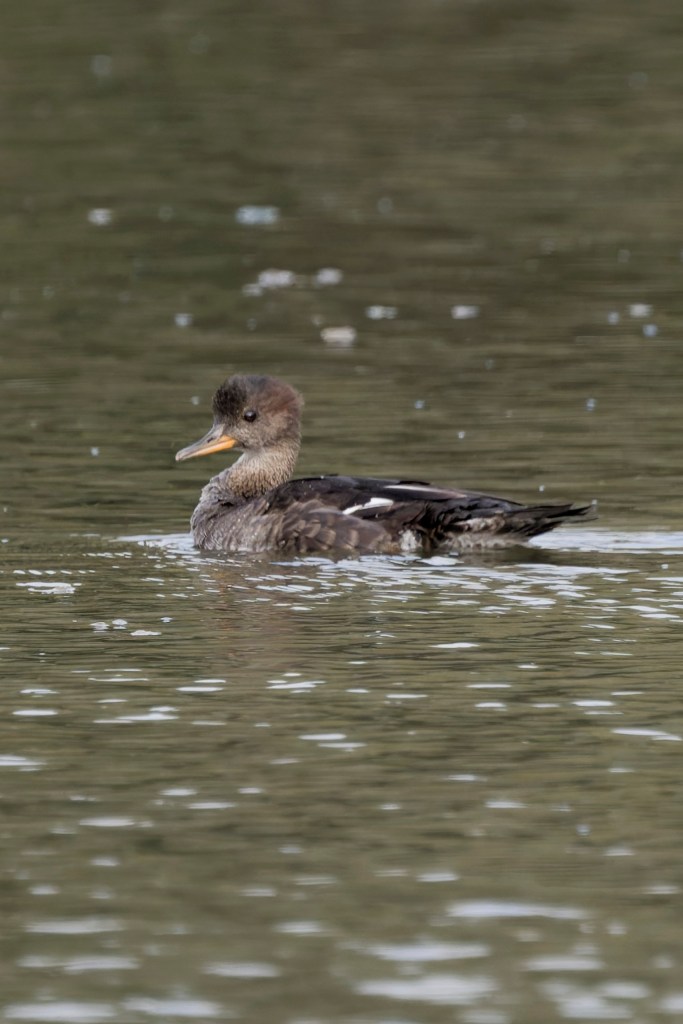
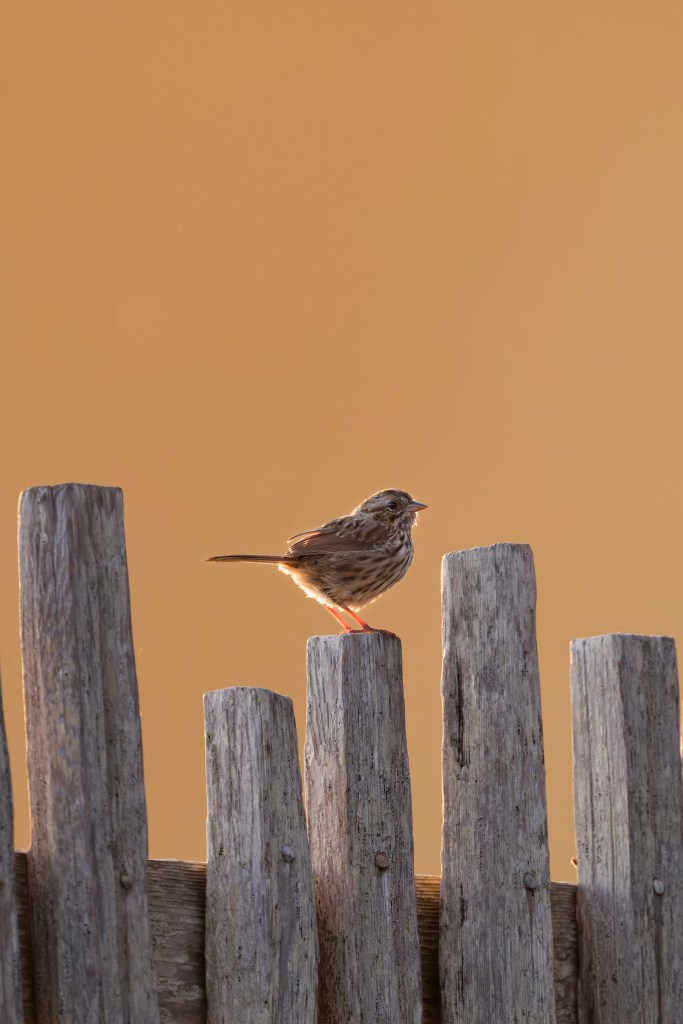
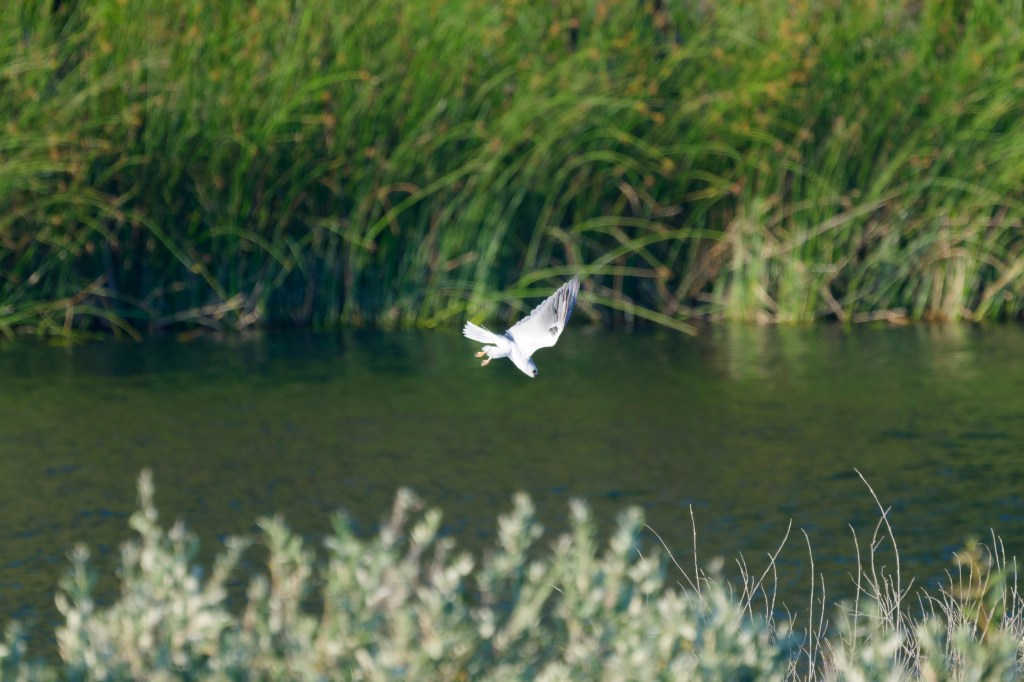
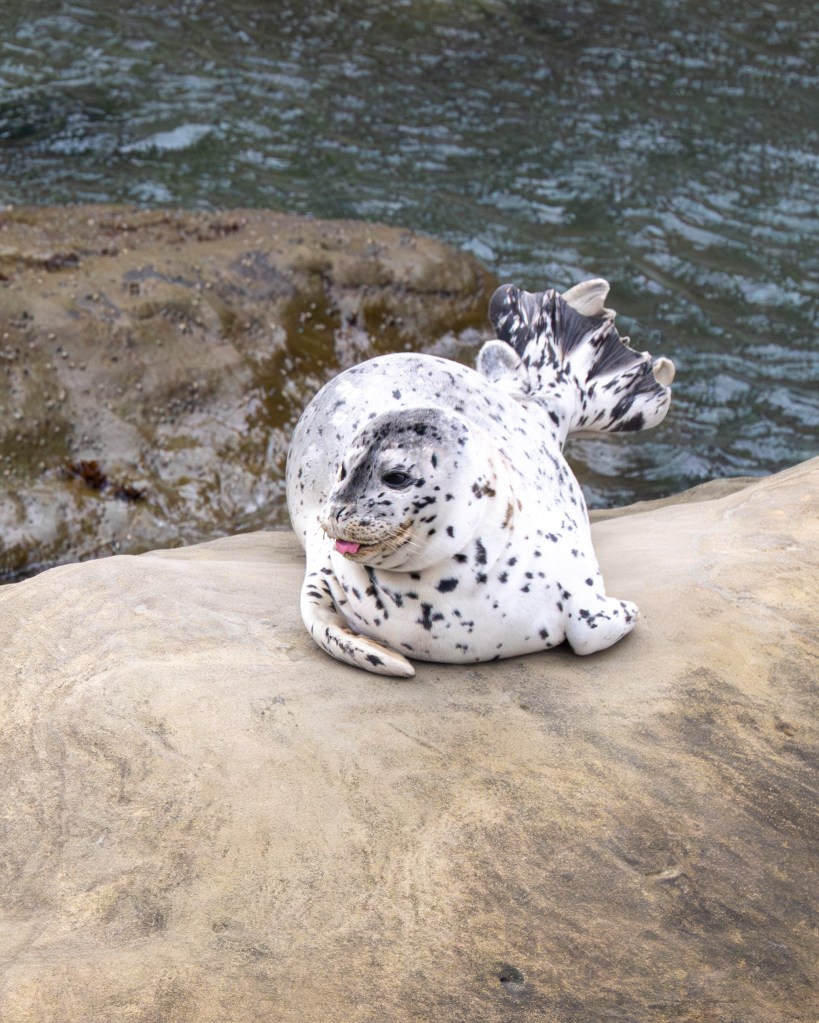
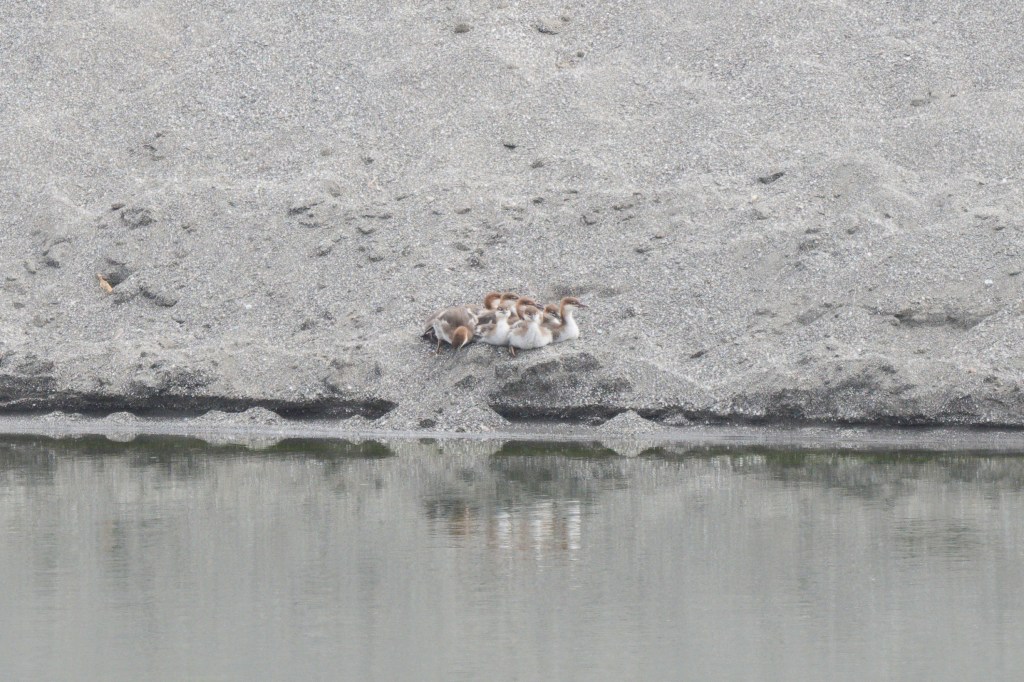
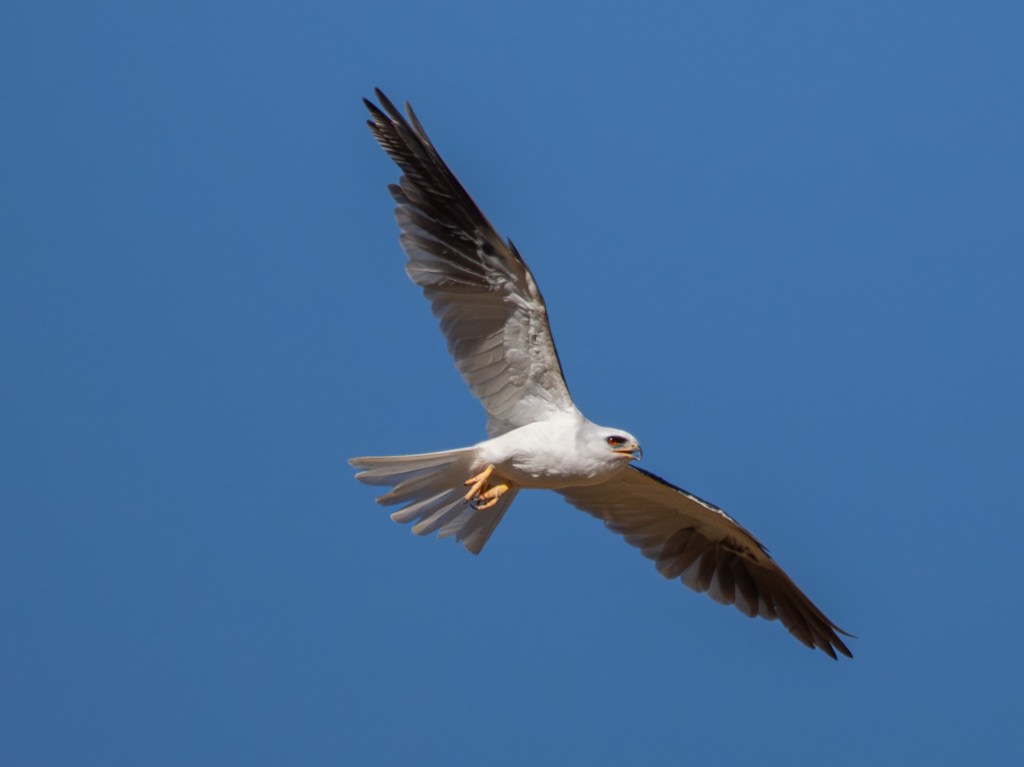
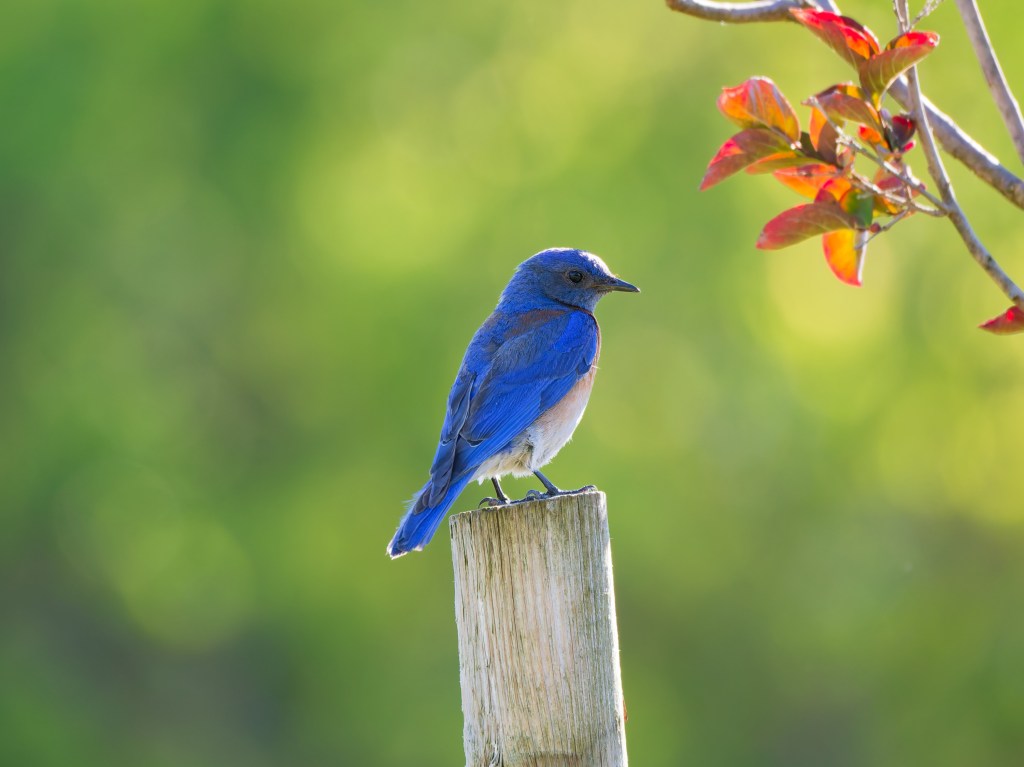
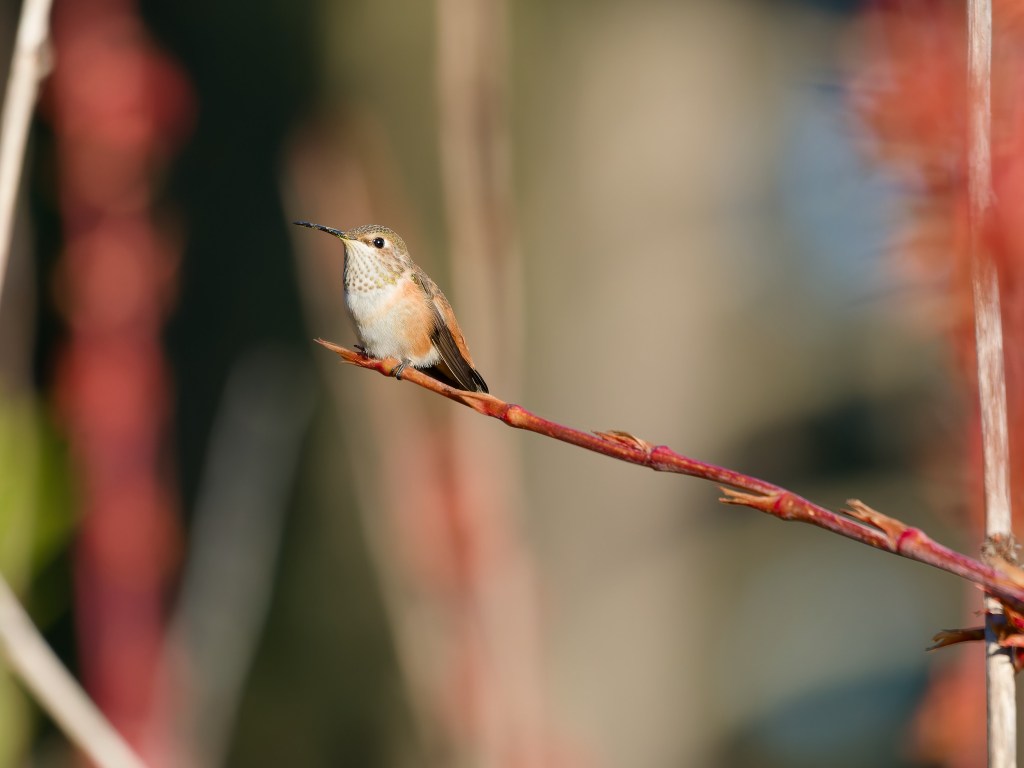
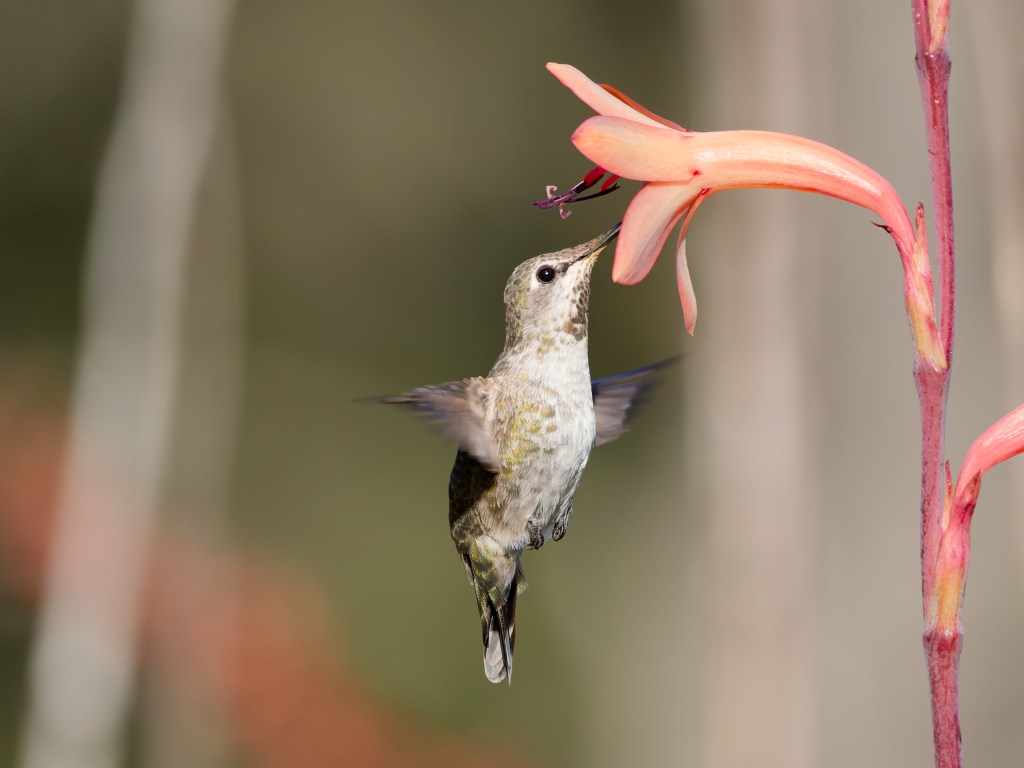
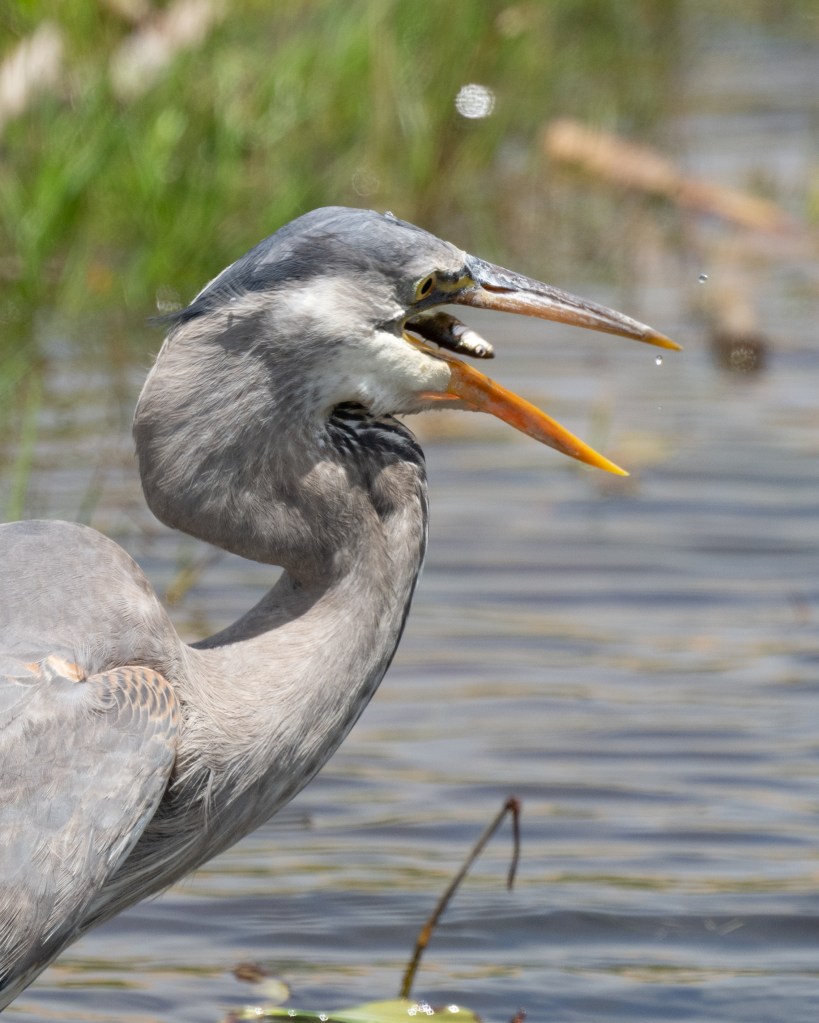
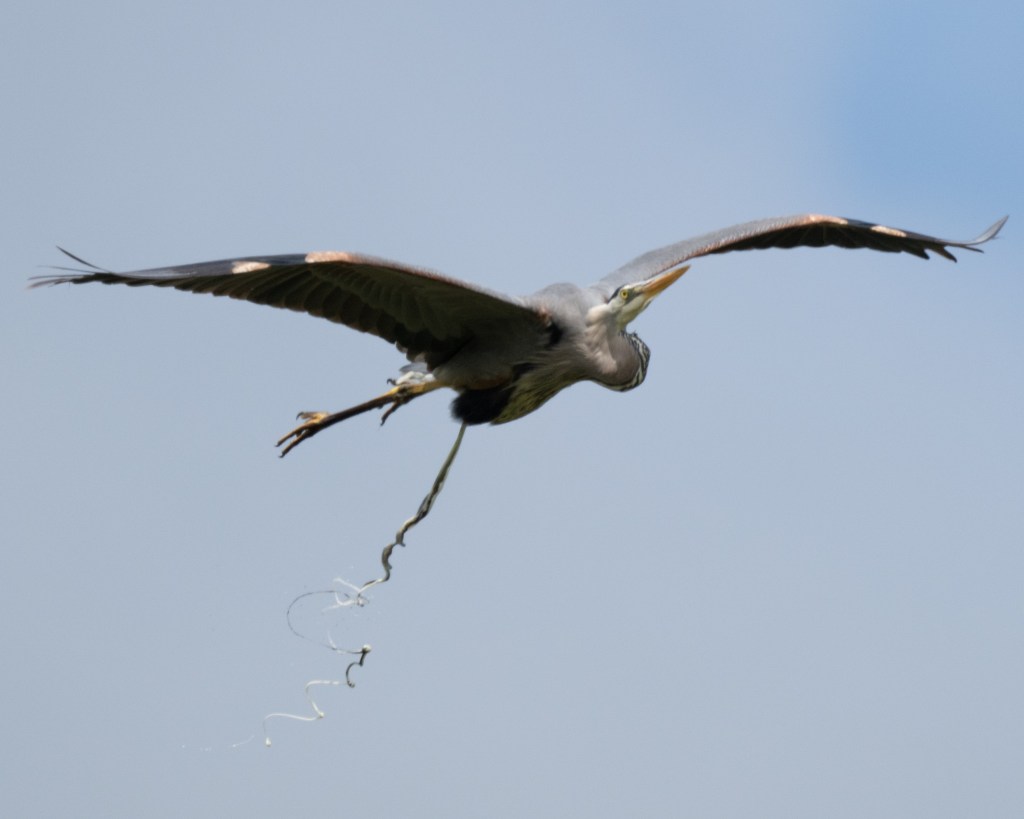
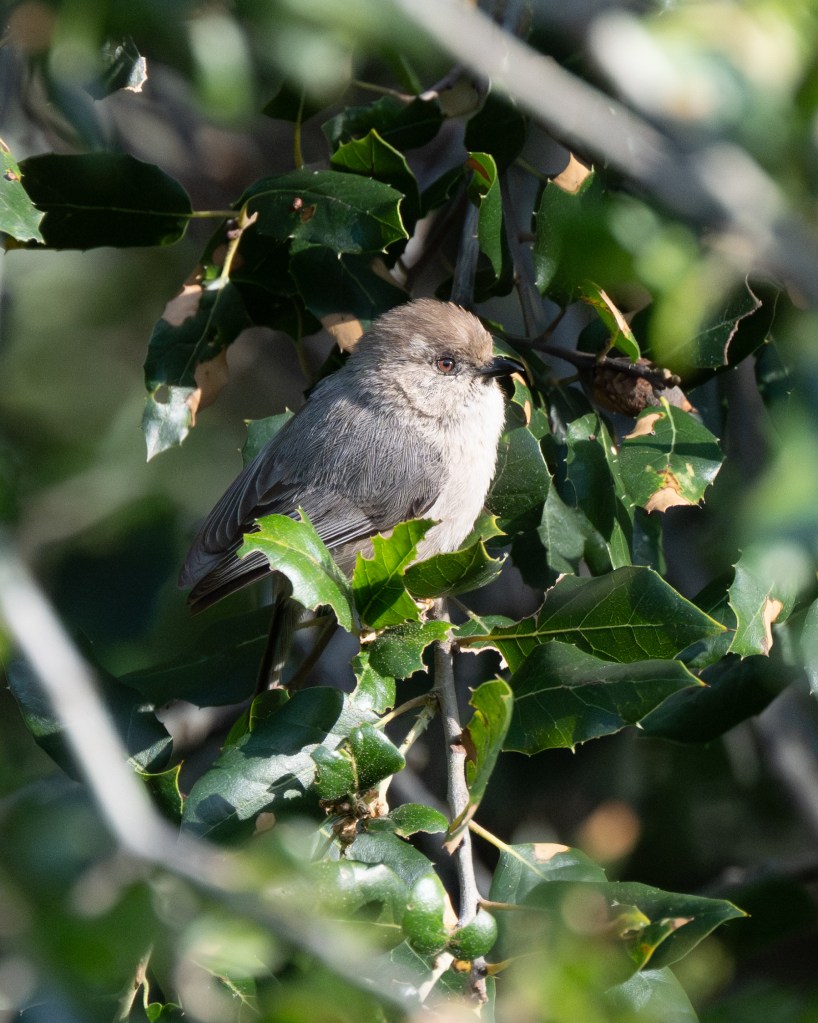
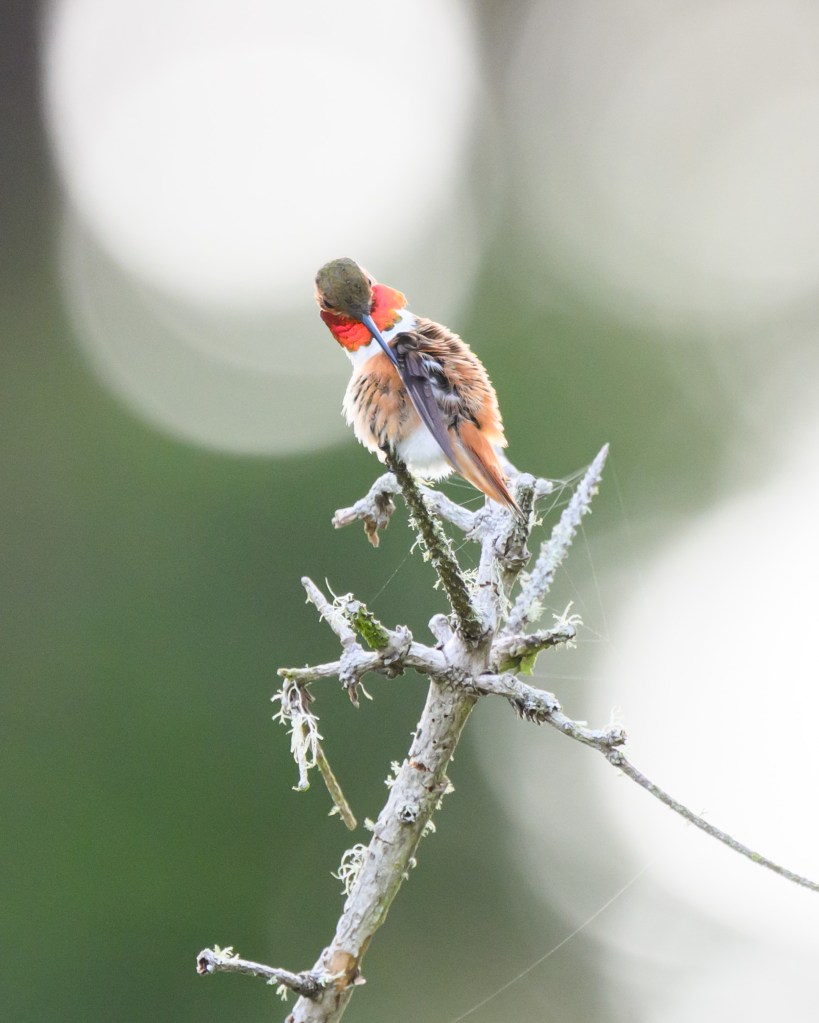
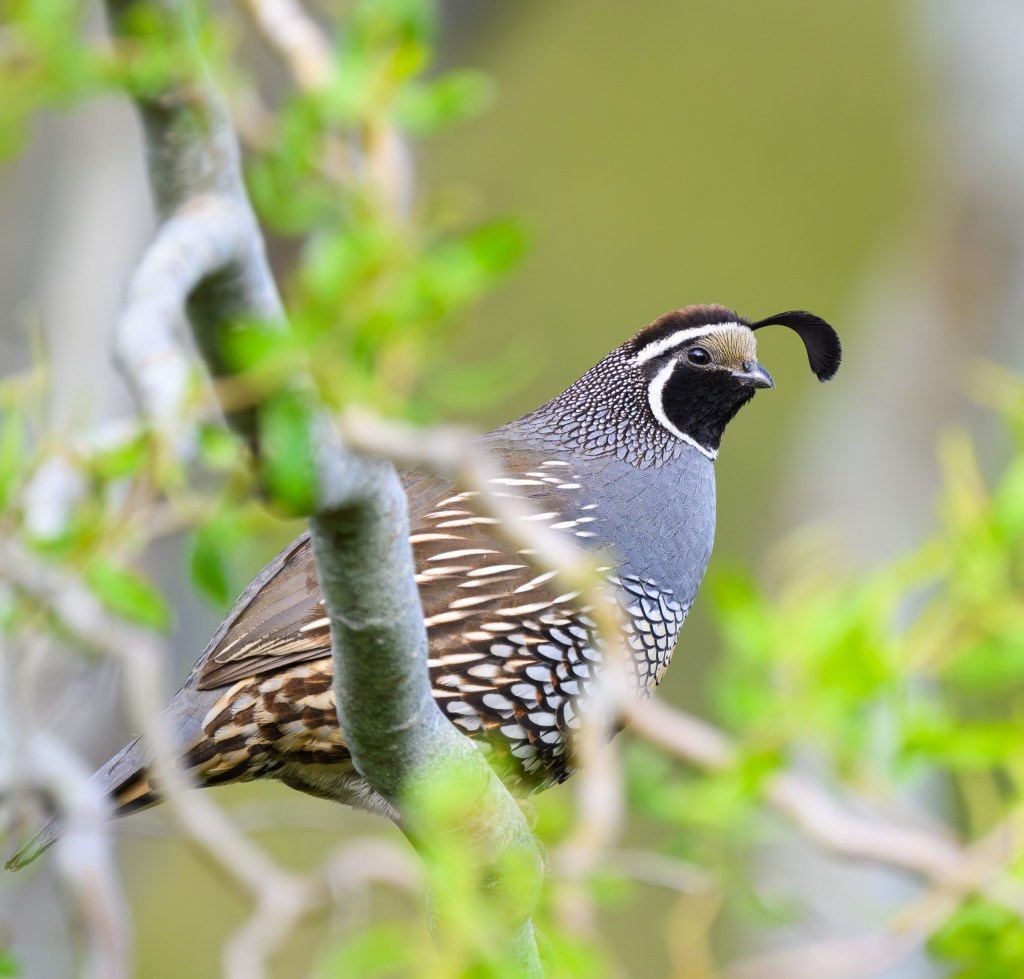
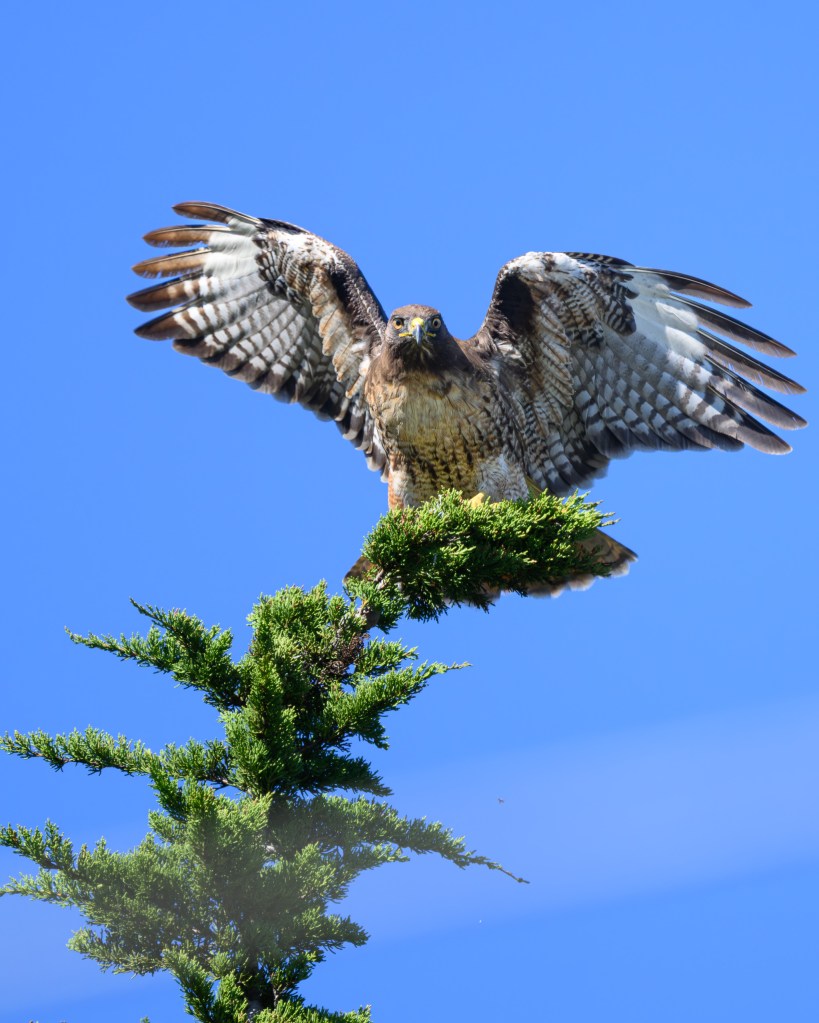
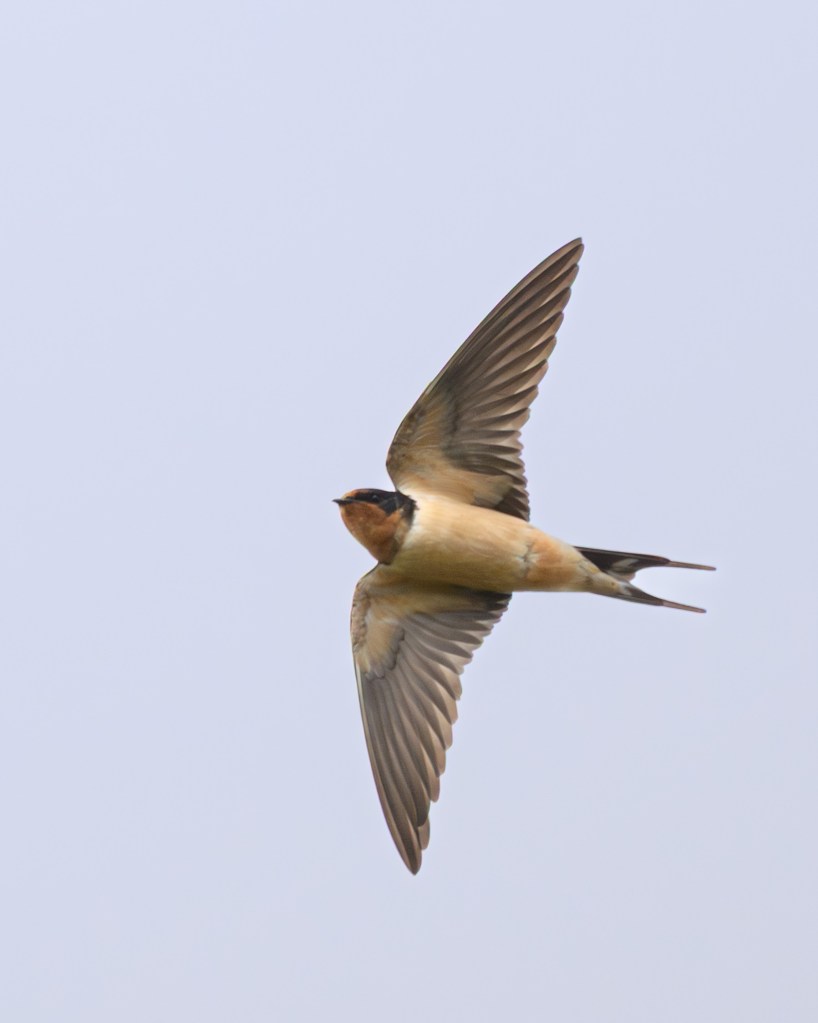
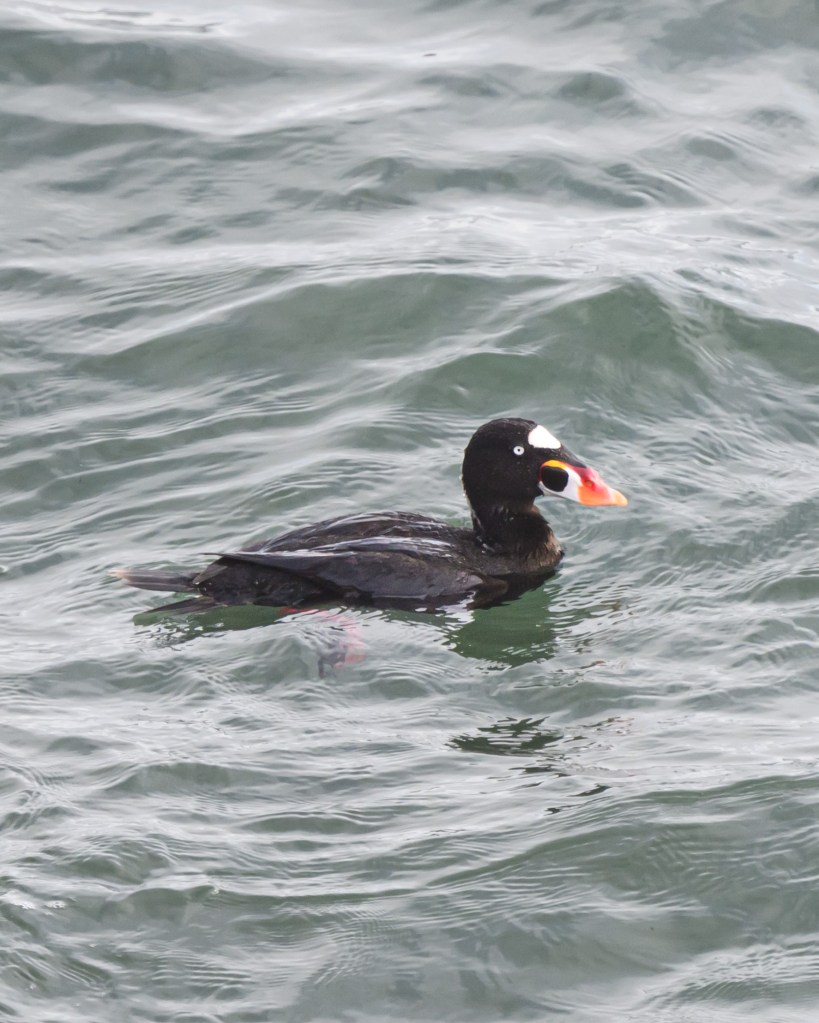
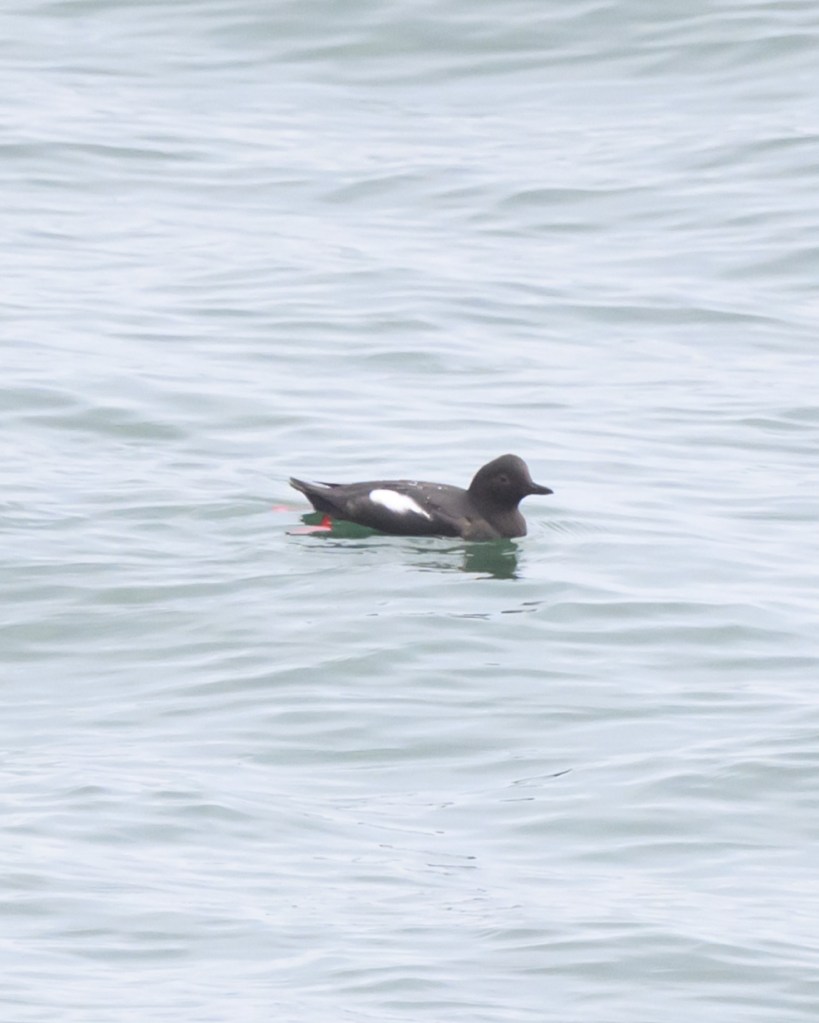
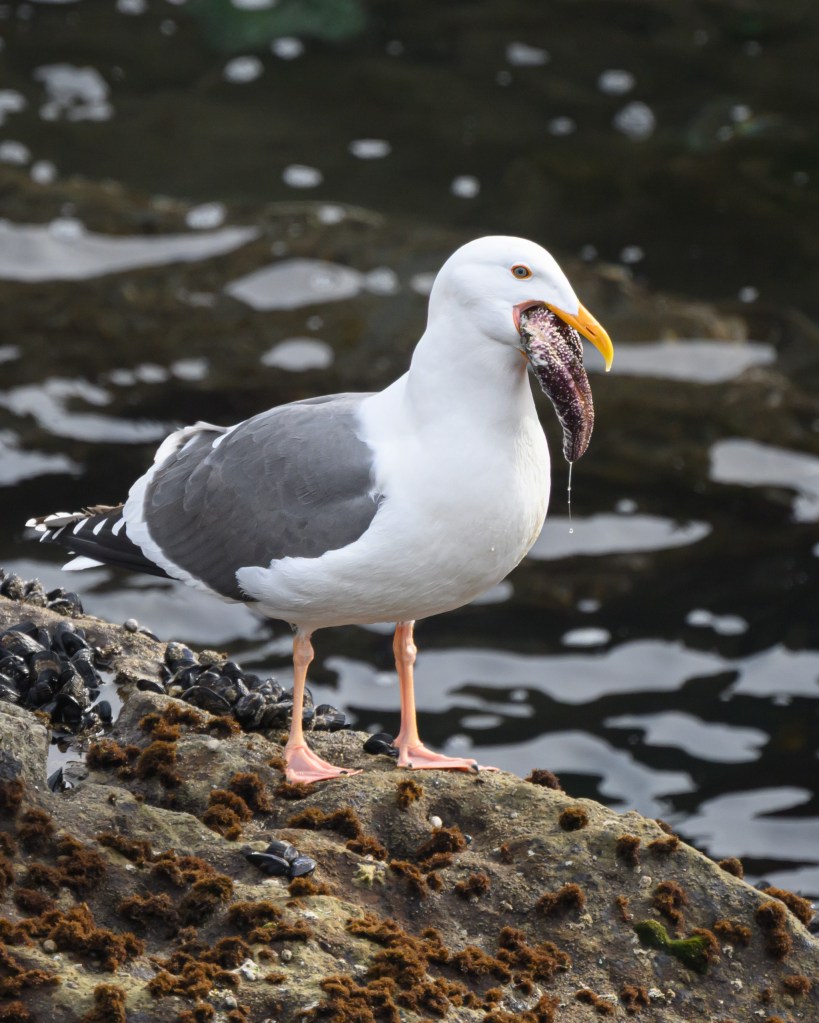
The only view I got of the 3 river otters where I came around a corner and scared each otherOne of the closest encounters with Pied-billed GrebeStop feeding the ravensGreat Blue Heron – first time seeing one at Kayak LaunchMergansers CHILLING Virginia Rail – buttSora !Green Heron at kayak launchImmature (?) red-necked phalaropeImmature Hooded MerganserThe eyes
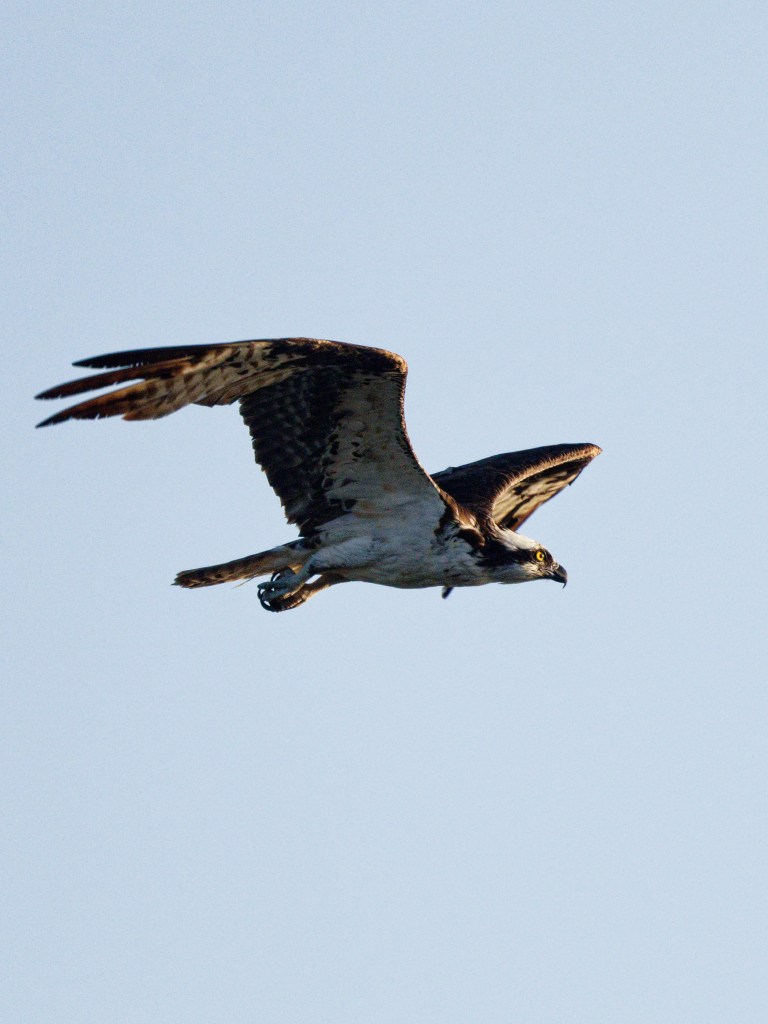
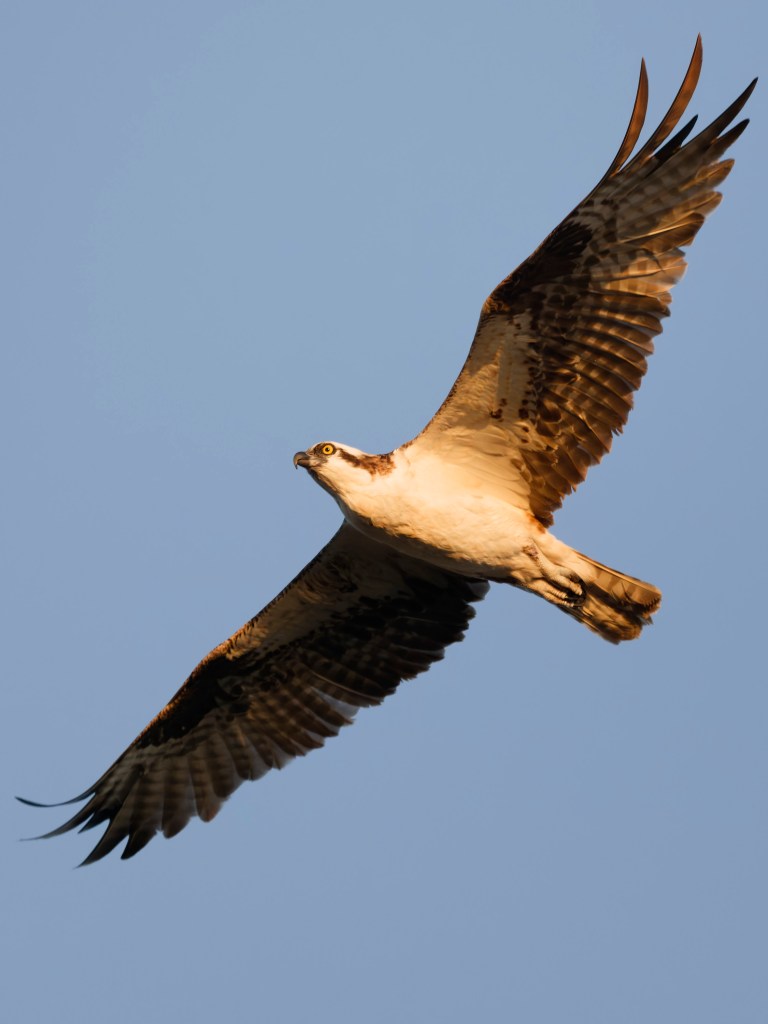
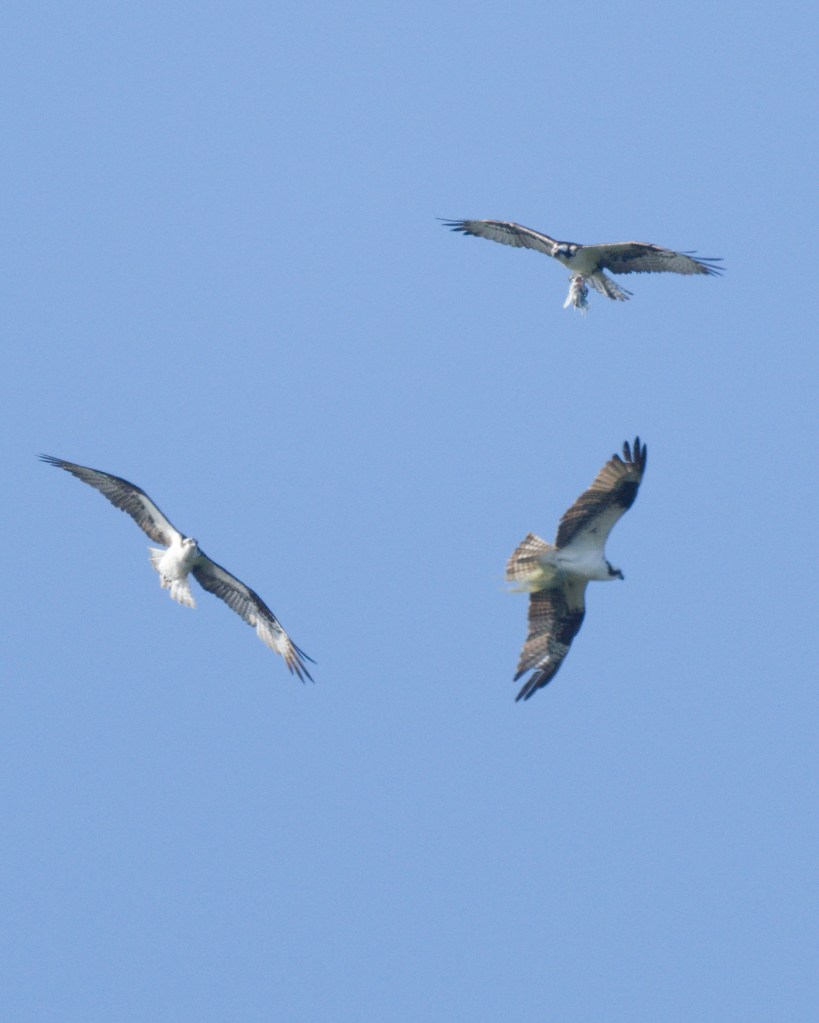
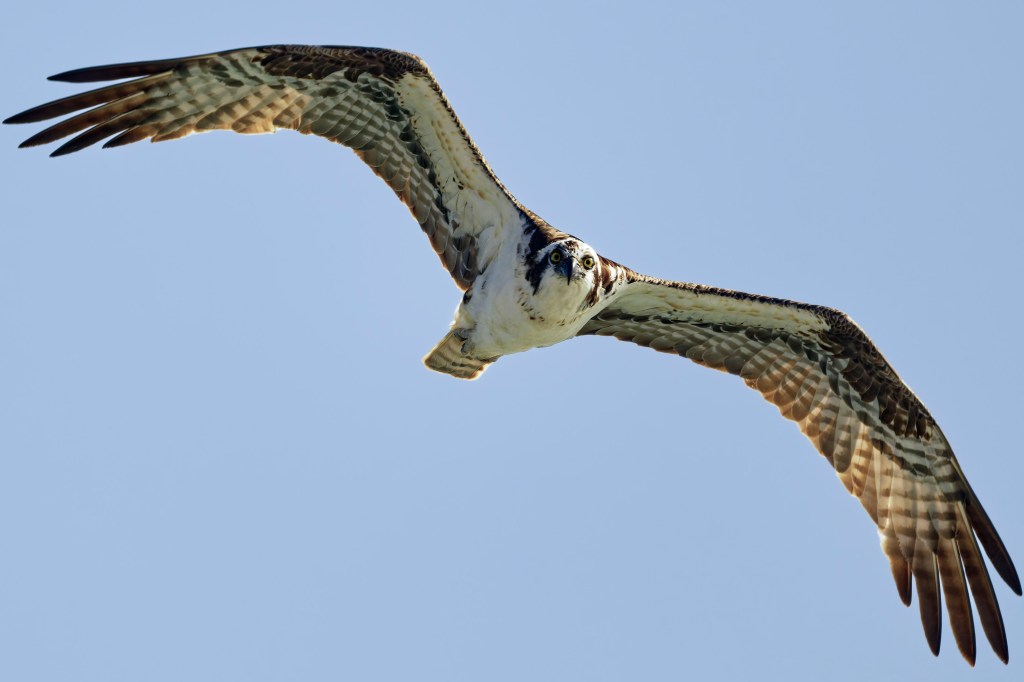
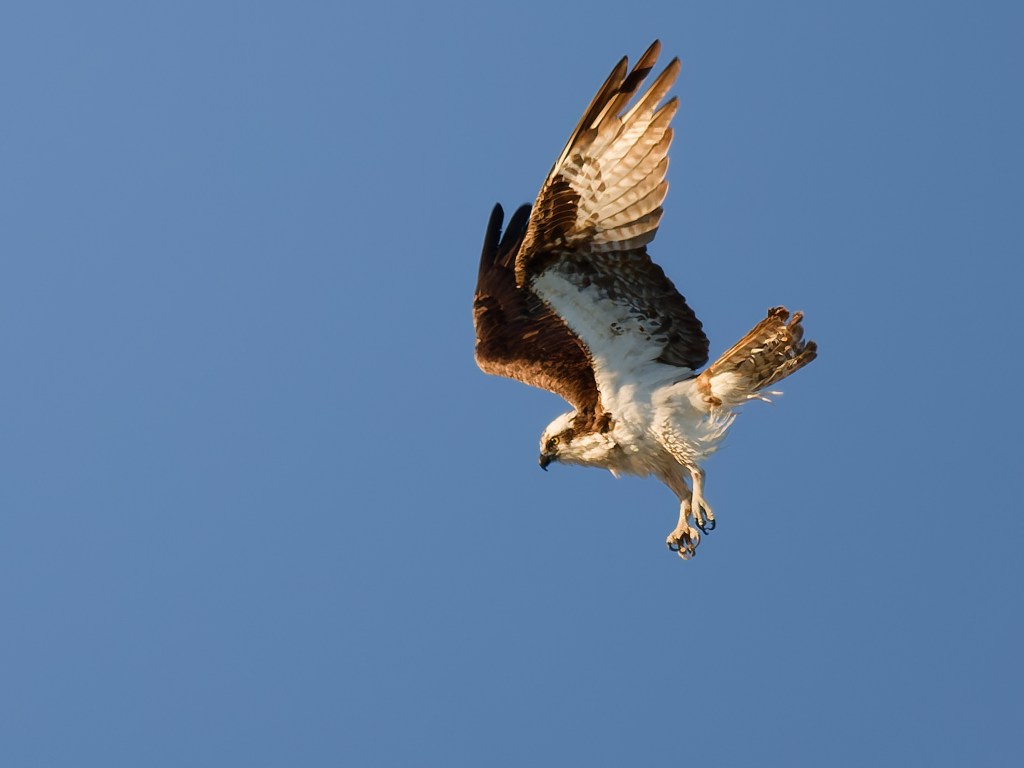
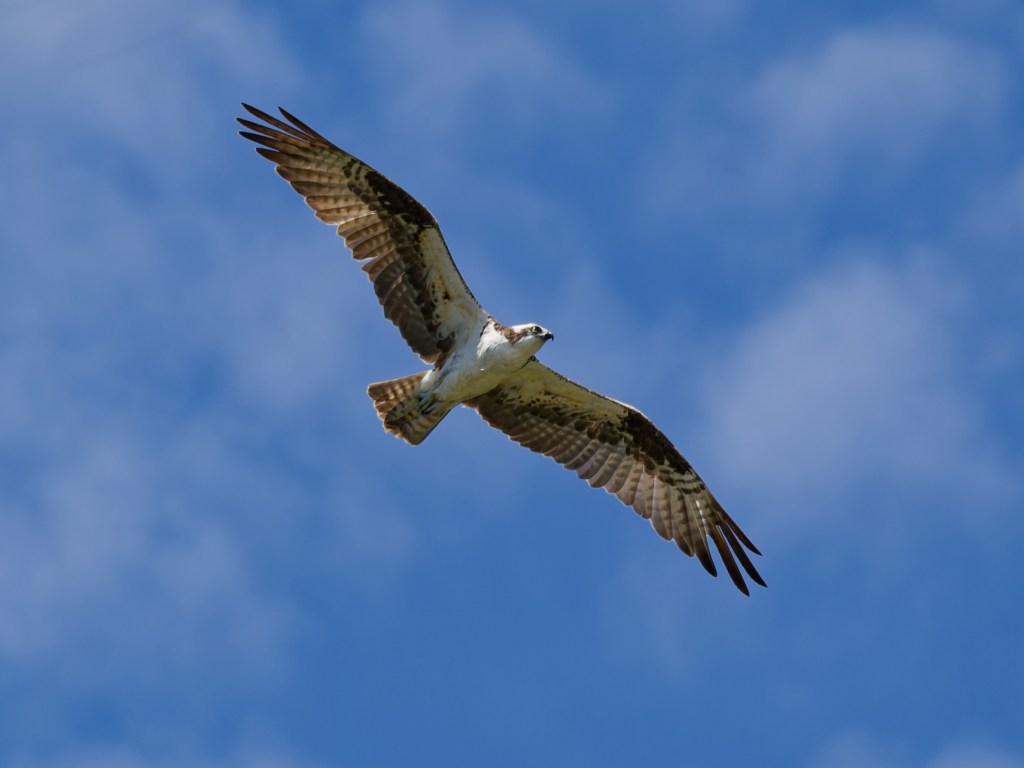
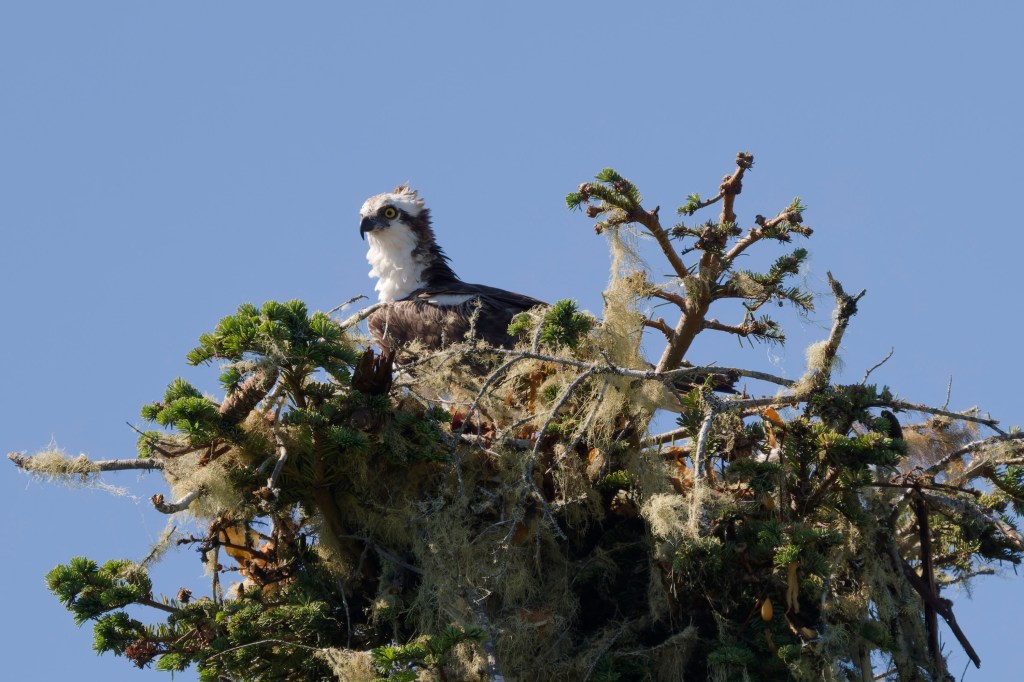
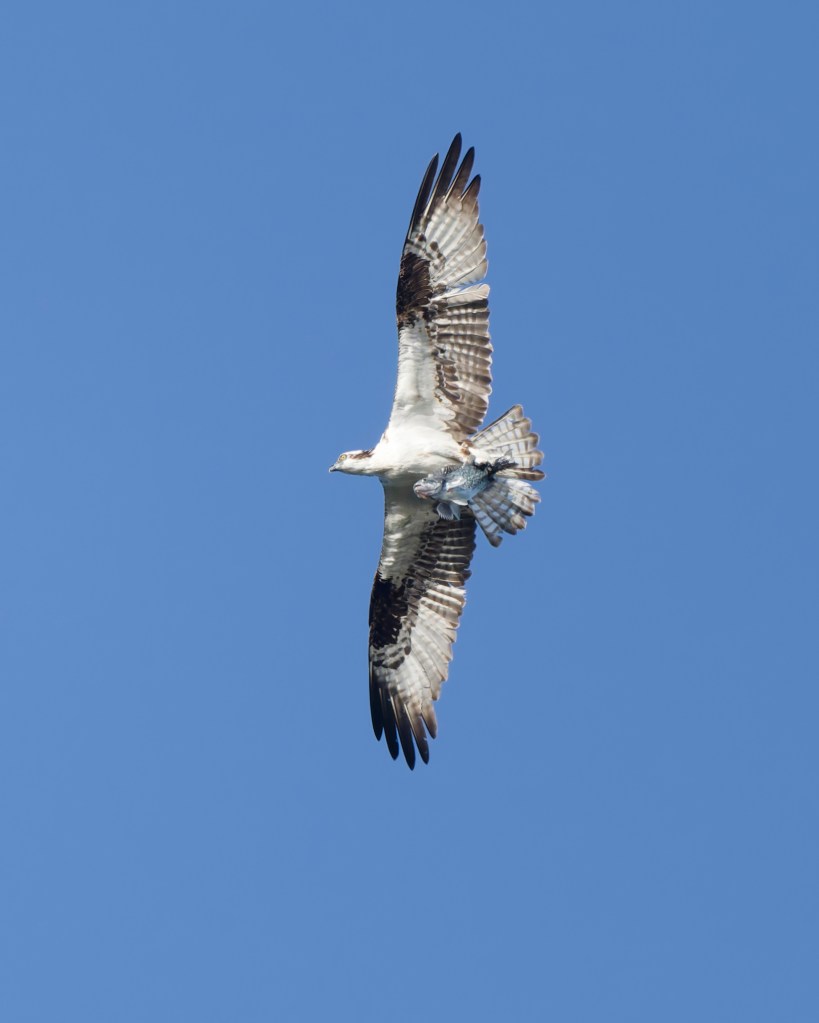
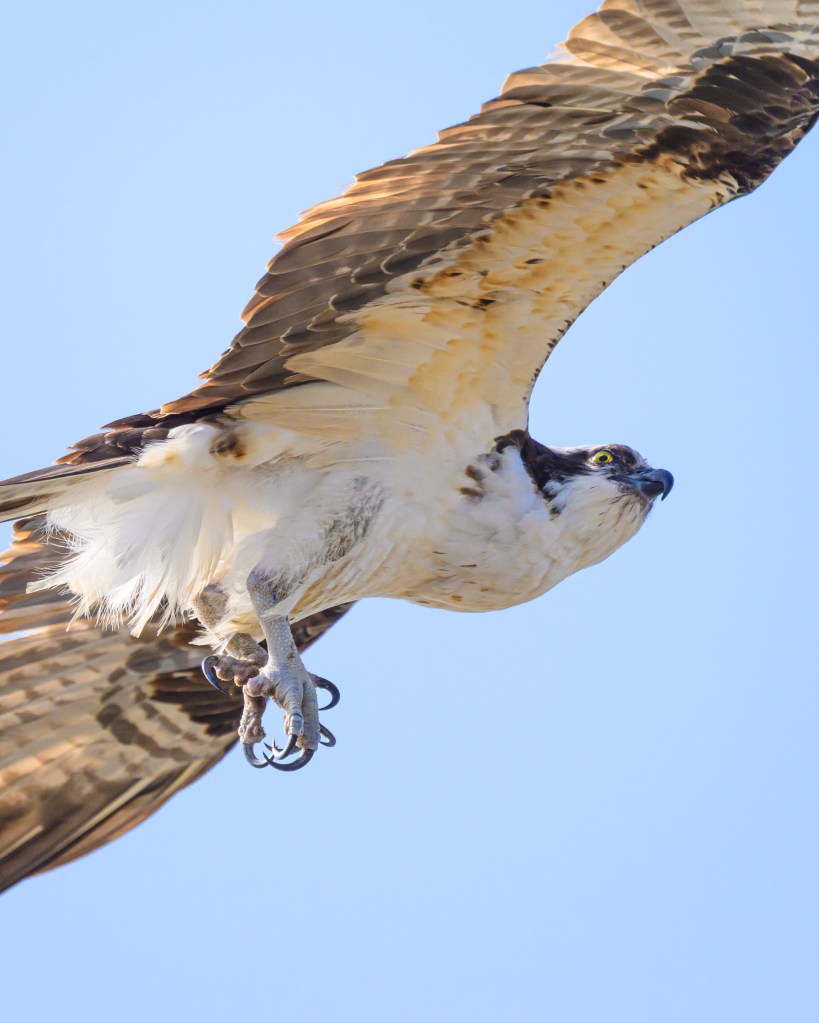
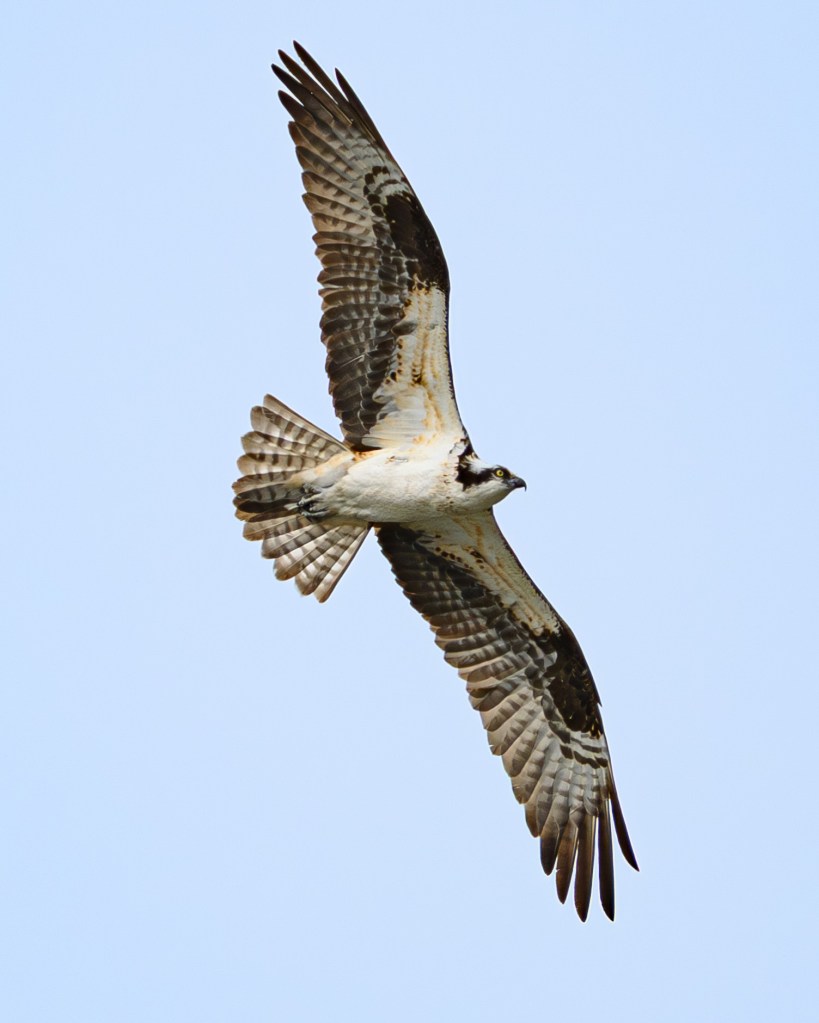
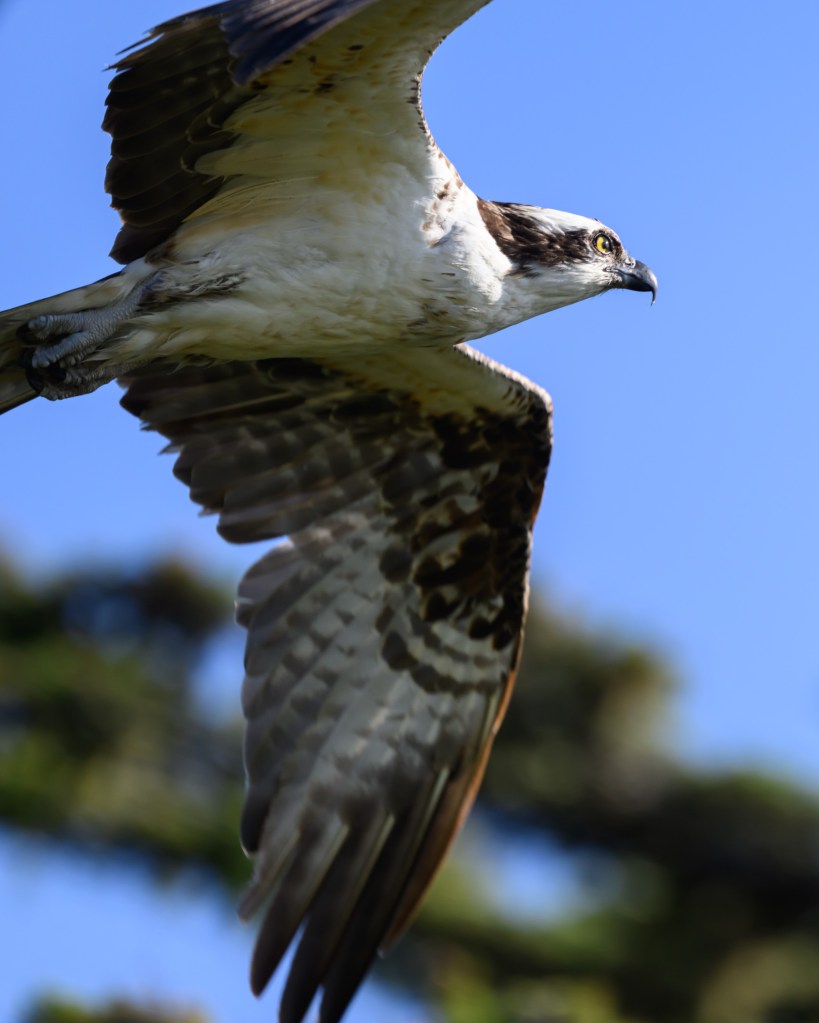
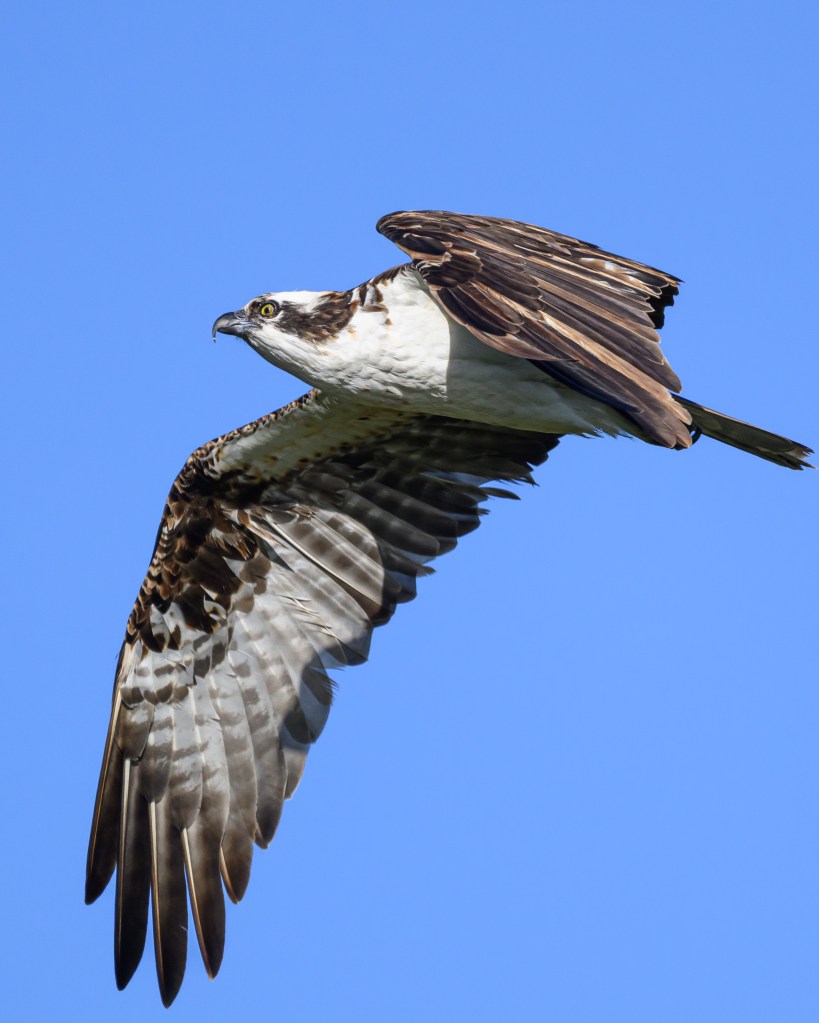
The Osprey have been bonkers around town the last month; the adults and juveniles are screaming and eating all day.
This post will be short, but lots of photos of Osprey will follow.
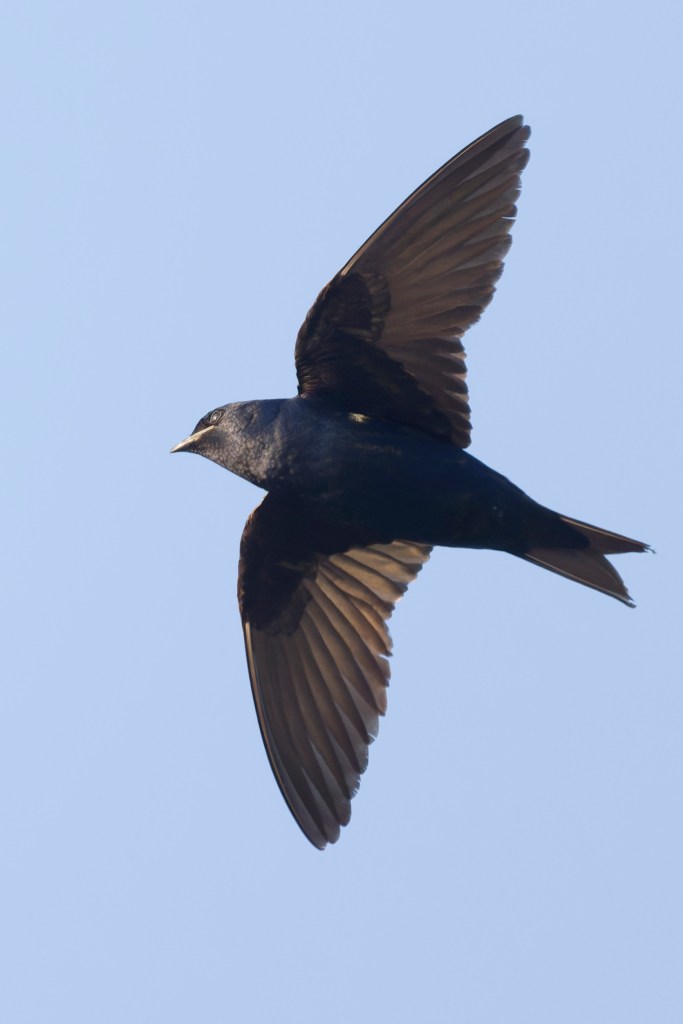
202 – The bitch Purple Martin motherducker. (I’ve heard this guy for over two years but never saw one until they decide to fly over my head for 10 minutes.)
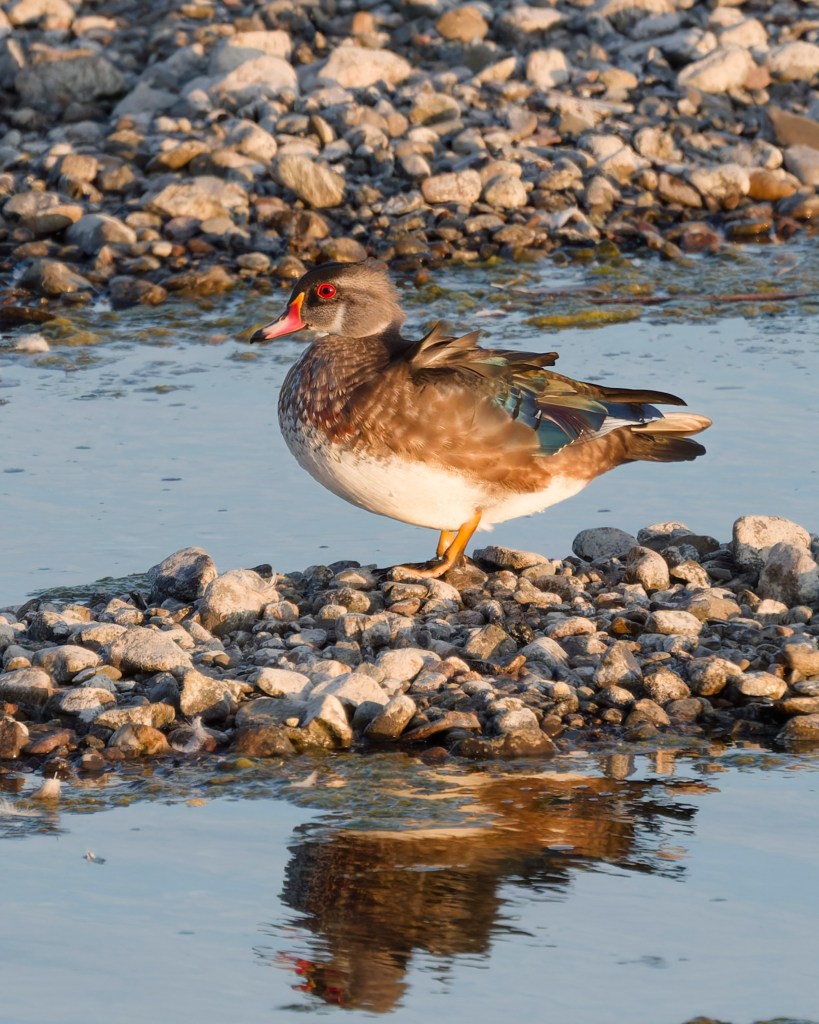
203 – Wood Duck – Of course instead of the beautiful duck, I get the male in drab escape plumage. But I’ll take him.
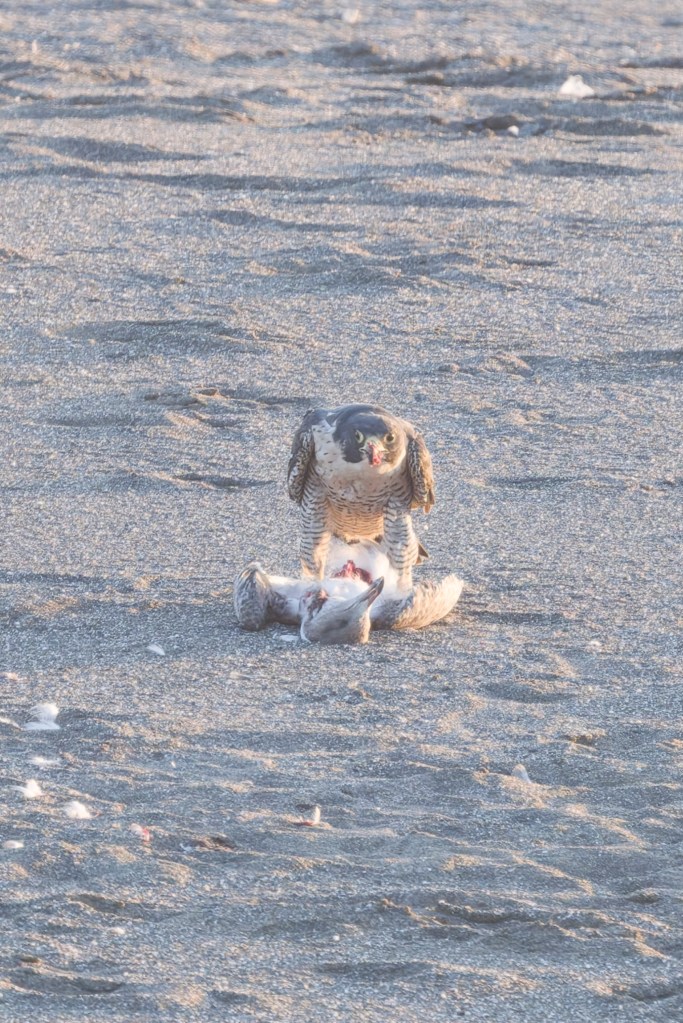
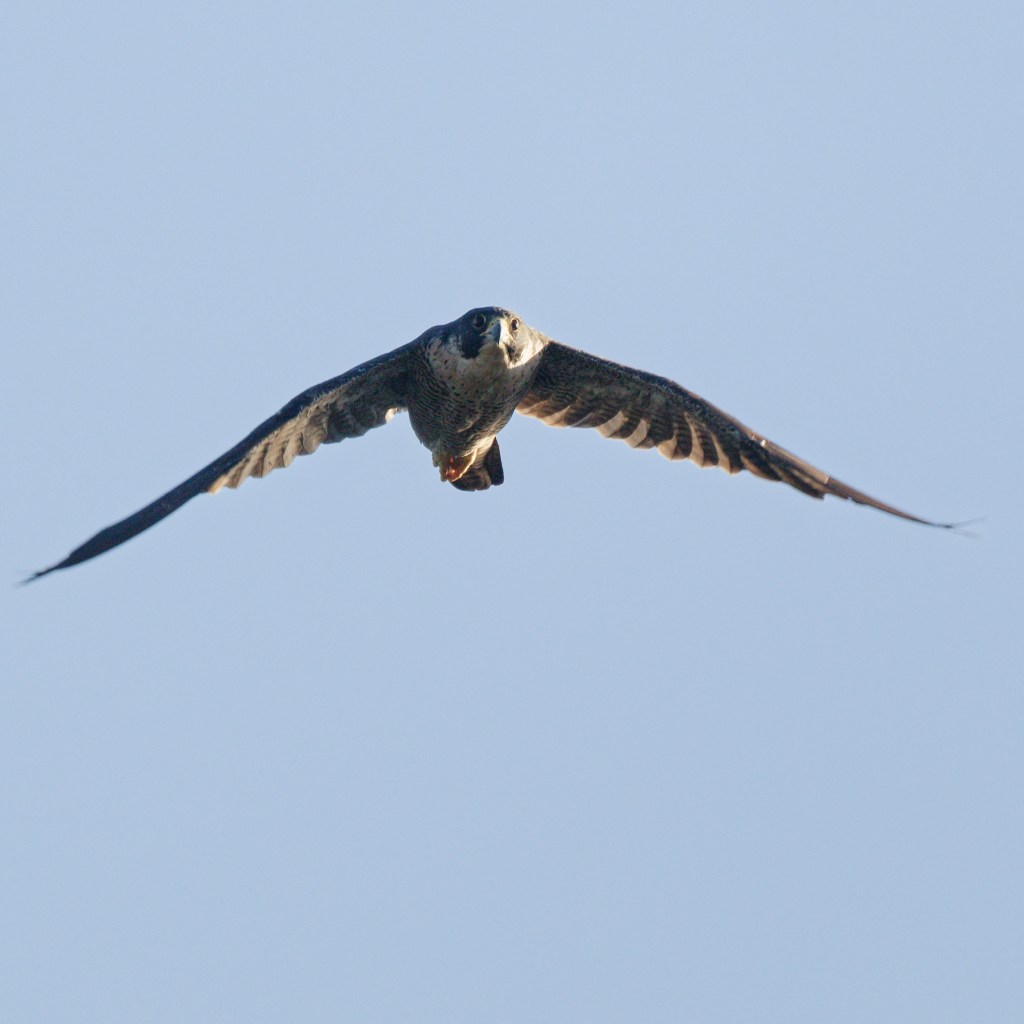
Peregrine Falcon sighting; in town and later at the water destroying a western gull.
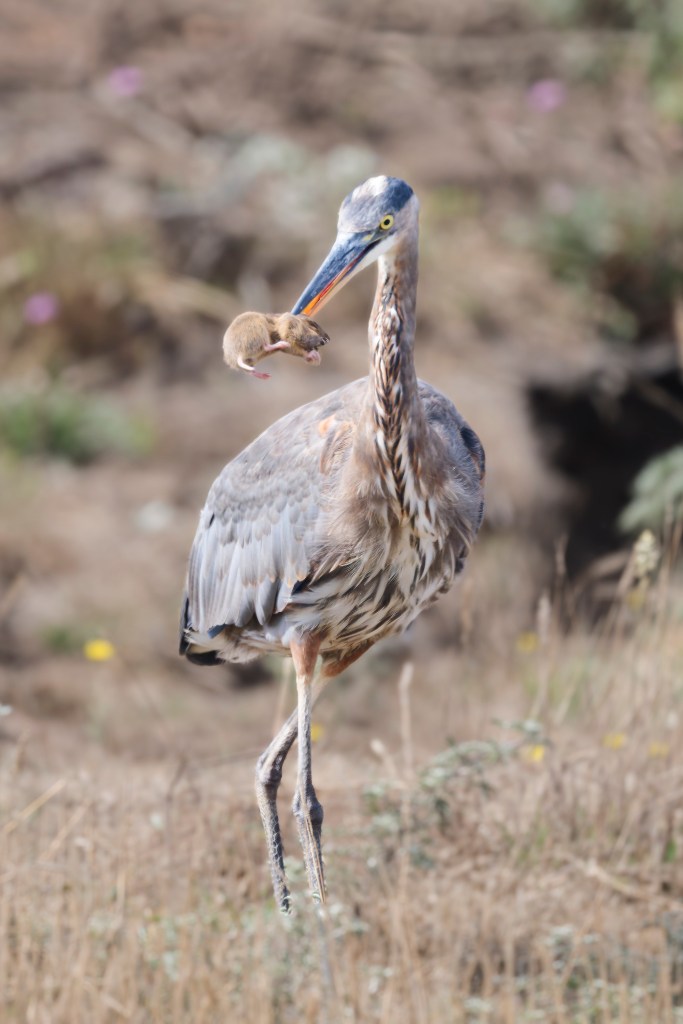
Blue Heron walking around with a vole
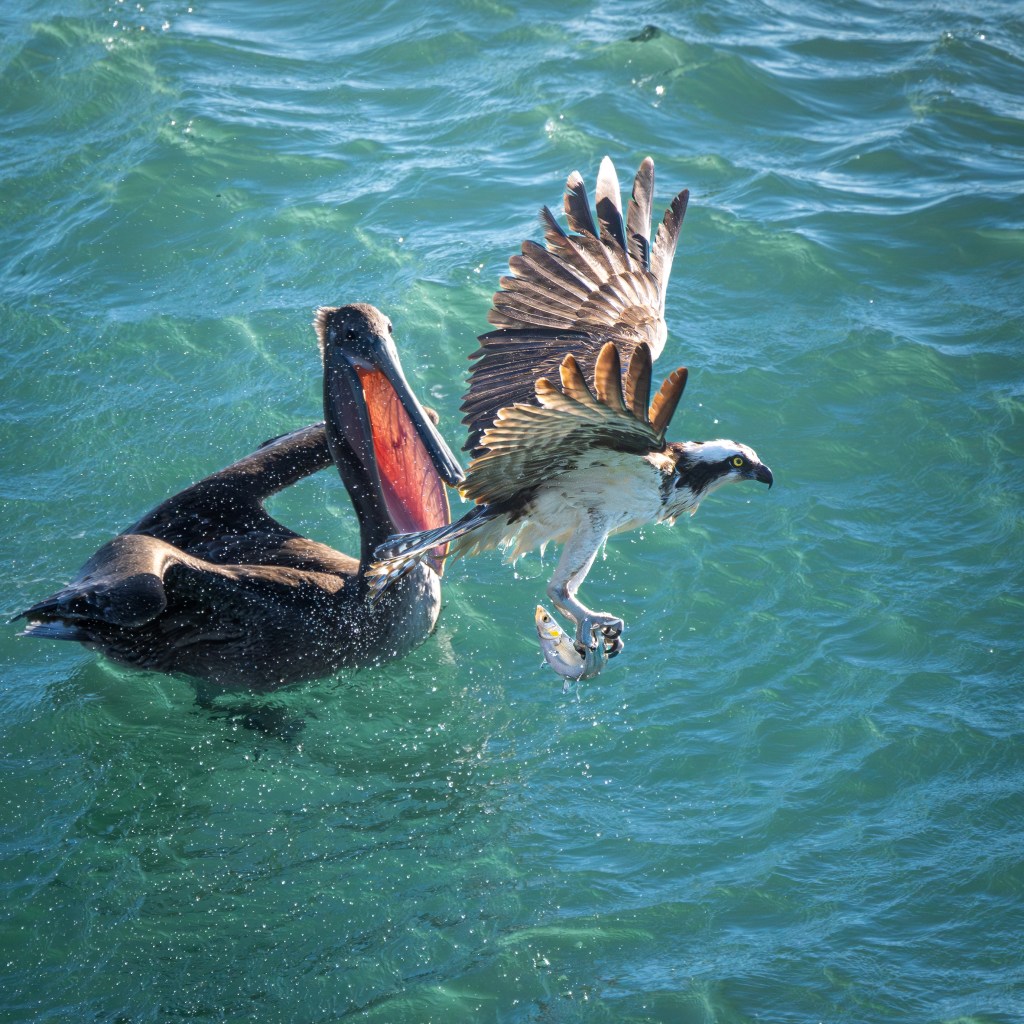
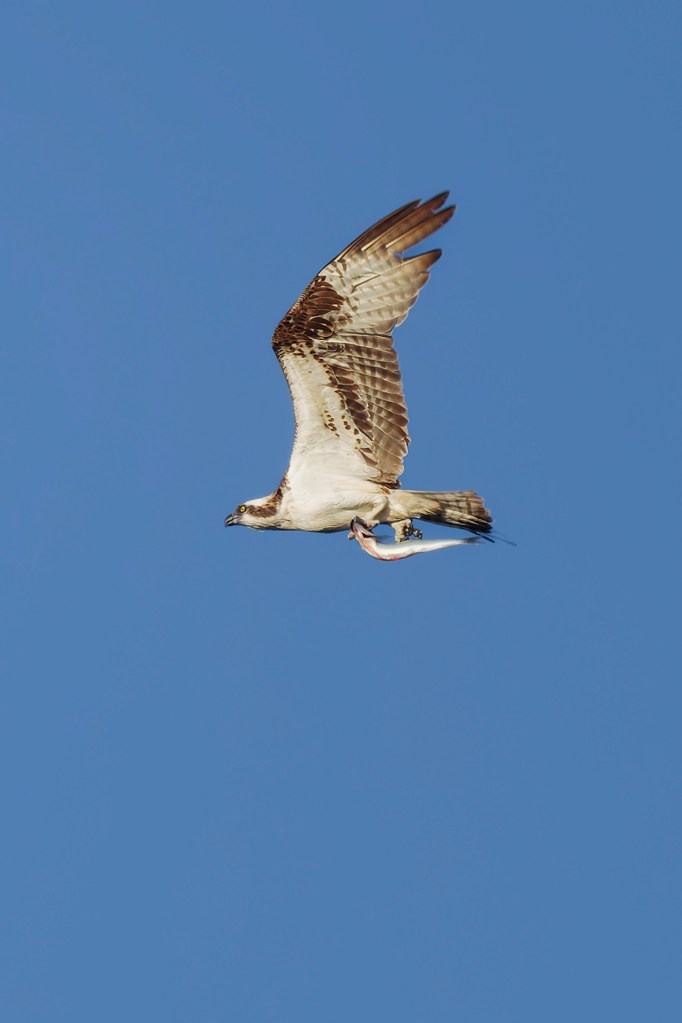
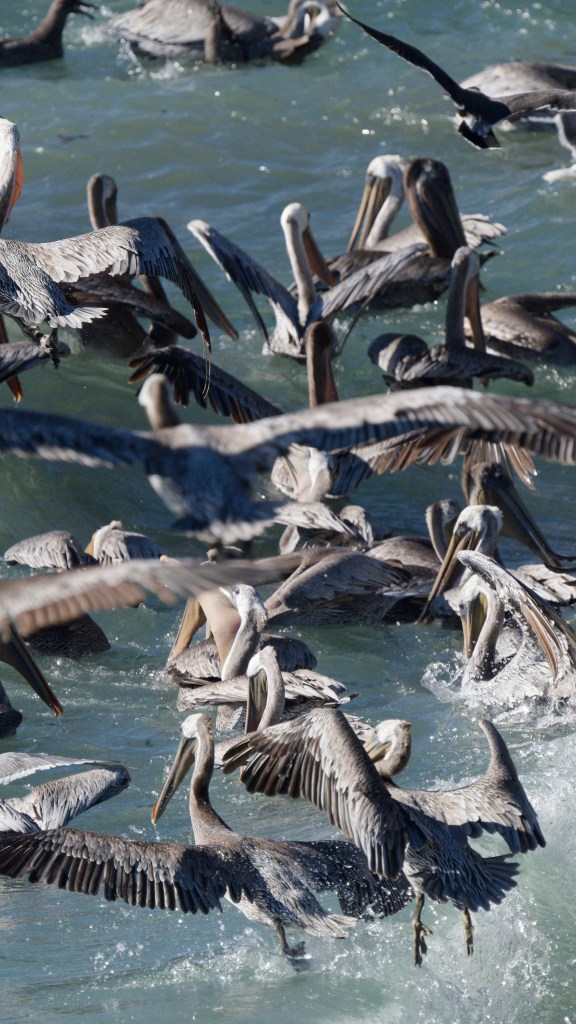
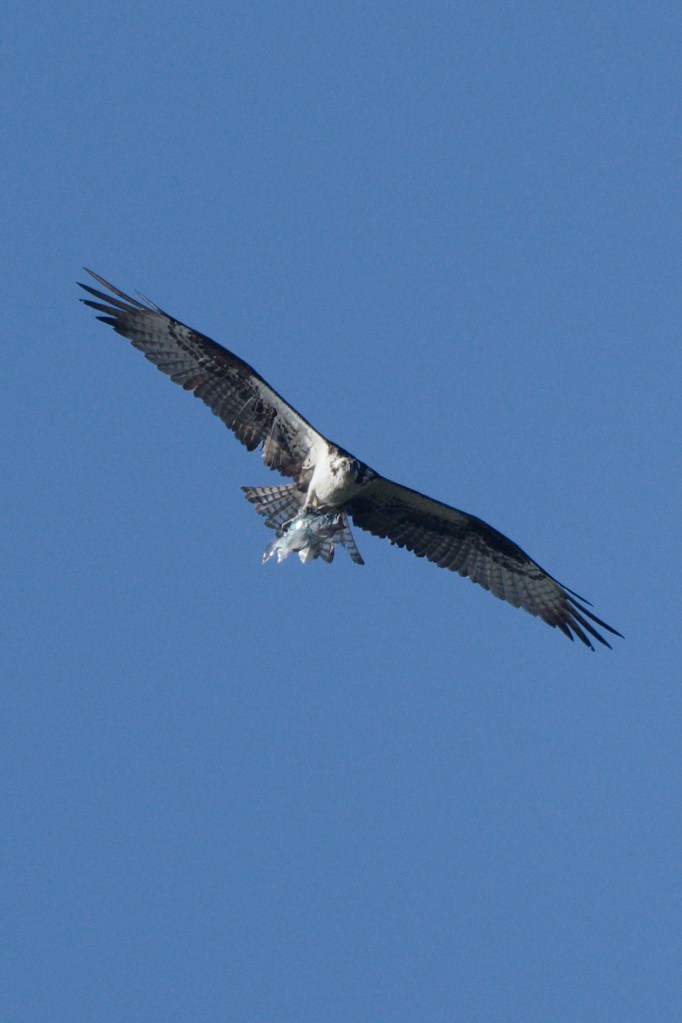
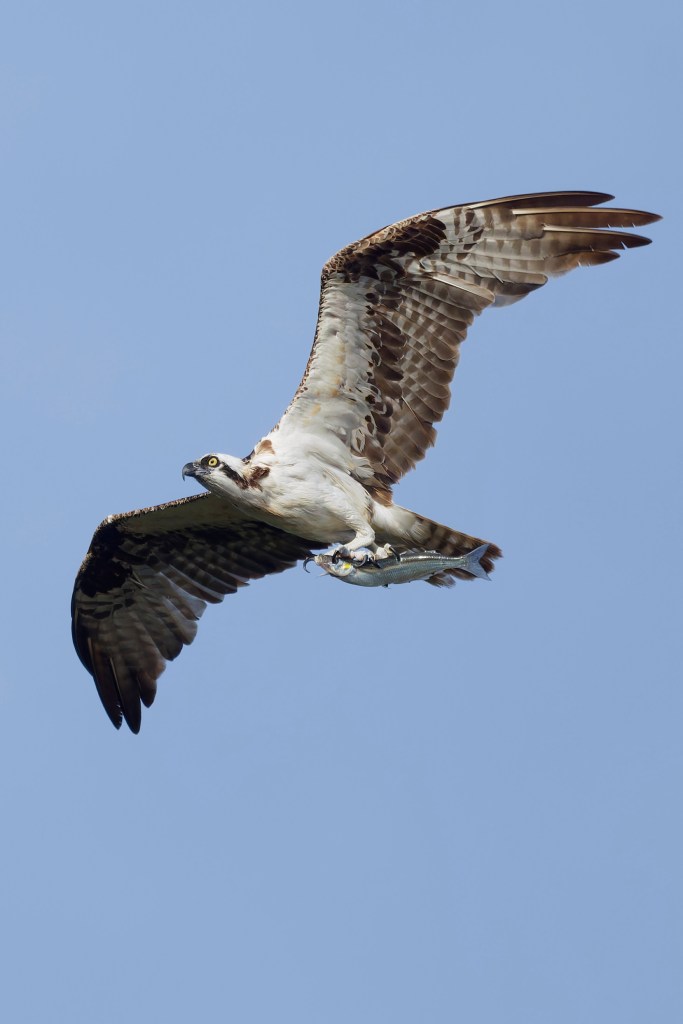
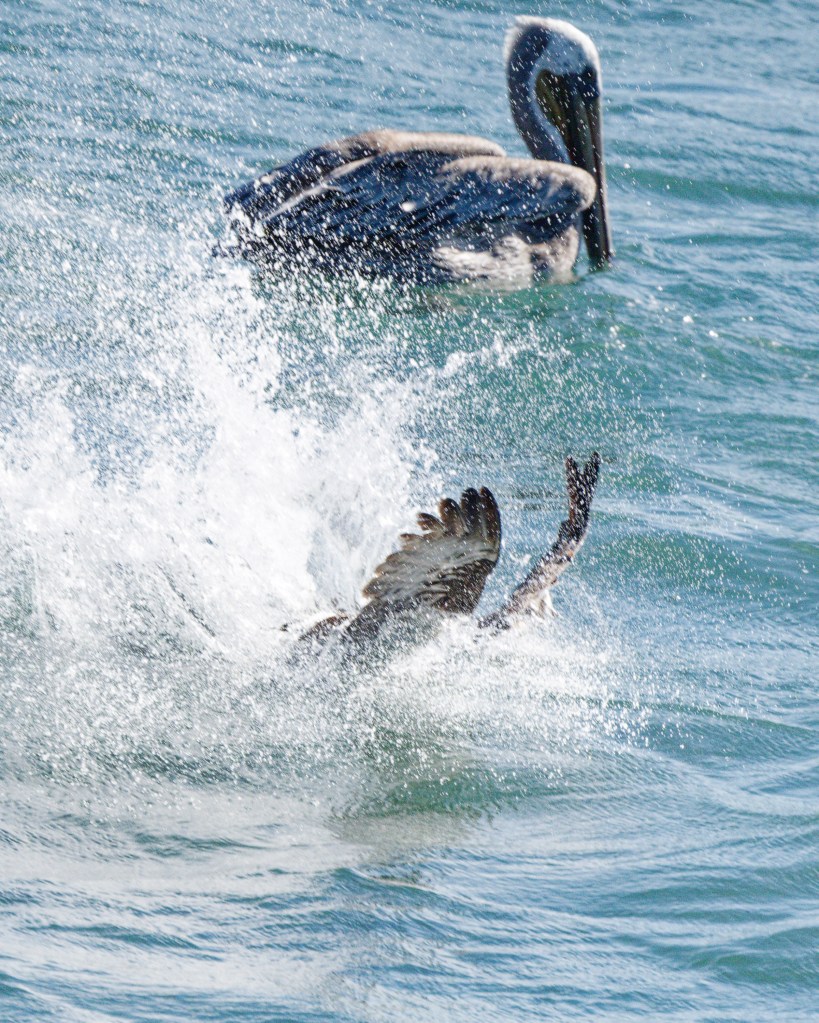
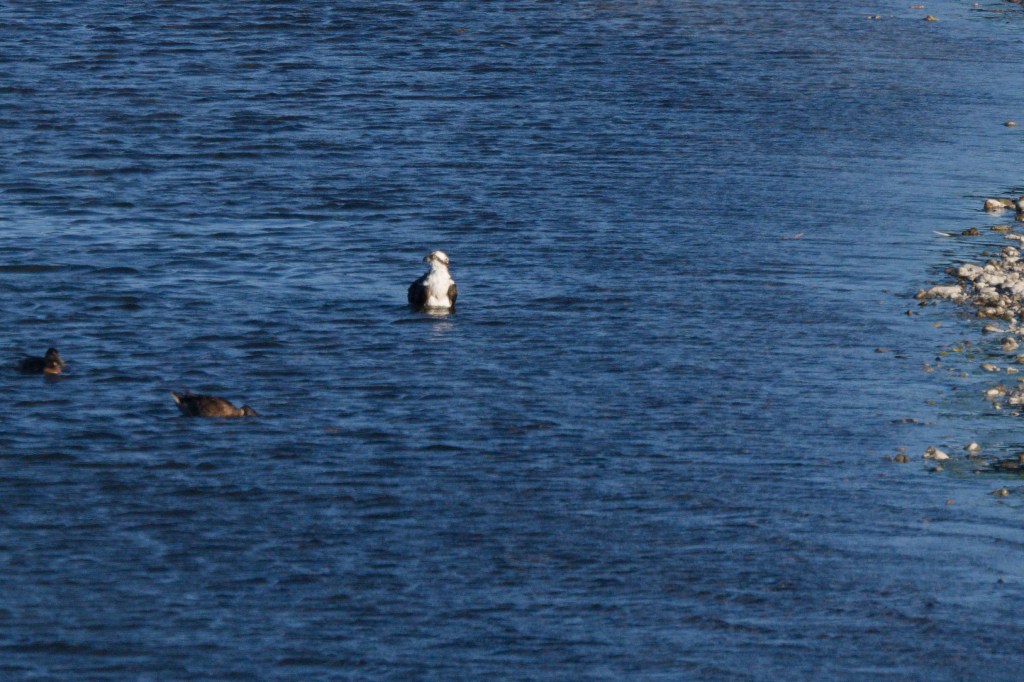
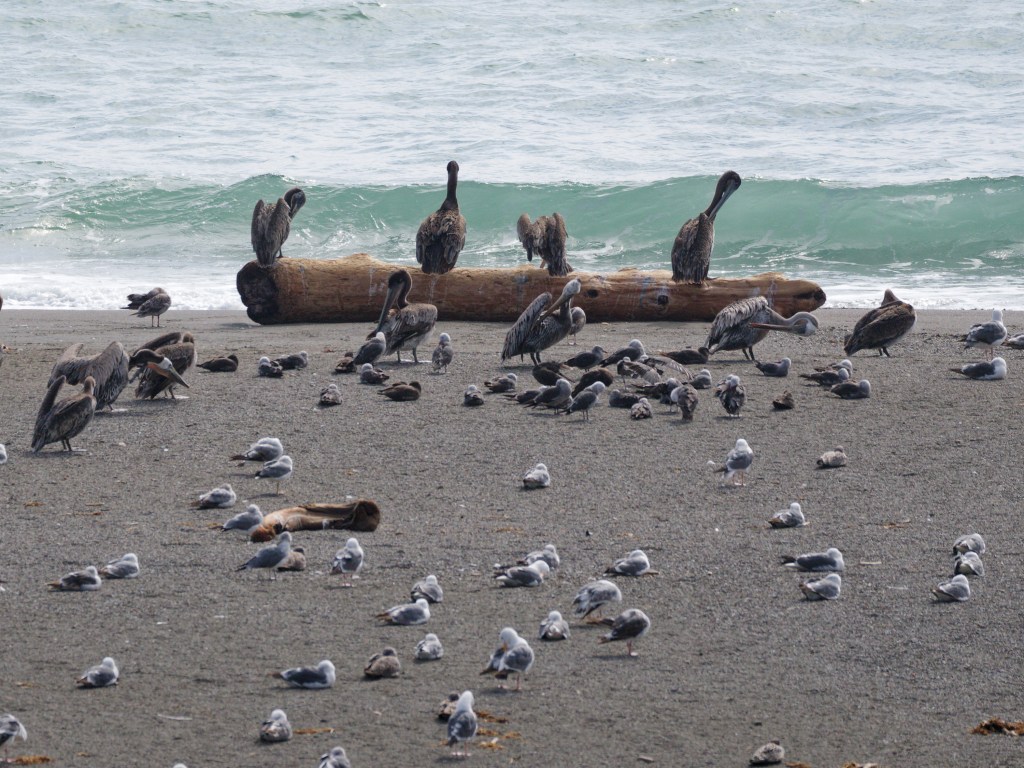
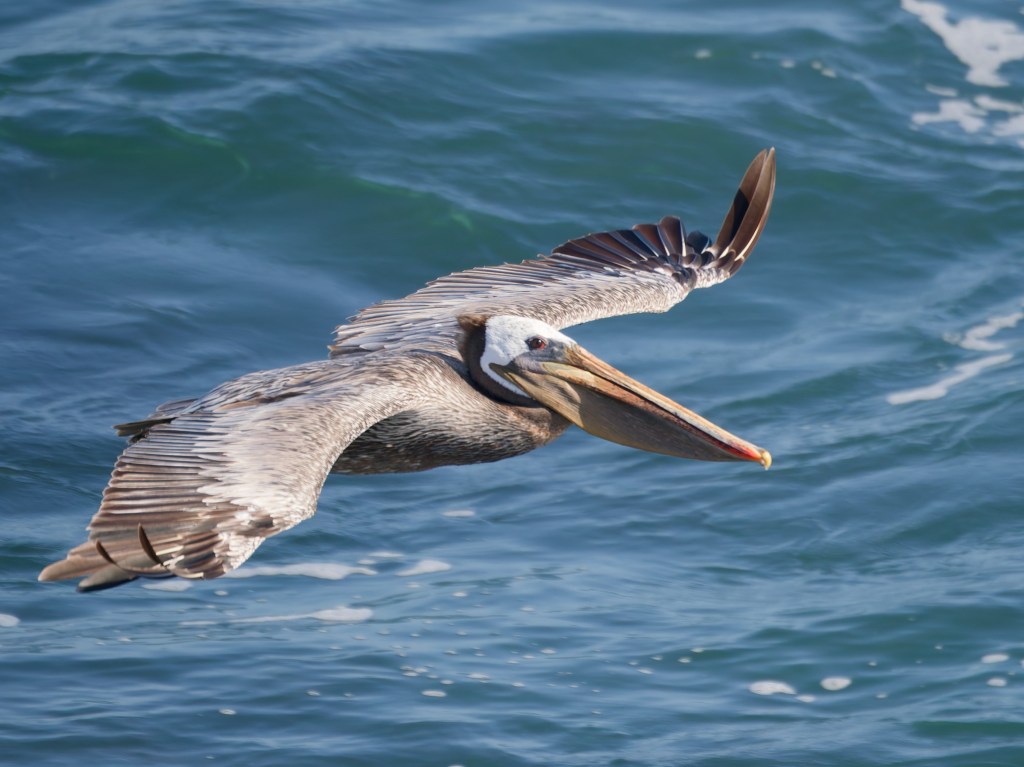
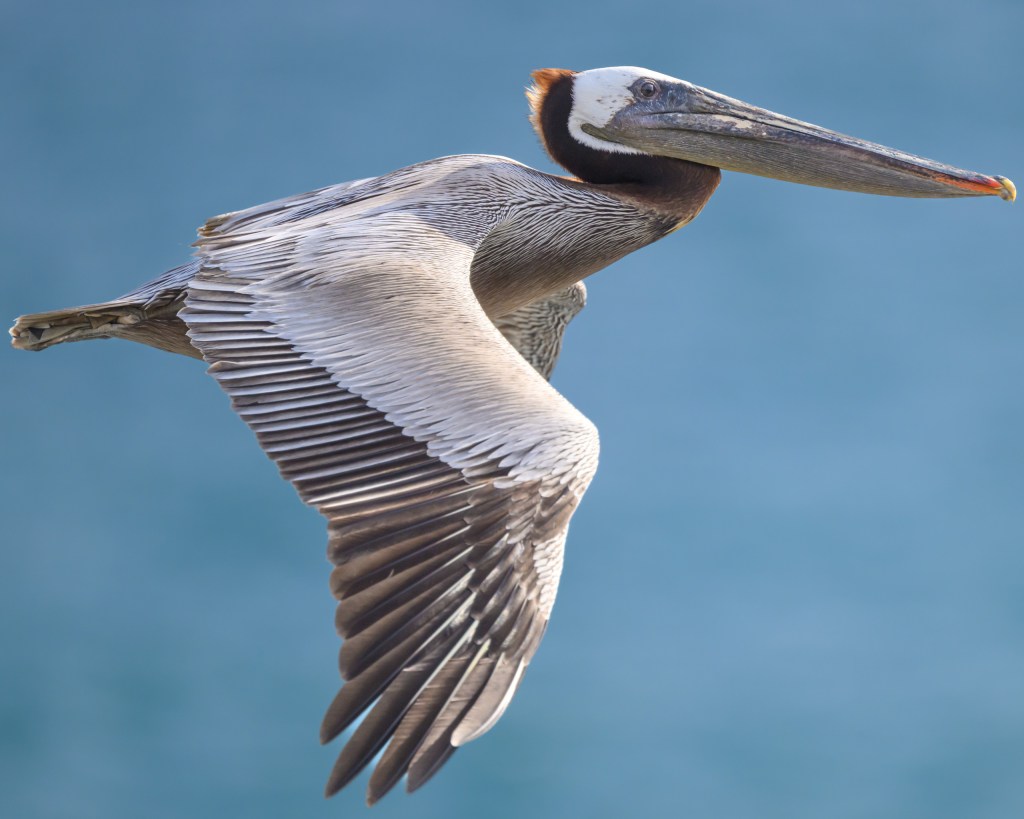
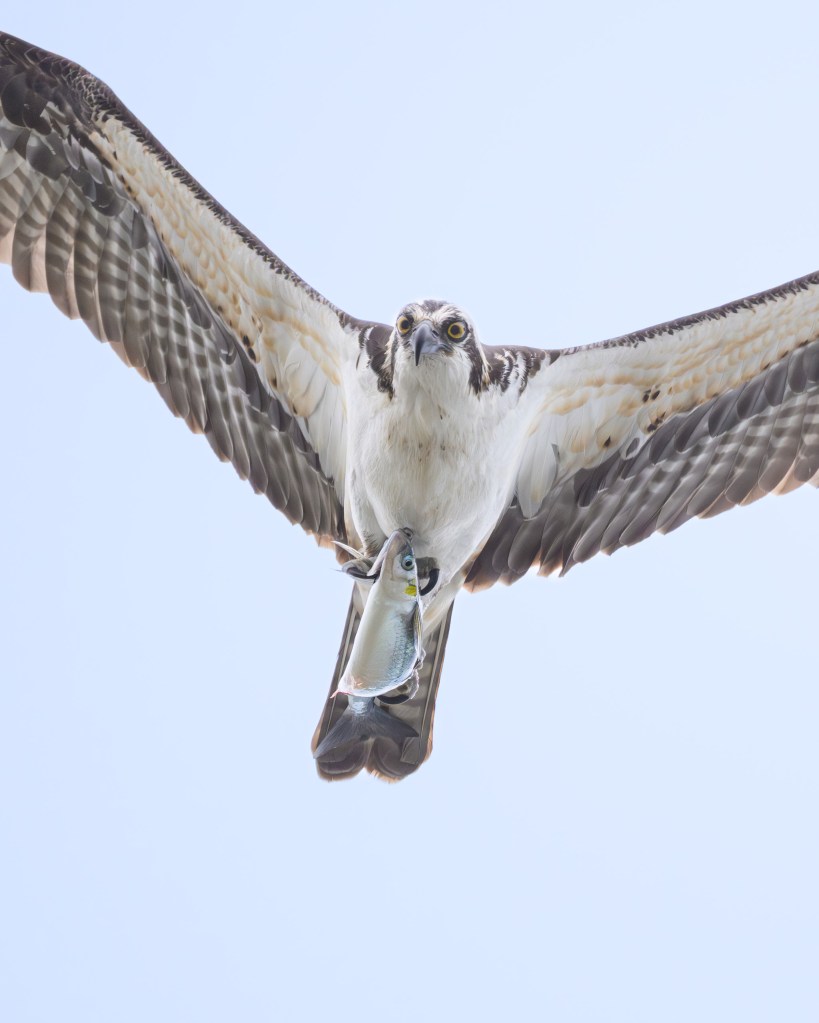
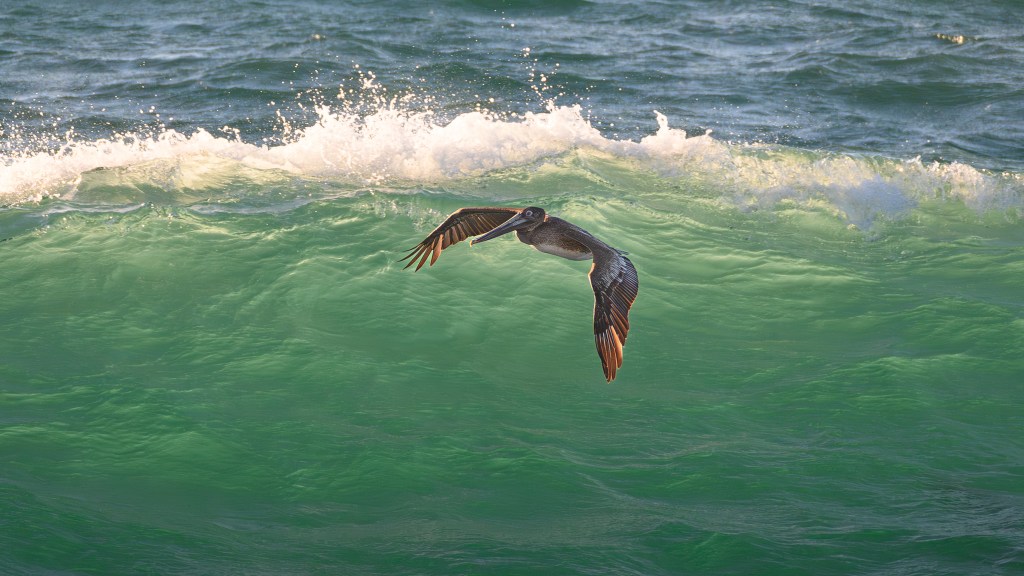
A wall of brown pelicans diving near Gualala Island… which led to my first semi-good Osprey catching a fish photo.
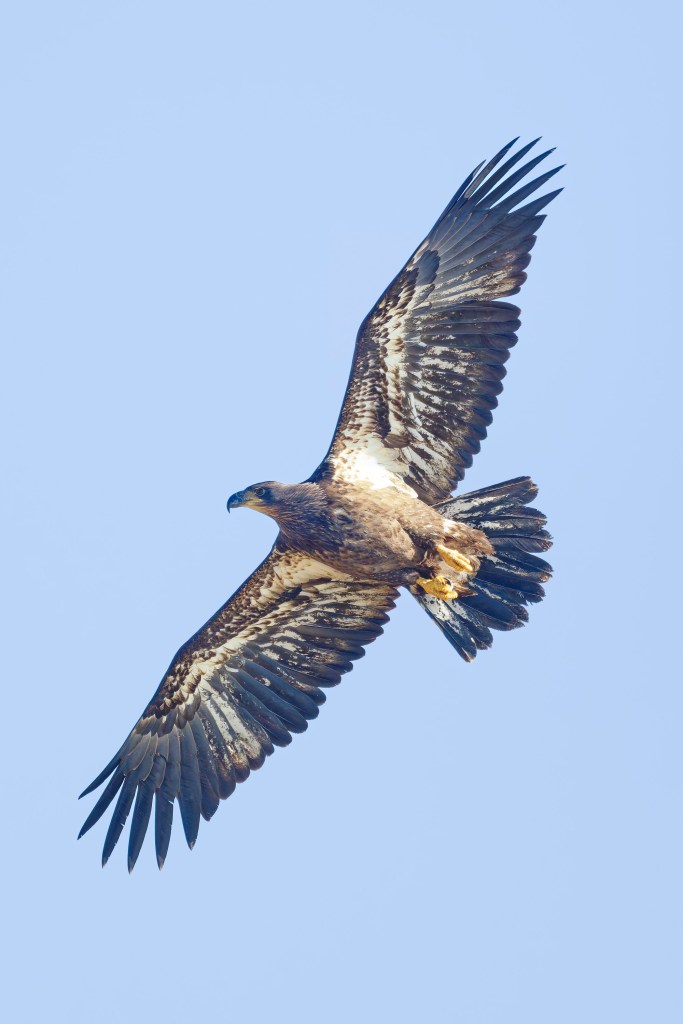
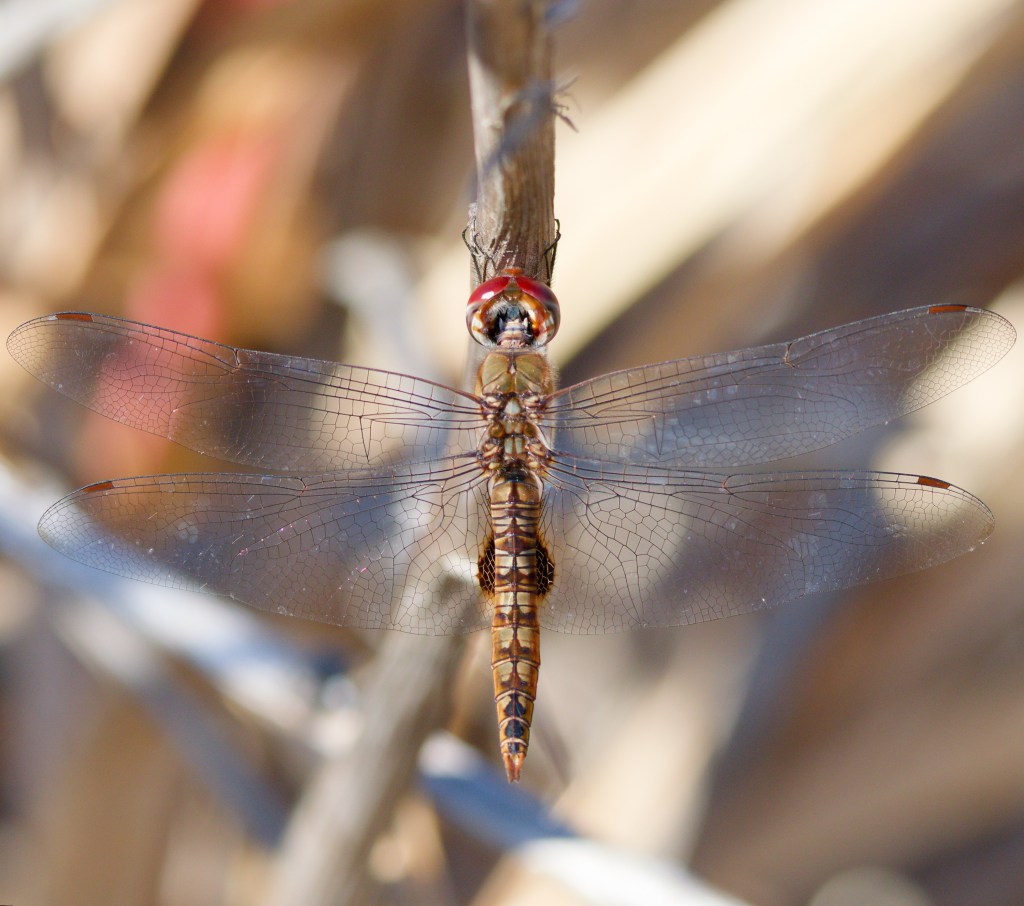
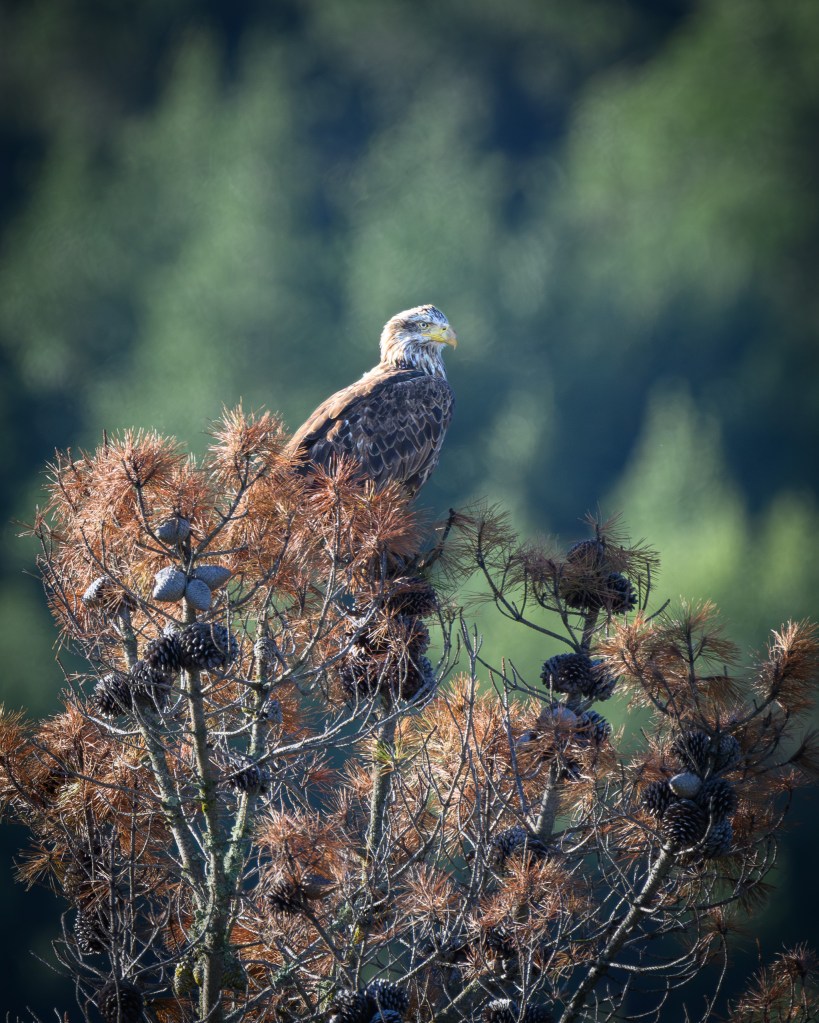
Peregrine Falcon The HayabusaPurple Martin … you punk.I didn’t know juveniles were blue!Eclipse PlumageWhales are still aroundJuvenile Bald Eagle, yes please!Sing me a songPelican-paloozaOne slacker, one nester and one fishermanPlease don’t feed the ravens… but re-gained focusPeregrine doing a fly-over
I have no new lifers since my last post – the summer slowdown is in effect for me.
I’m still getting out almost everyday, vacillating between my normal three spots –
Each of these locations are pretty close to home, and they make an easy before dinner or after dinner trip. The Gualala Point Regional Point is the roomiest with most options – it’s east side that faces the Gualala River can have more small birds – finches, sparrows, wrens, jays where the west-side is more about sea birds – gulls, pelicans, osytercatchers, terns and so on.
The Osprey chicks around home here are no longer chicks – they are full fledged juveniles, making lots of noise around the homestead. For the last two years, I’ve known roughly where their nest is and have made half-hearted attempts to locate it in the past. A couple days ago, the juveniles were particularly noisy, so I decided to see if I could find them near the nest. Pretty sure I now have a location on the nest – now I have to wait until next year to see if I can see it with fledglings/chicks !
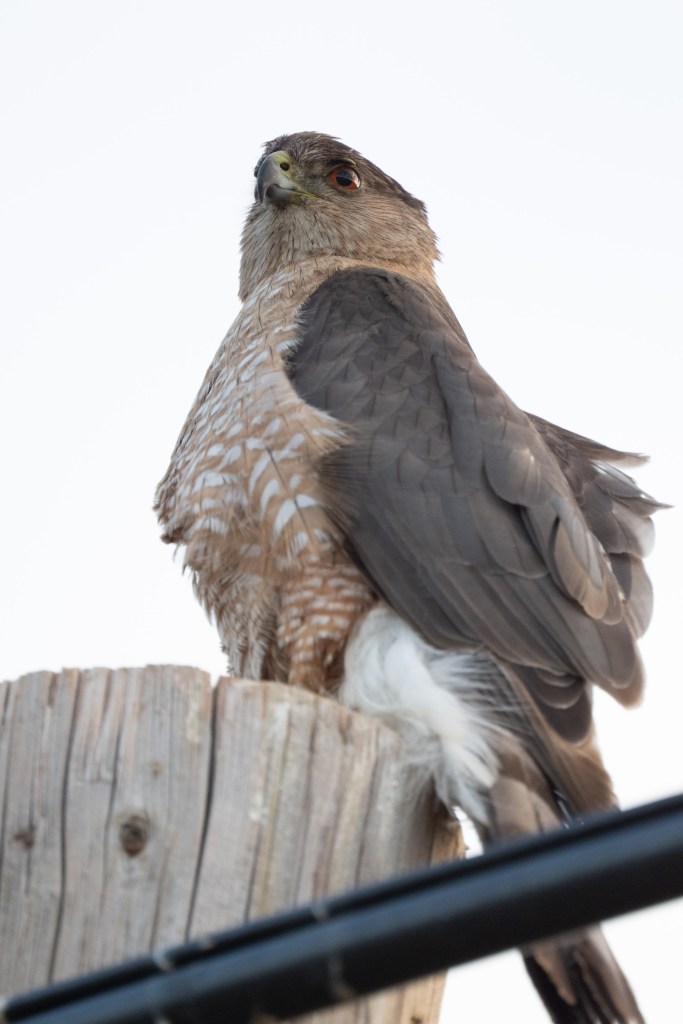
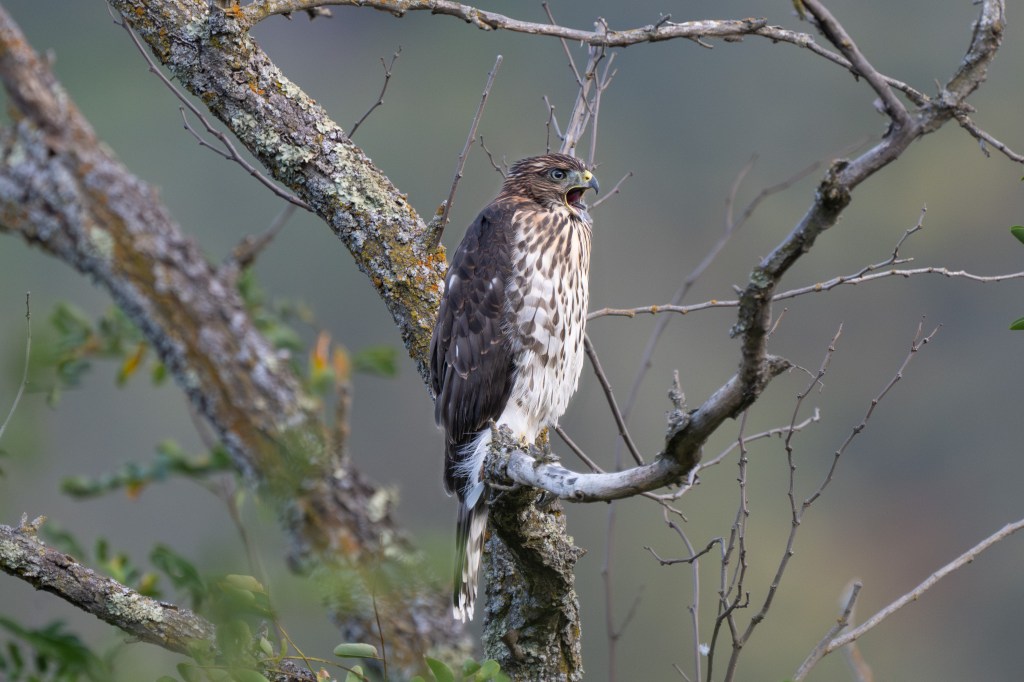
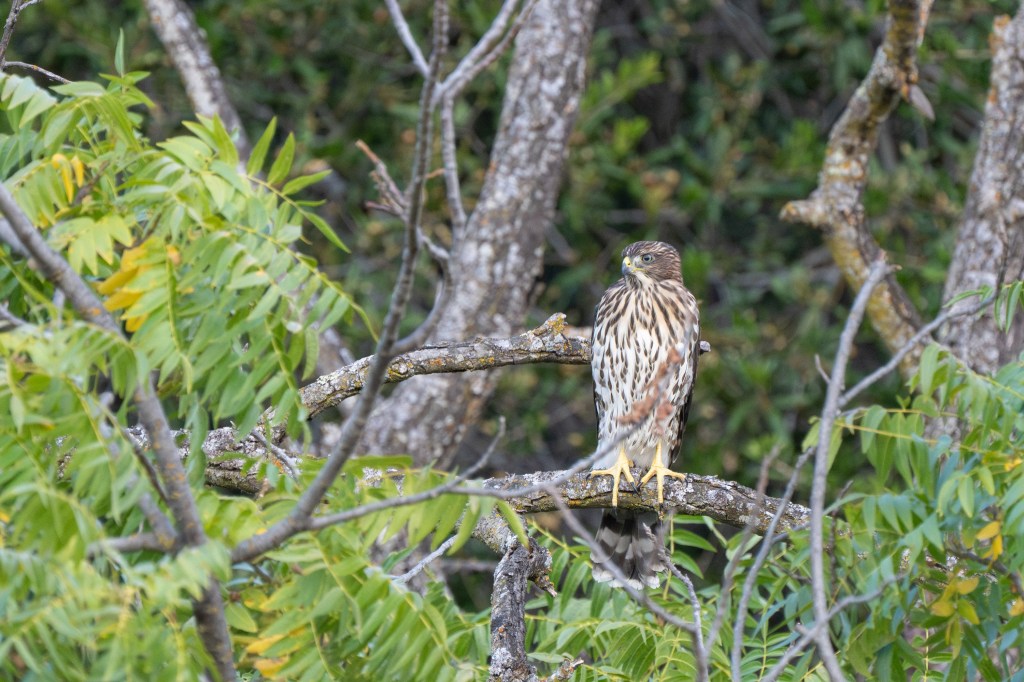
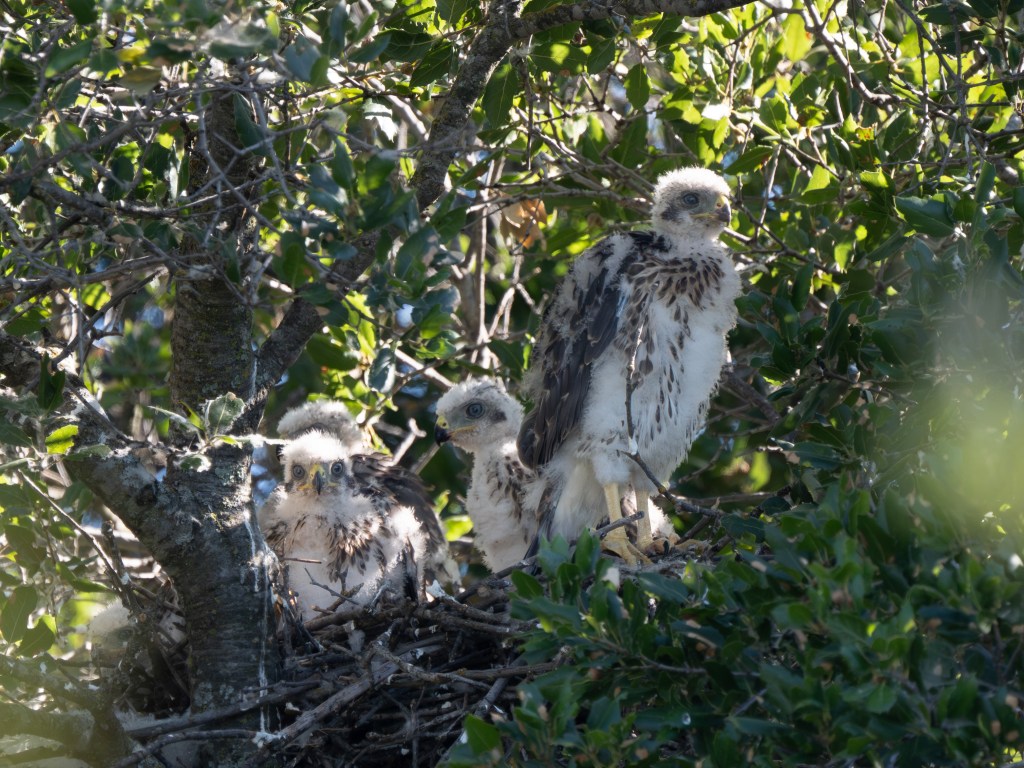
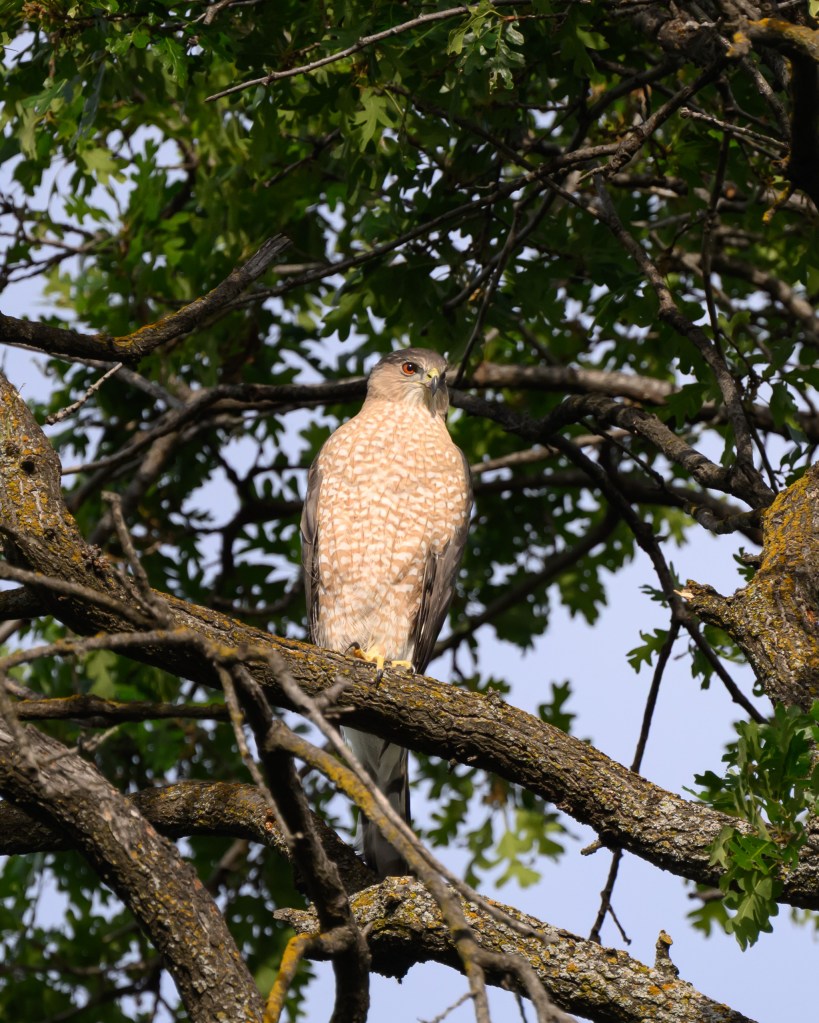
Speaking of juveniles, the Cooper’s Hawk family in the bay area are also all juveniles; just before we left to come back to Gualala, I visited them for a couple days — and man are they active. The six juveniles spread out around a few hundred yards from their nest, while the mother (?) sits across the street.
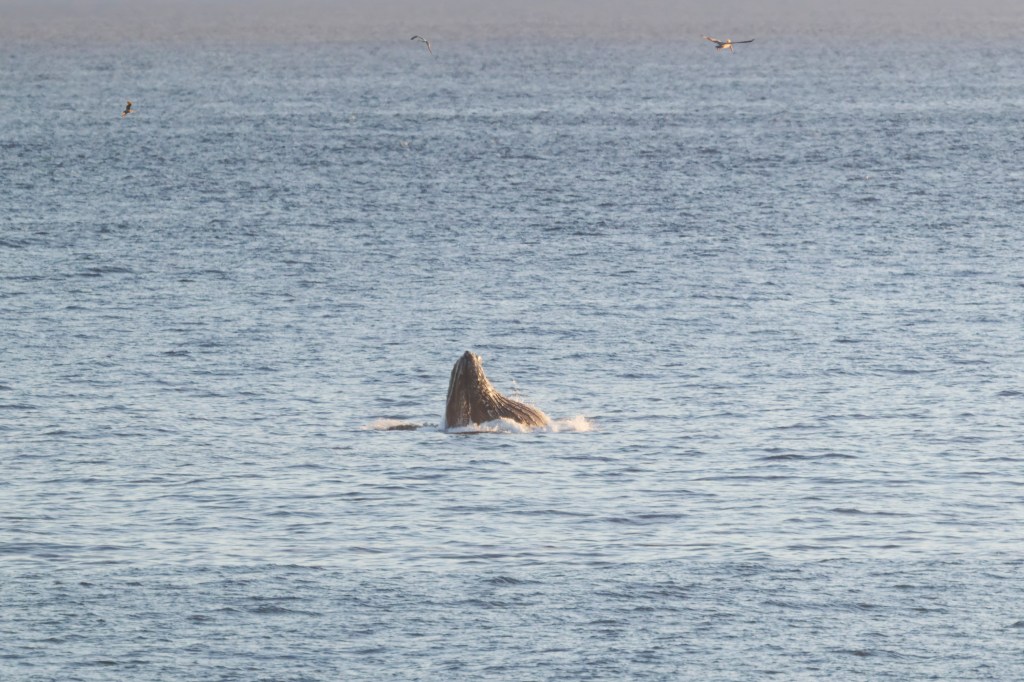
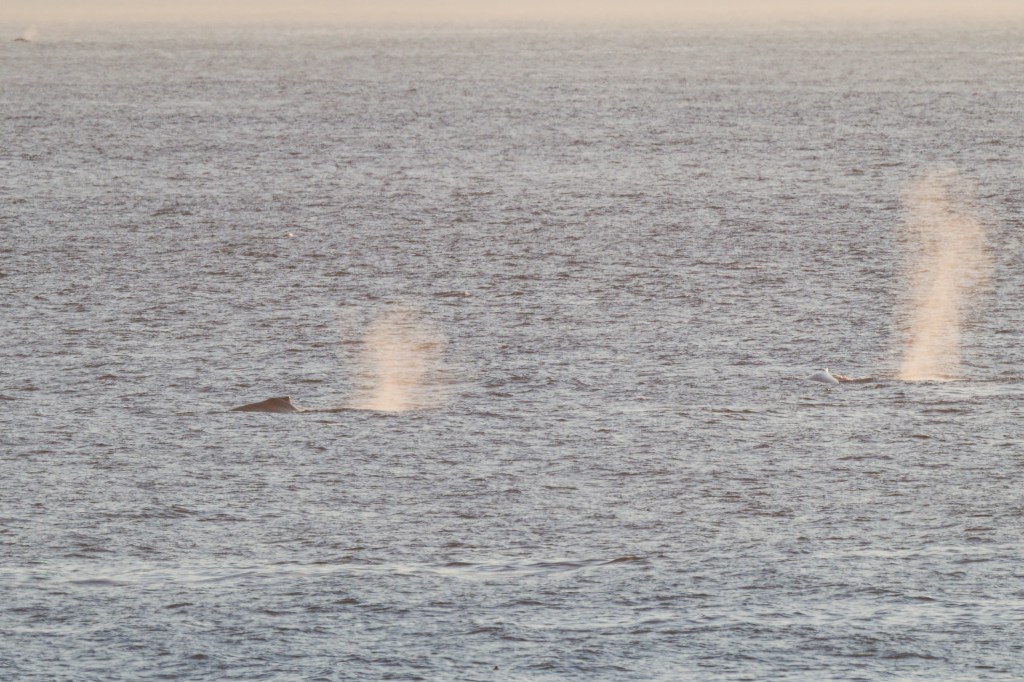
A few days back I got another supreme showing of whales, this time within the Gualala Point park, near the aptly named Whale Watch Point. Lots and lots of spouts and tails – when you spot your first spout, it becomes quite addicting intently scanning the horizon looking for the next spout or tail !
I’ll leave you with a mish-mash of photos from the last few weeks.
MCOUSTIER@PROTONMAIL.COM
Late last month, I reached my 200th lifetime bird – the Mute Swan. Not a lot of fan-fare, but a solid number for me.
From the Gualala Point Park, I nabbed bird #198, the Heermans Gull. It’s actually quite a beautiful gull; the dark coloring body with bright white head could almost make one mistake it for a Bald Eagle from a distance.
Life #198 – Heerman’s Gull
Before going back to the bay area for business, I managed to finally see my first petite-nemesis bird, the Olive Sided Flycatcher. This bird was making noises all around our home for a solid two weeks. I’d spend 30 minutes sitting in a single spot — the bird continuously making sound and I could not see him. To add insult, the description of the bird is “almost always sitting in plain view.” OH. MY. GOD. Before I rage-quit on the bird, I finally saw him perched up — in plain view. Phew.
Lifer #199 – Olive Sided Flycatcher
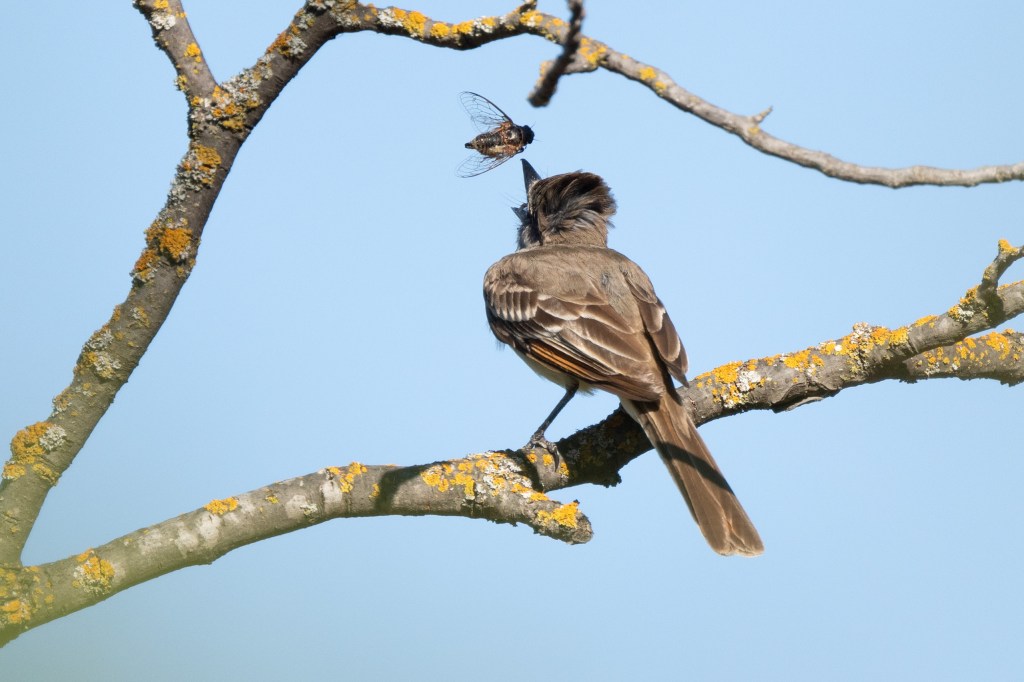
I spent two weeks back in the back area where I added the Mute Swan as bird #200. This was a short birding trip I did with my step-daughter where we got good views of the Swans, along with great views of Common Gallinules and Western Kingbirds.
Lifer #200 – Mute Swan
Closer to home, I checked back in on the Cooper’s Hawks nest and found 4 ( maybe 5 ) fledglings getting quite large. I managed a few photos and a video of the mom coming in to feed them.
MCOUSTIER@PROTONMAIL.COM
Lastly, closer to Gualala home, I had a fantastic experience watching the Humpback Whales from the Gualala Bluff Trail. They were still pretty far out from shore, but with a lot of zoom and a little luck, I managed some nice photos and a pretty good video.
Since we’ve back from Texas, I’ve added five new lifers between Gualala and the Bay Area – better than I thought.
2025 total was 128 birds
2026 total ( so far ) is 166 !
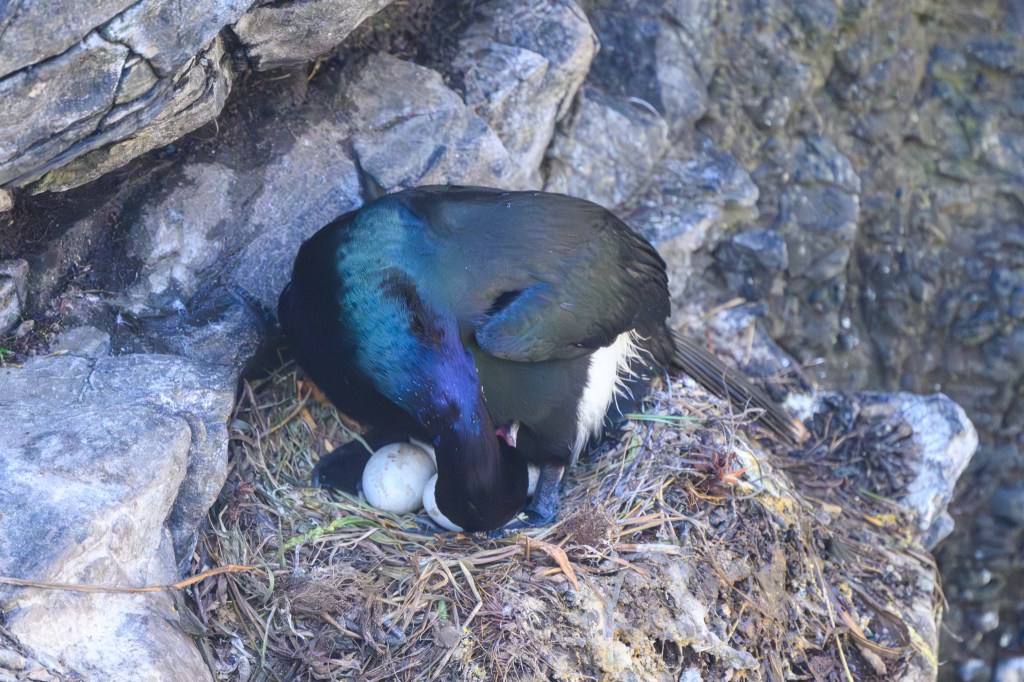
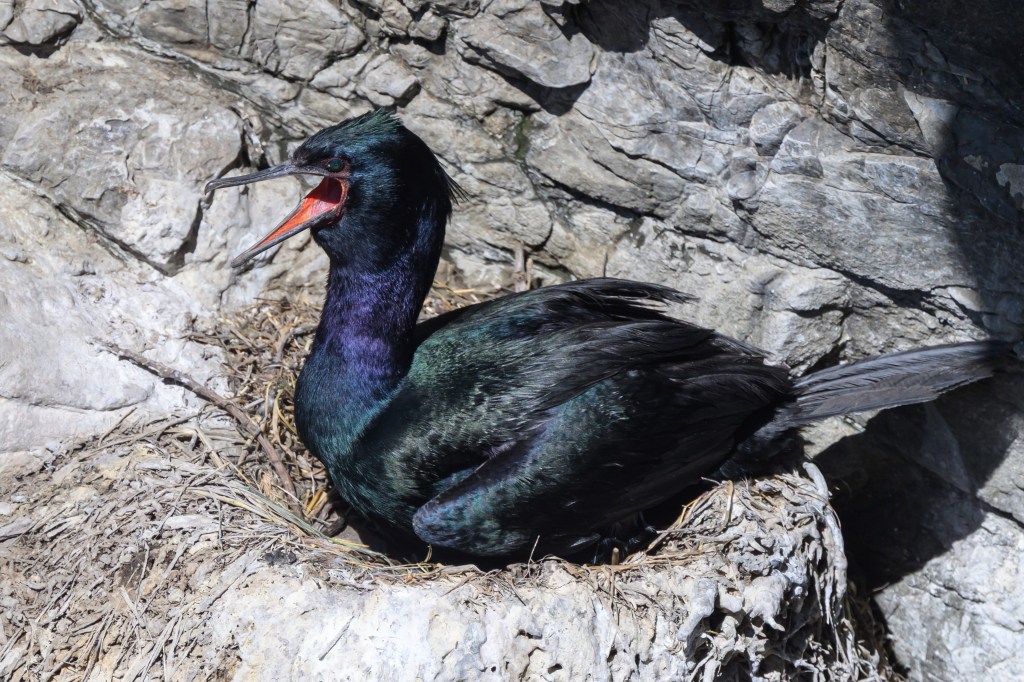
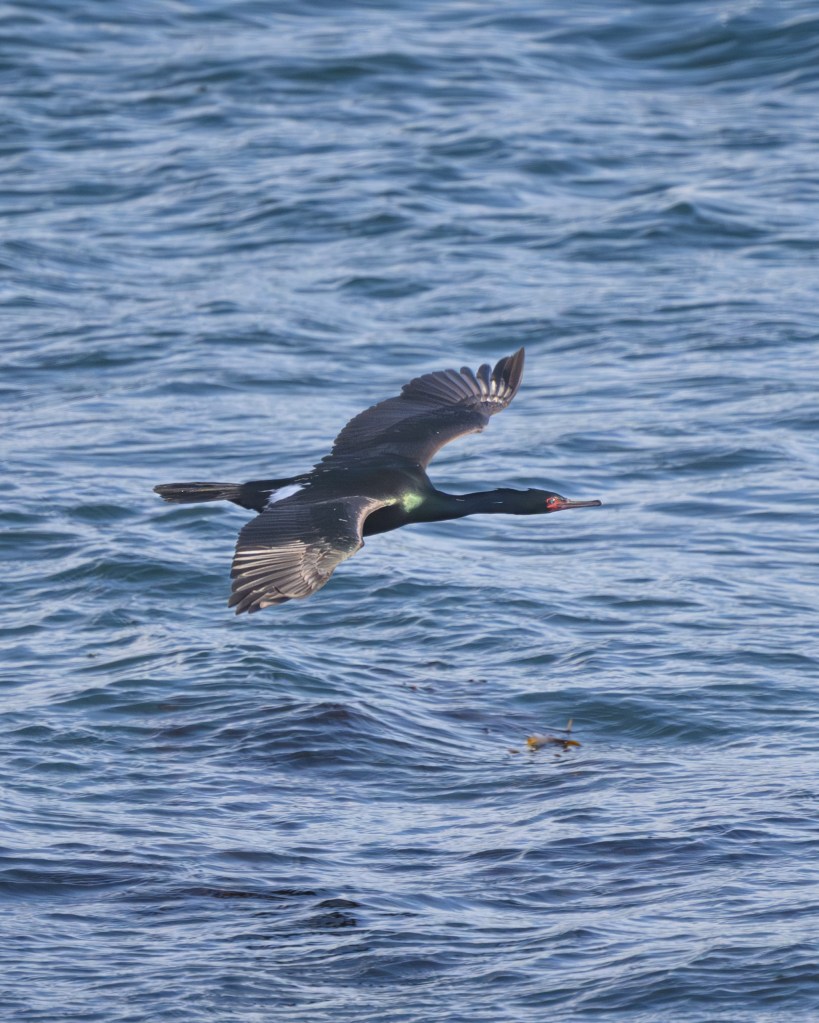
I also joined an impromptu birding meet to see local nesting birds – and we got to see numerous nesting birds – Western Gull, Black Oystercatcher, Cliff Swallows and Pelagic Cormorants. The cormorants were arguably the most exciting because (a) their nests are dramatically perched on the edge of sea stacks and (b) we could catch the glimpse of eggs under their mothers.
Pelagic Cormorant sitting on at least 4 eggs
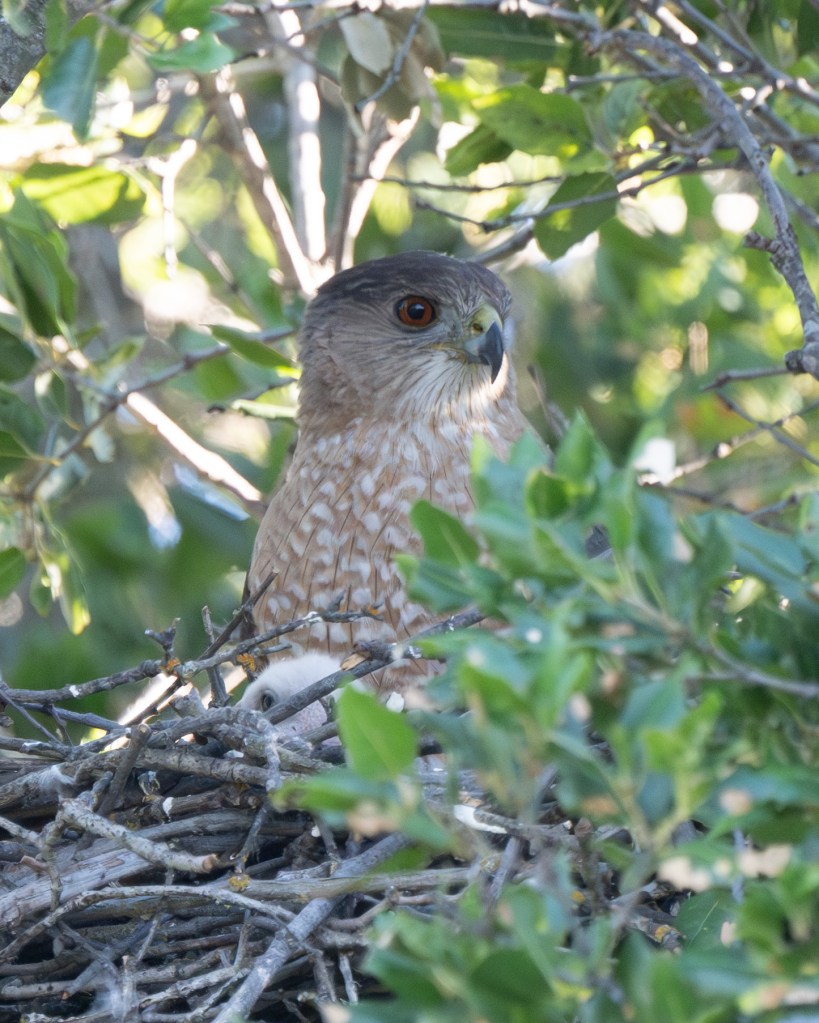
Later back in the Bay Area, I found a Coopers Hawk nesting with a parent sitting on at least two chicks – very cool!
Coopers Hawk with chicks – you can just make out one of them on the bottom of the parent – look for the white fluff-ball.
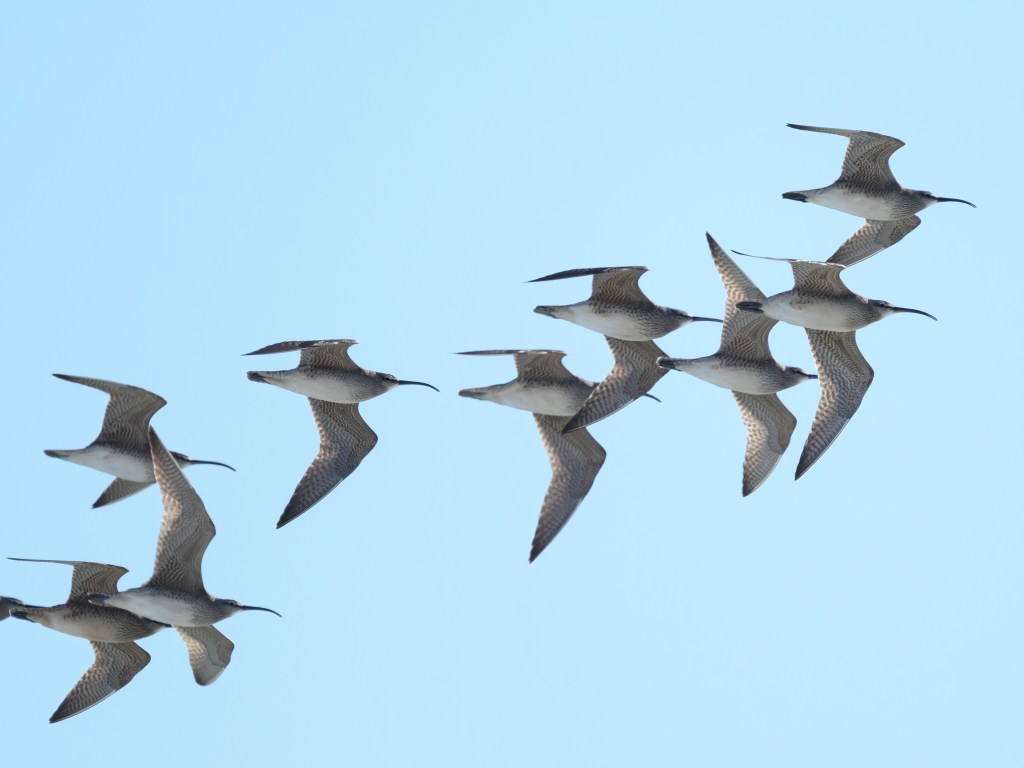
#193 – Hudsonian Whimbrel
Found at the Gualala Point regional park
Hudsonian Whimbrel
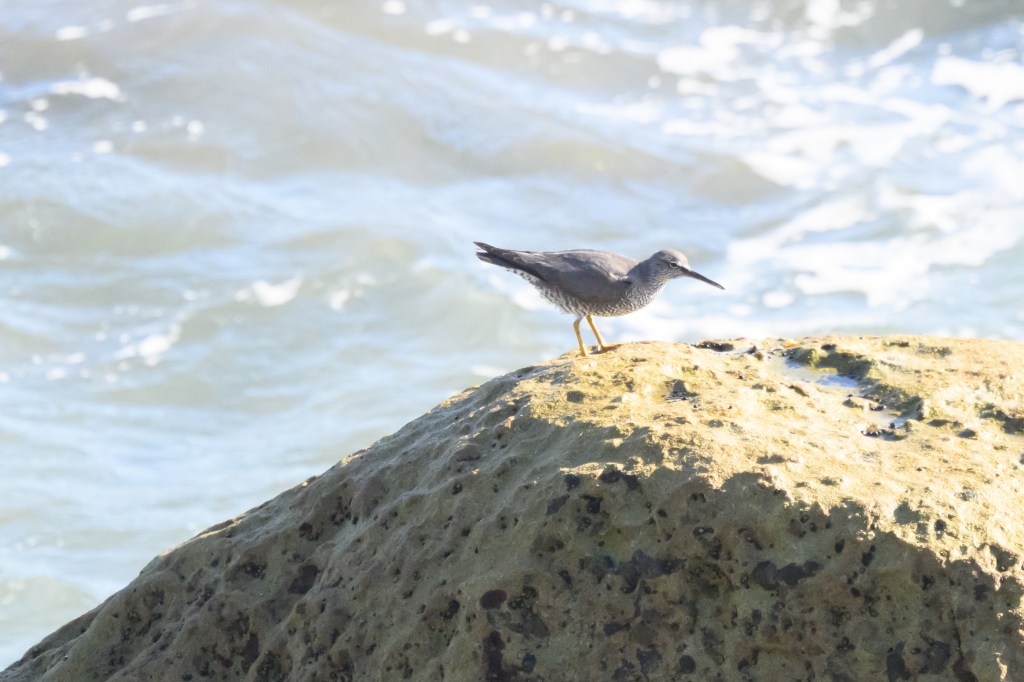
#194 – Wandering Tattler
Found at Gualala Point regional park
Wandering Tattler
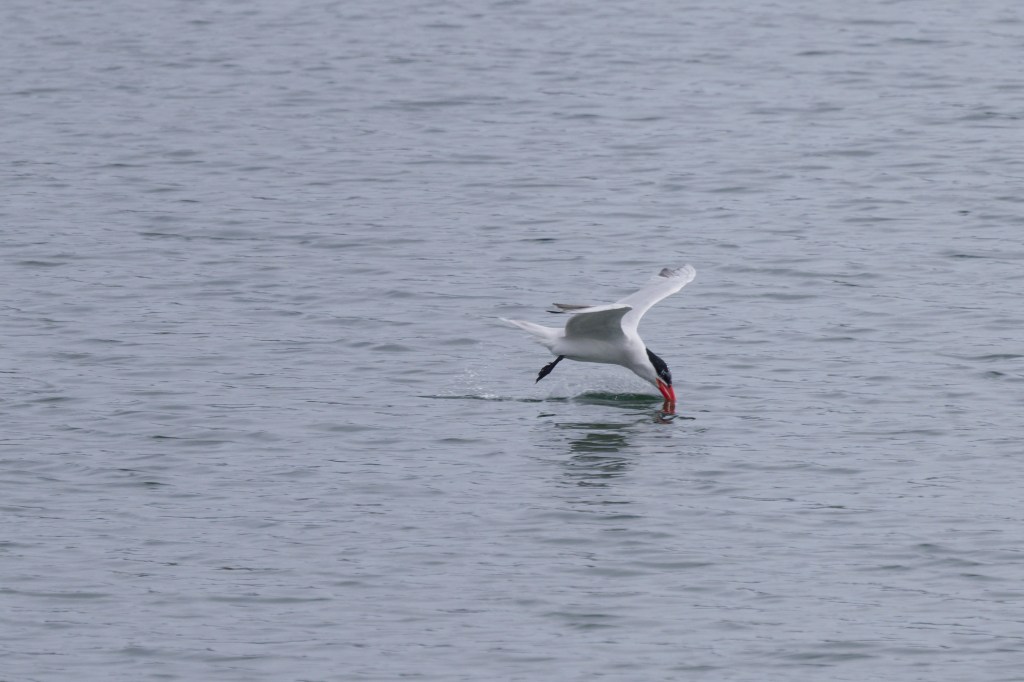
#195 – Caspian Tern
No image – this was a fly-by near Sea Ranch with group of birders.
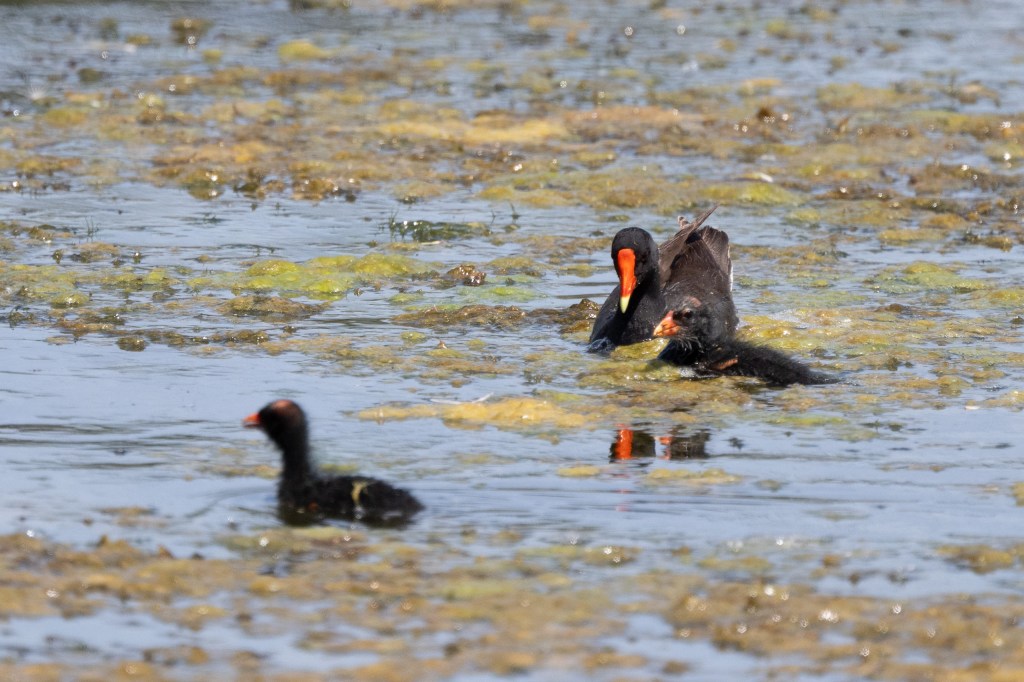
#196 – Common Gallinulle
Seen in Fremont while visiting my son – unfortunately “heat haze” wrecked a lot of the photos, but it was a nice experience seeing this mother feeding her three chicks.
Common Gallinulle
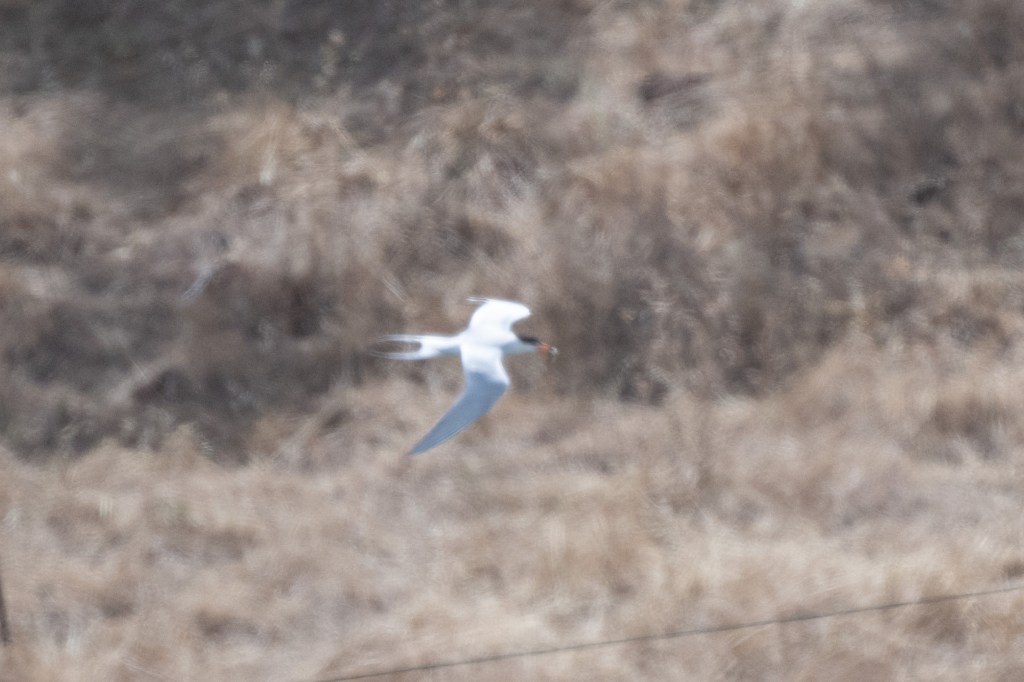
#197 – Forster’s Tern
Seen in Fremont – doing a pretty rapid fly-by… my wife actually helped point me to it!
Forster’s Tern
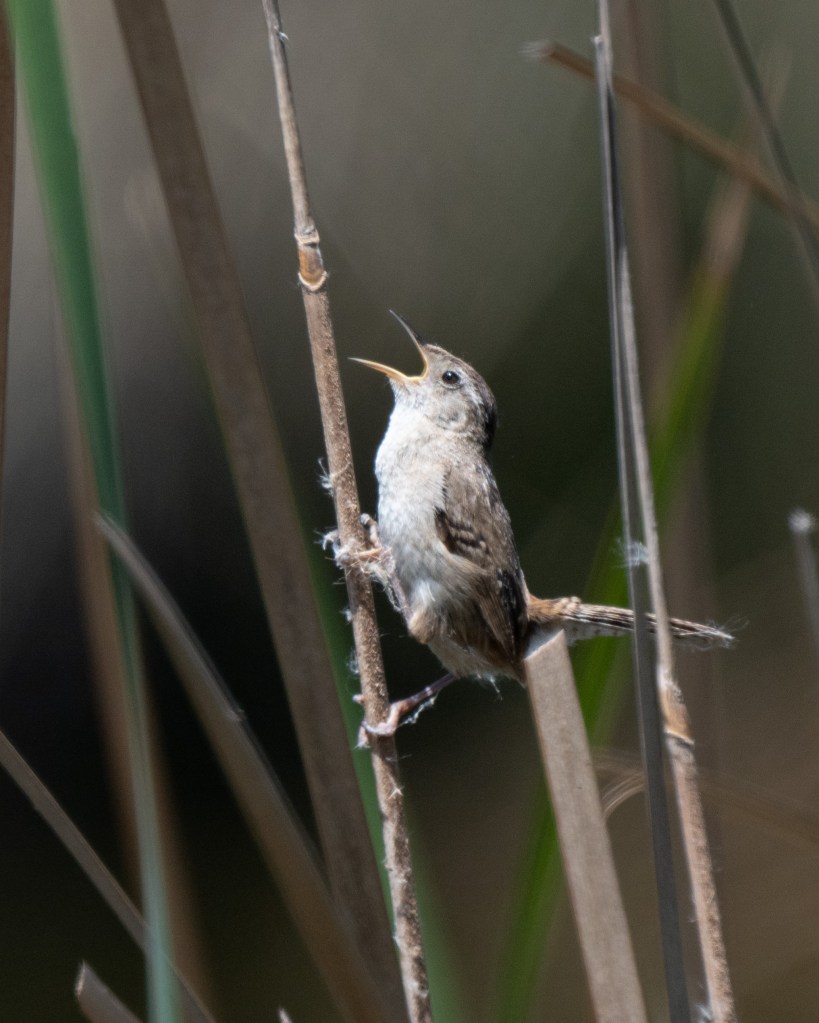
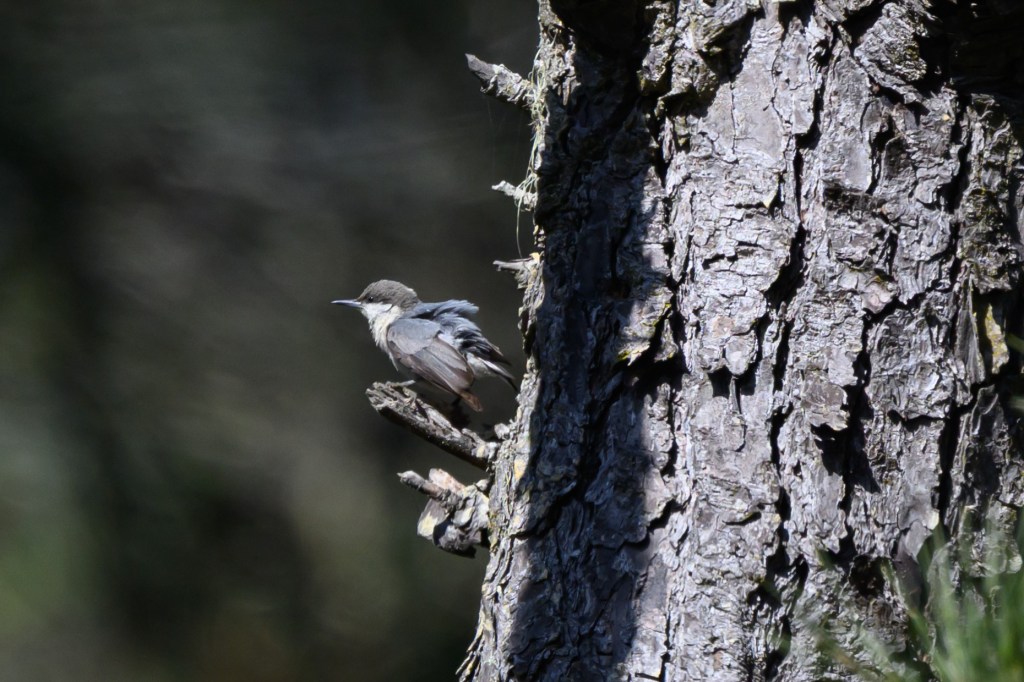
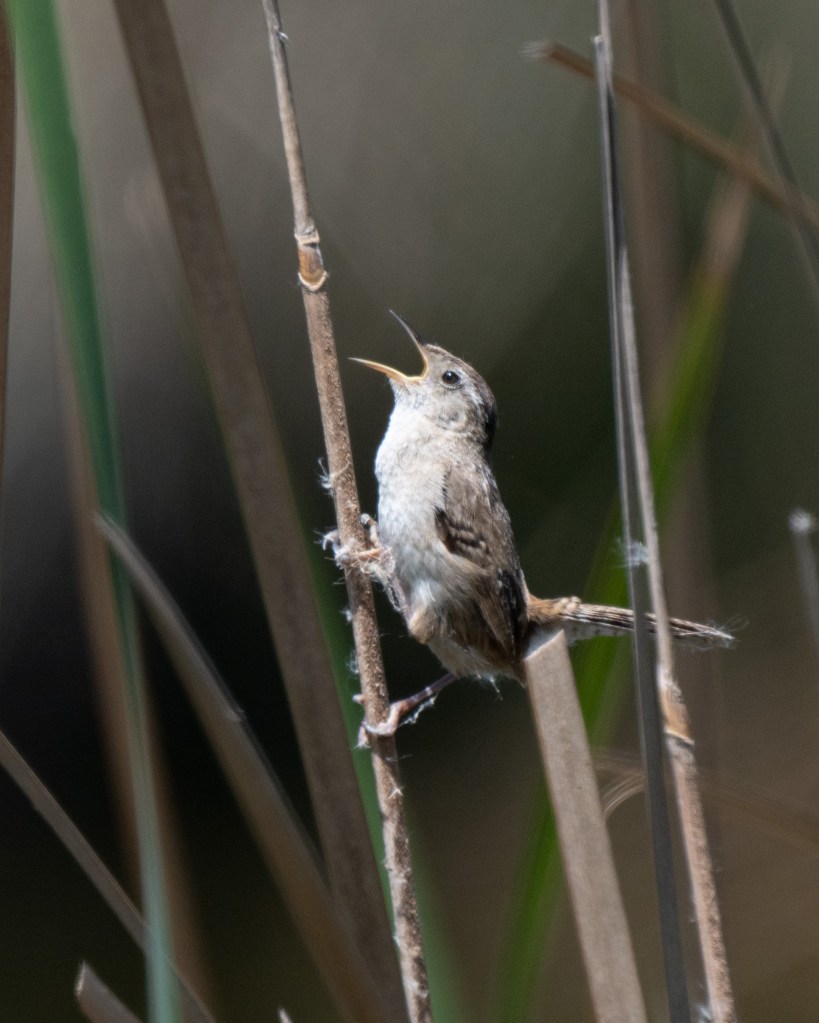
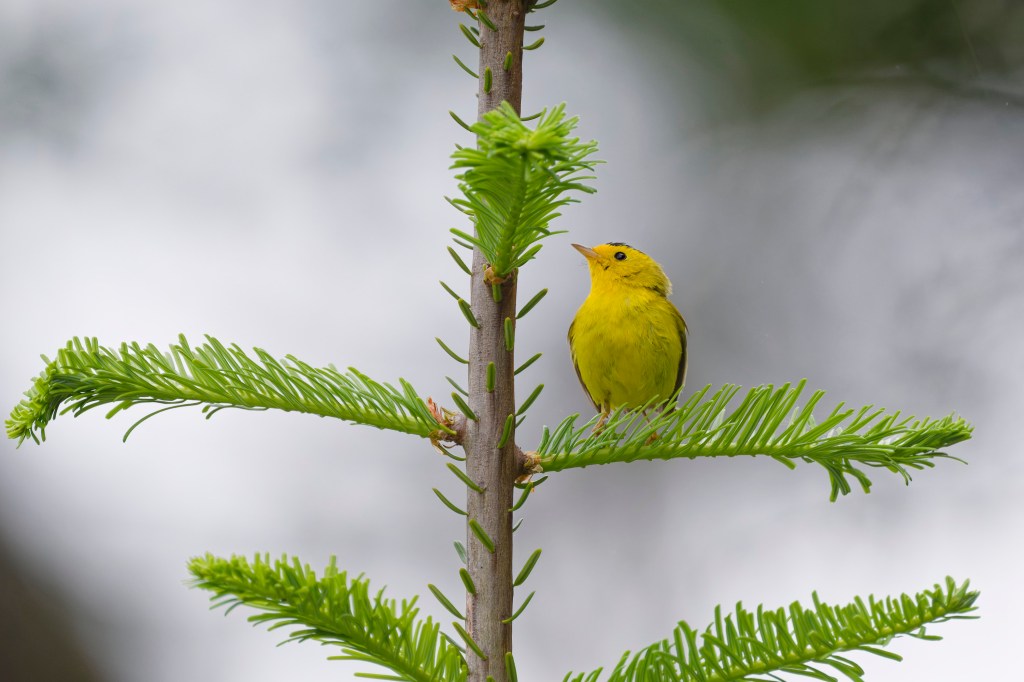
I’ve also gotten better looks at Pygmy Nuthatches, Wilsons Warblers and a Marsh Wren.
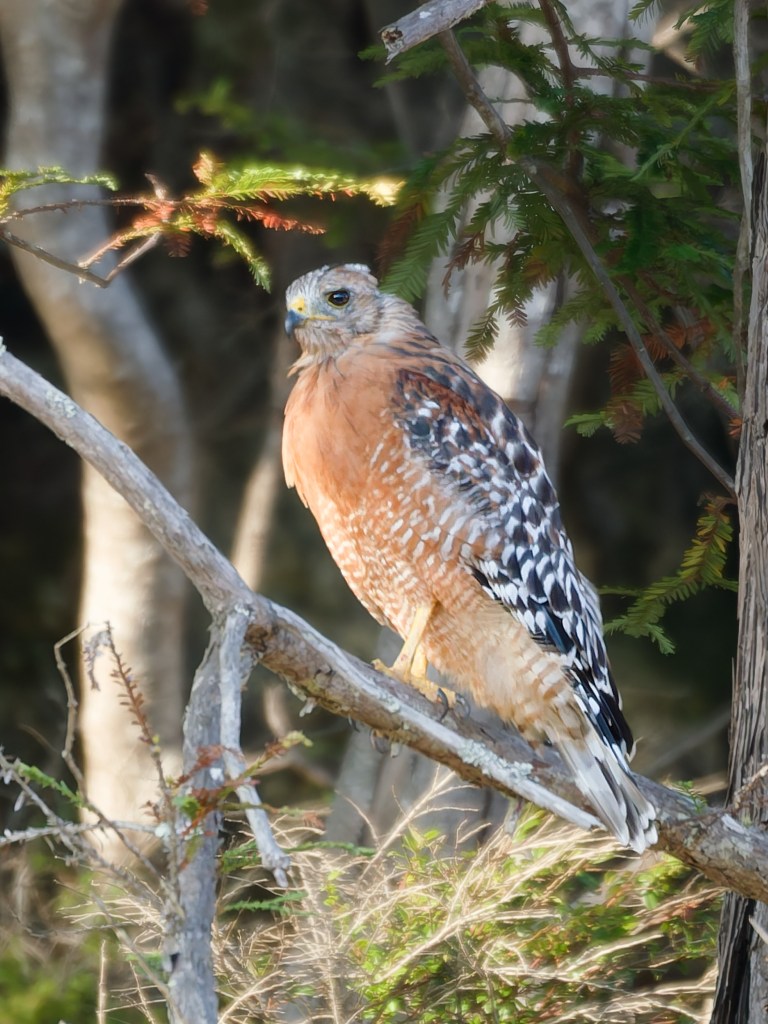
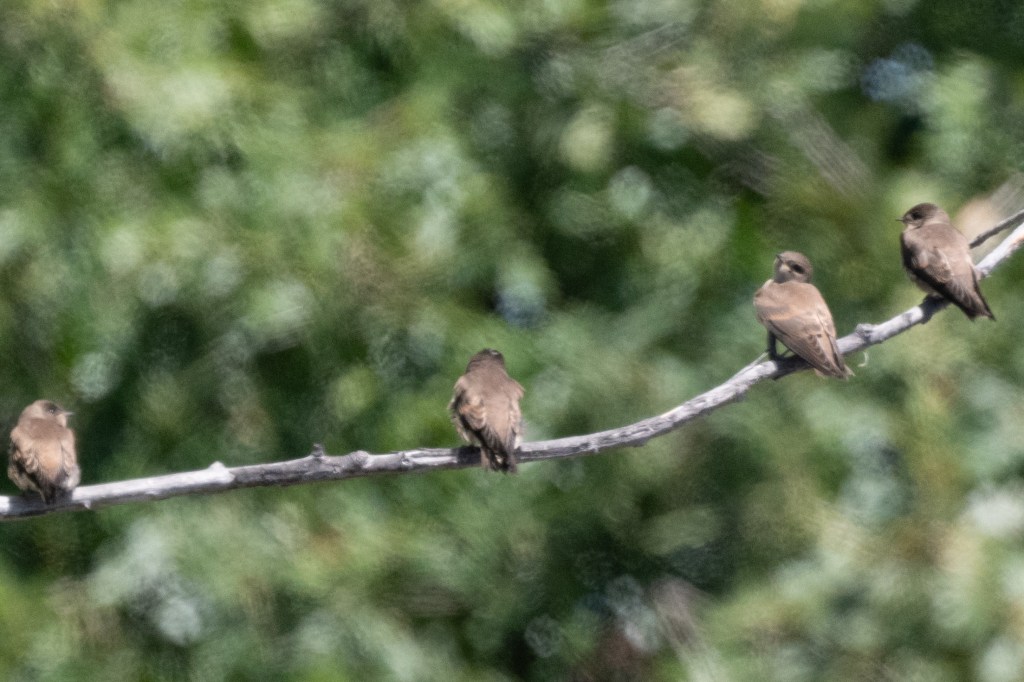
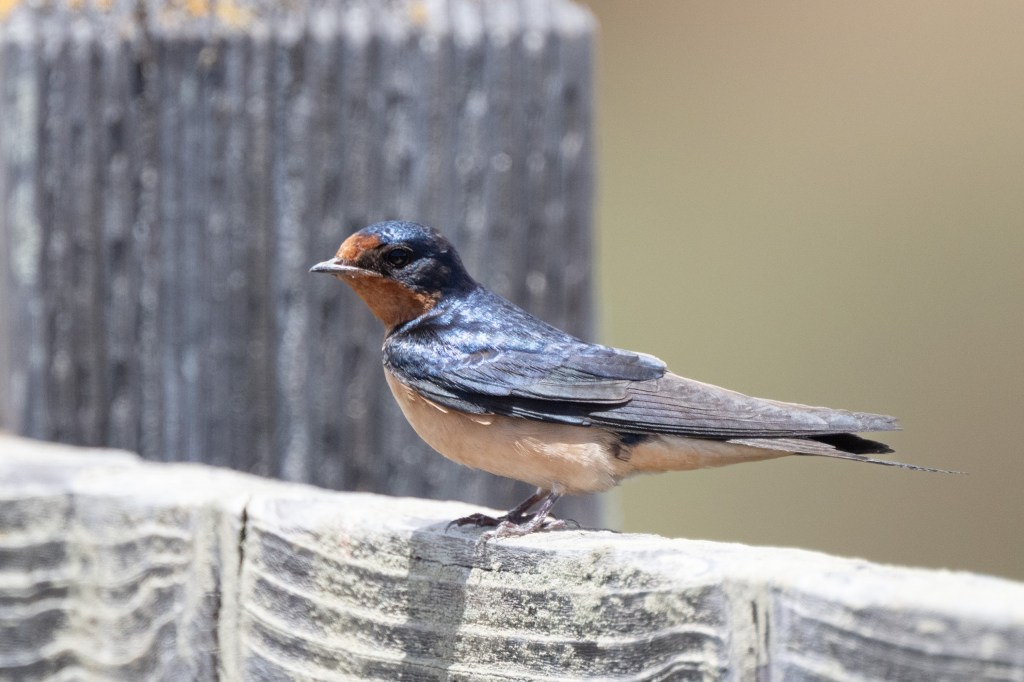
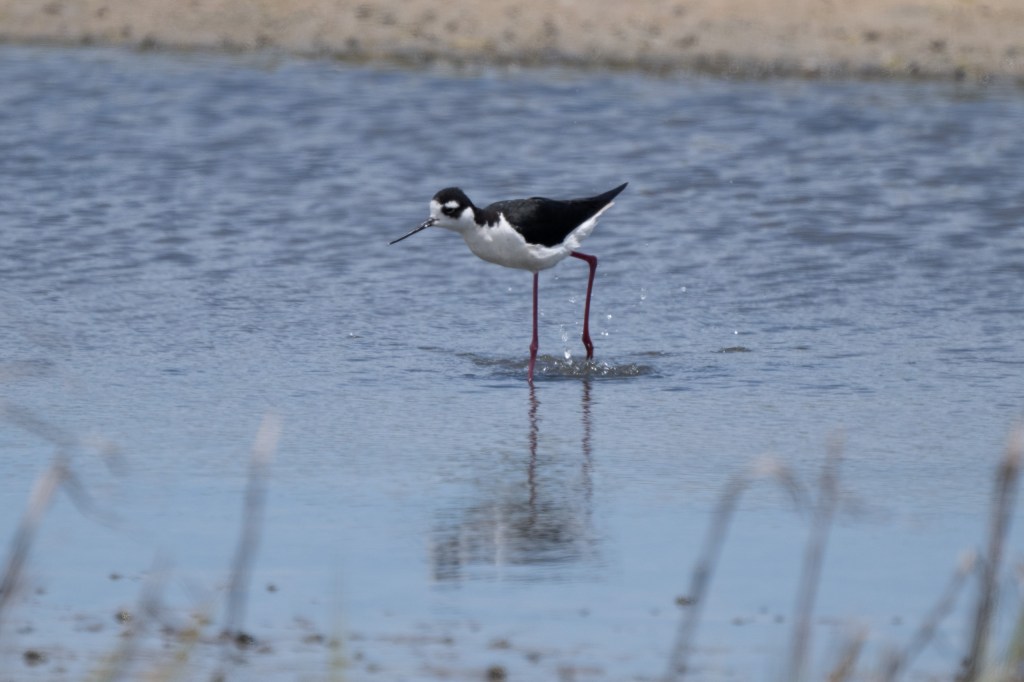
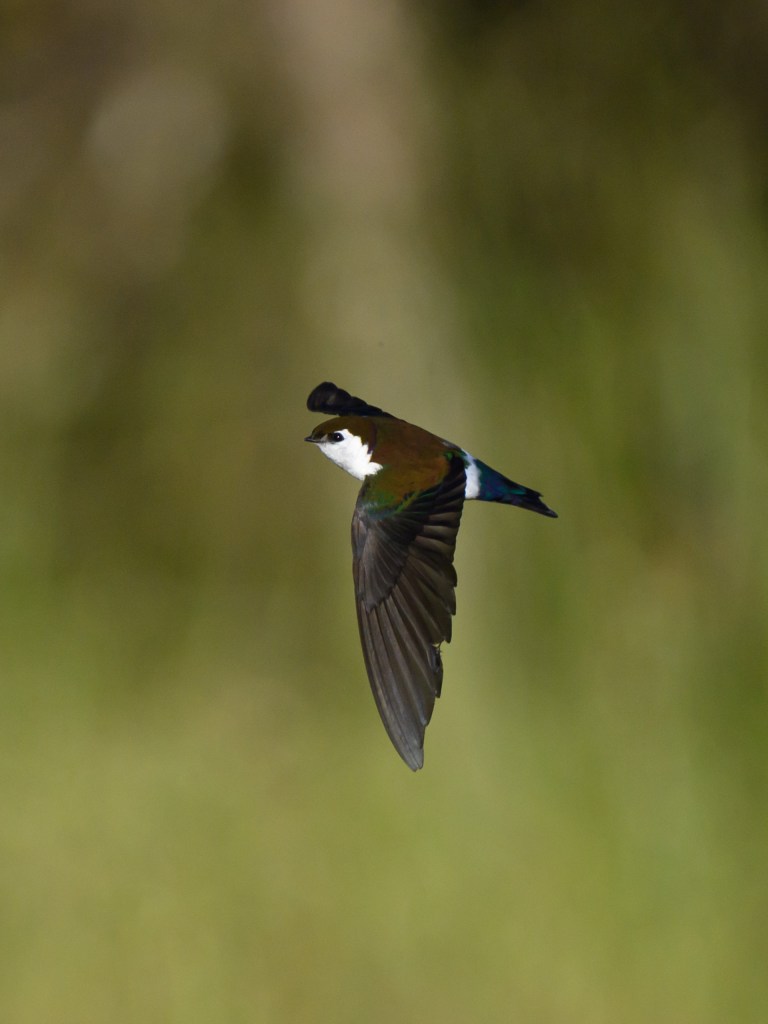
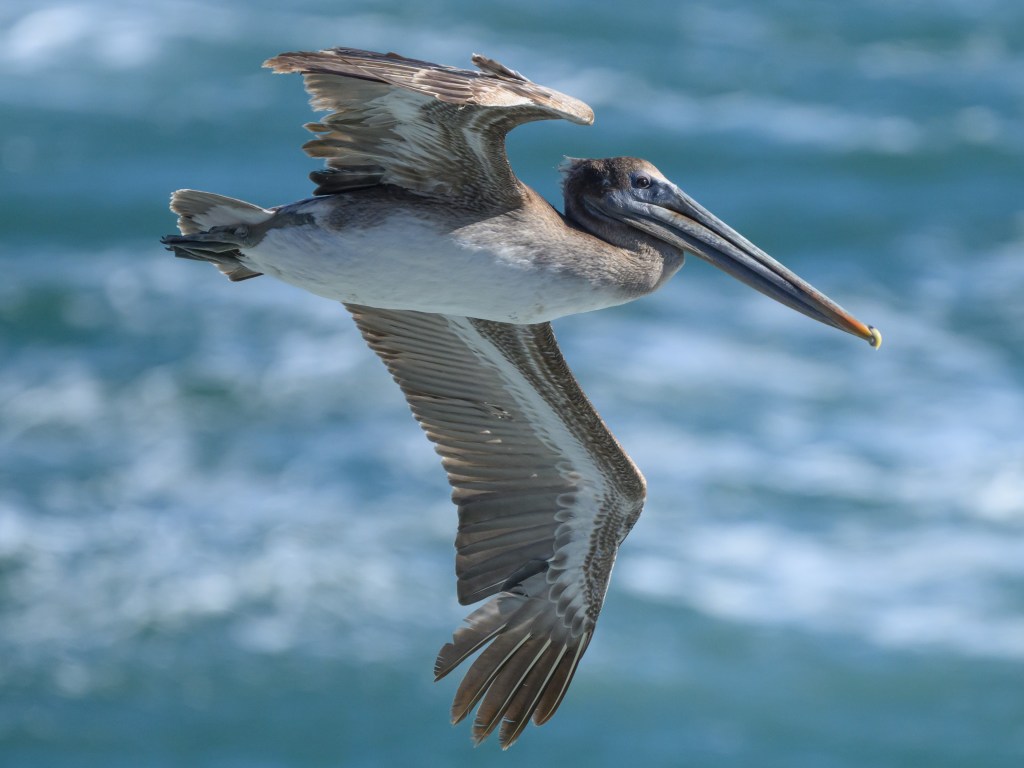
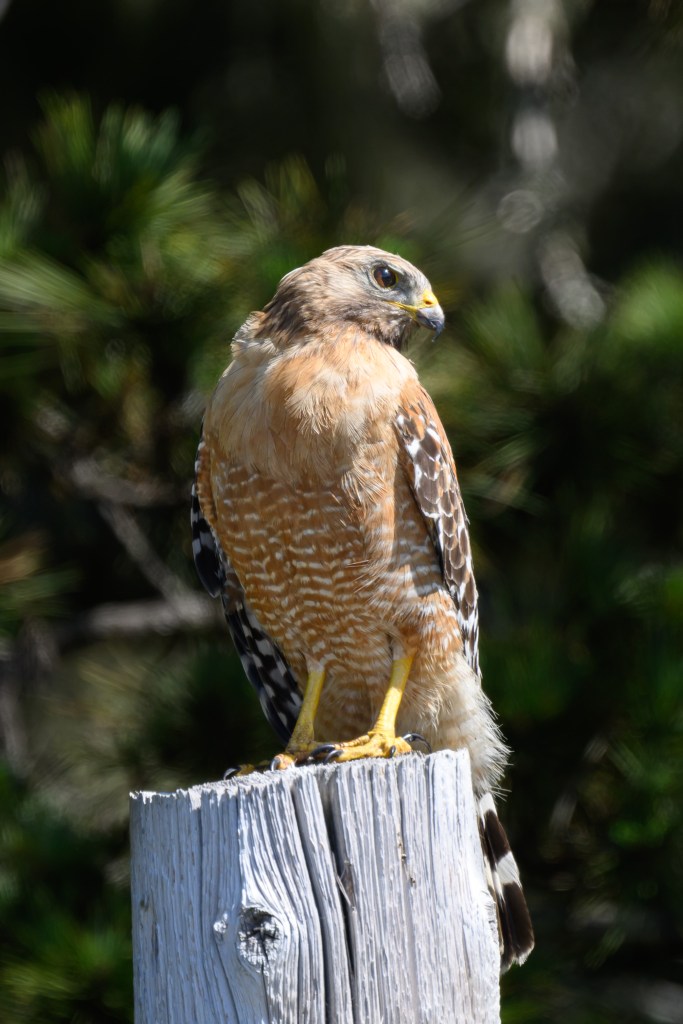
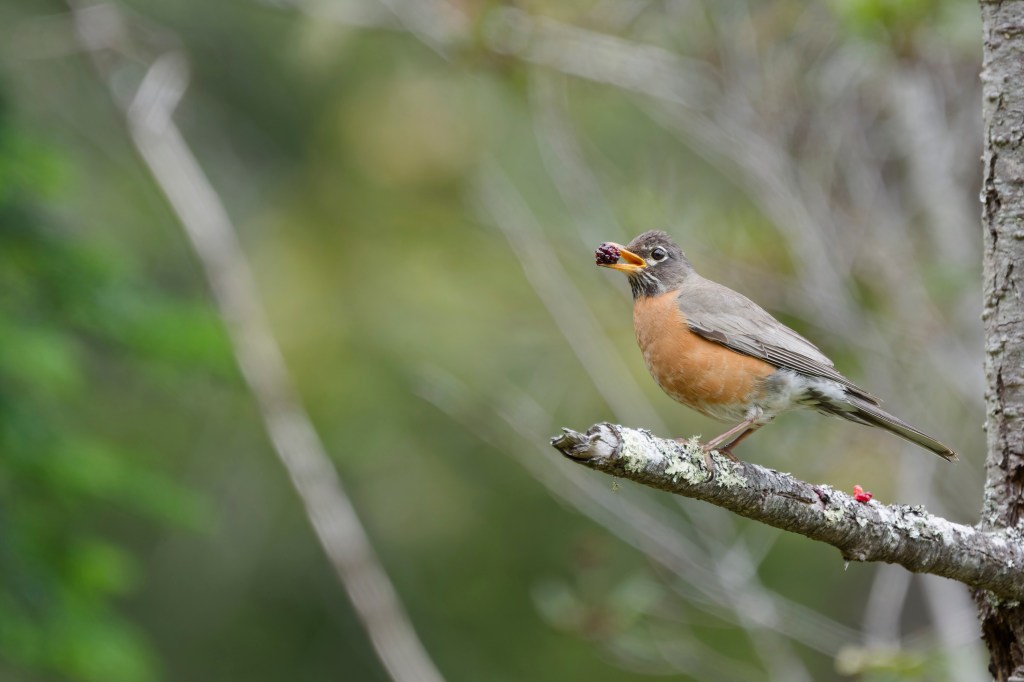
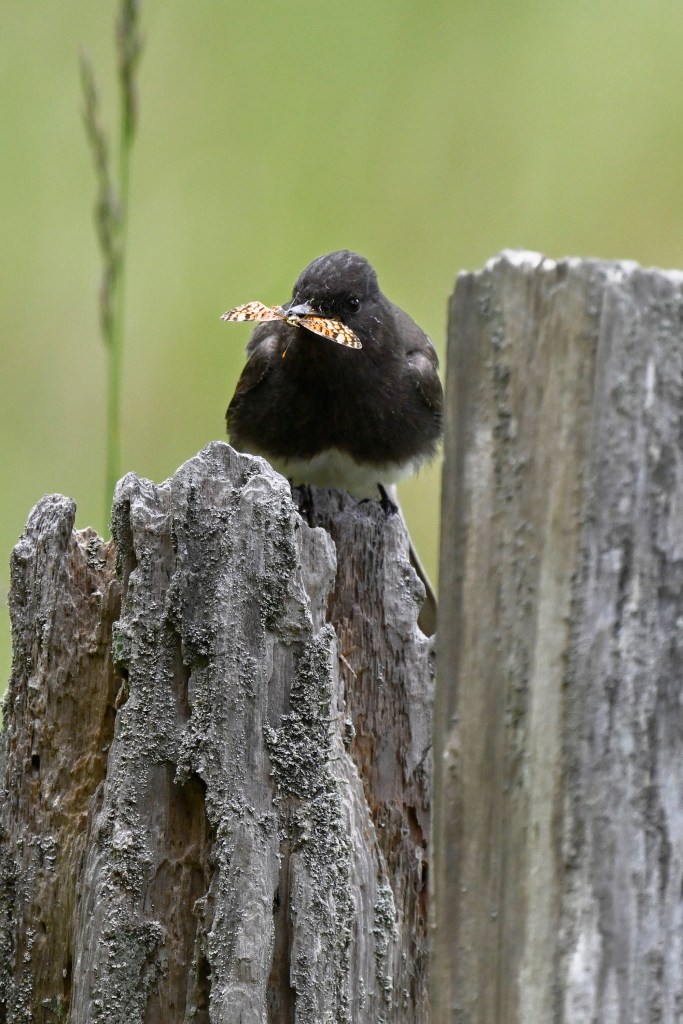
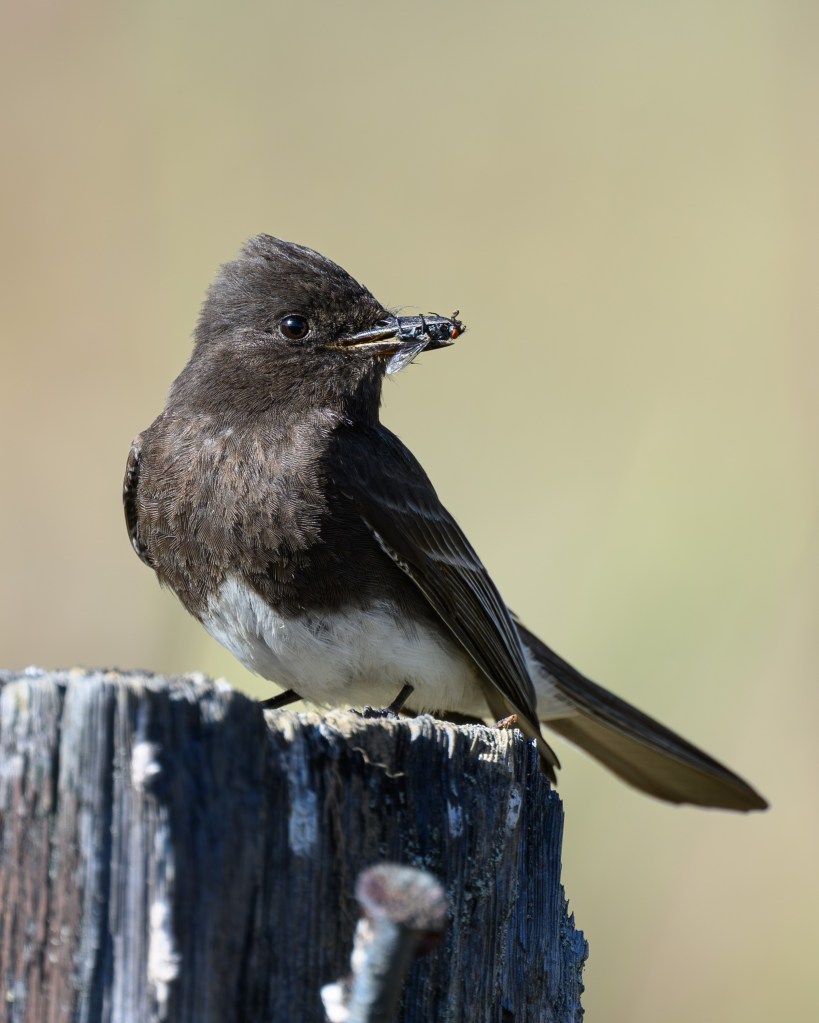
Pygmy NuthatchNorthern Rough-winged SwallowsMarsh WrenBarn SwallowBlack-necked StiltViolet-Green SwallowBrown PelicanRed-shoulder HawkWilsons Warbler I call him “The Padre”Fly-catcher extraordinaire, the Black Phoebe
Let’s start with the important bit – our trip to Texas to see my grandson was great.
He is incredibly cute and already showing signs of superior intelligence 🙂
For a 16-month old, he has incredible walking/running endurance and I look forward to hiking with him in nature in the future.
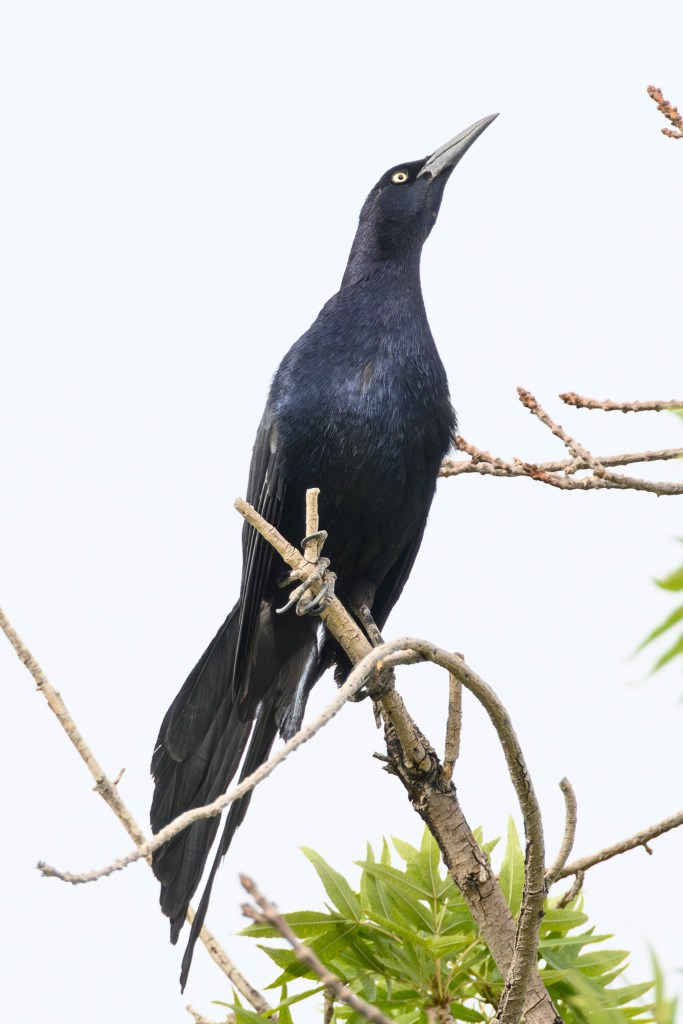
During our trip there, I saw a few “not in my backyard” birds – including the seemingly common Great-tailed Grackle. These Grackles, in my mind, are as numerous as California Scrub Jays – just sorta everywhere. But I don’t see them in the Bay Area nor in Gualala ! And man are they vocal.
Great-tailed Grackle
A Great-Tailed Grackle at a gas-stop in Arizona.
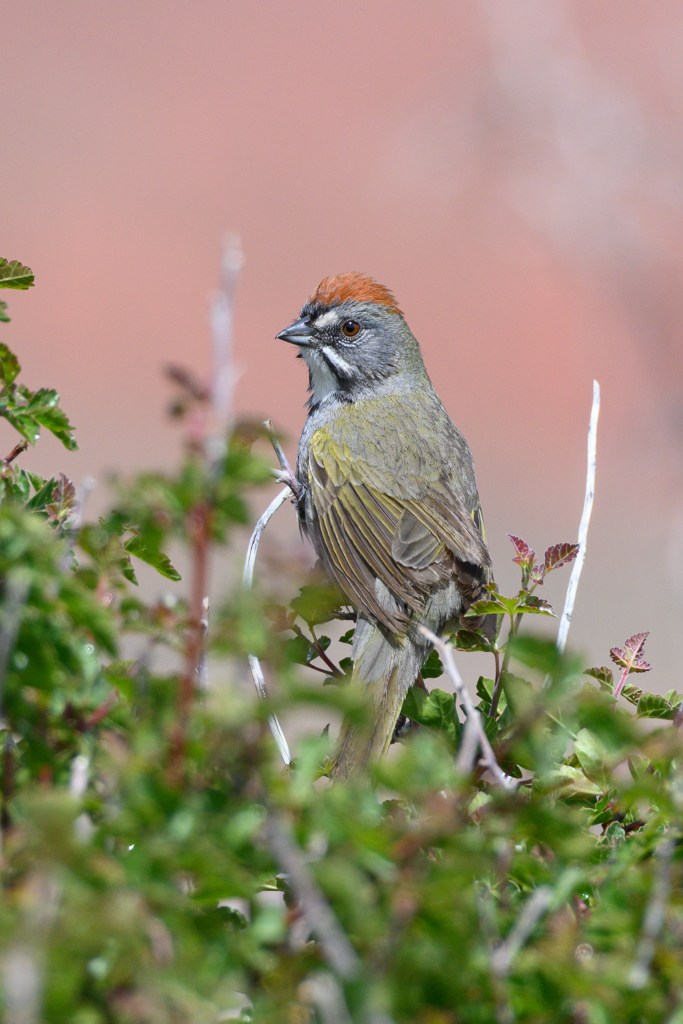
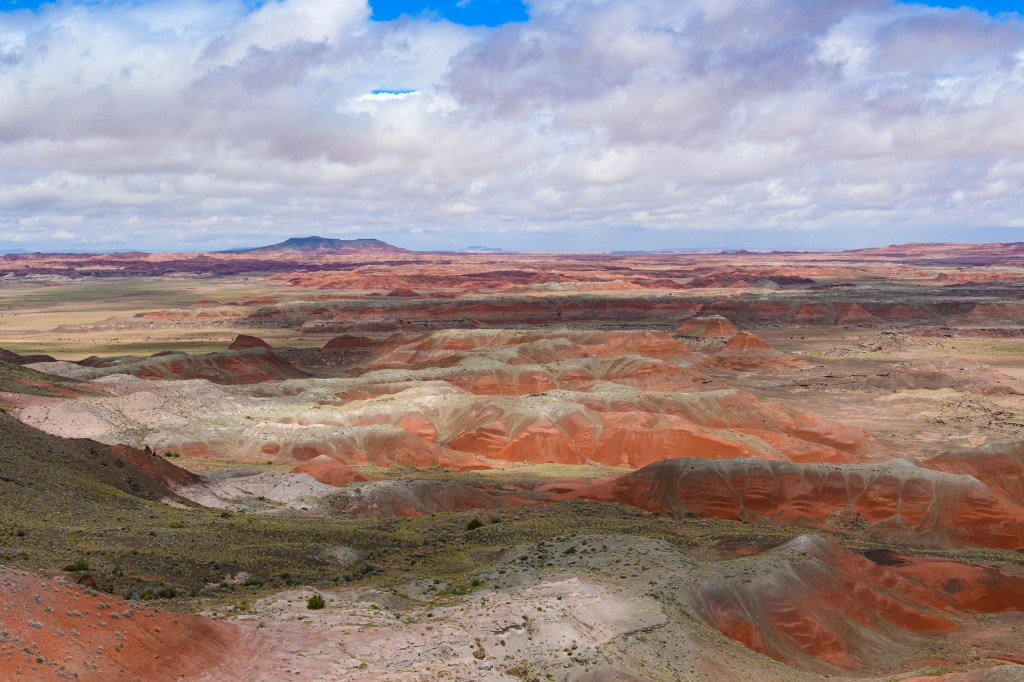
My first lifer of the trip showed up at Petrified Forest NP
#179 – Green-tailed Towhee
Green-tailed Towhee – Look at that mohawk !A portion of the Painted Desert in Petrified Forest NP
Waking up the next morning to continue our trip to my daughters, I found another lifer in the motel parking lot
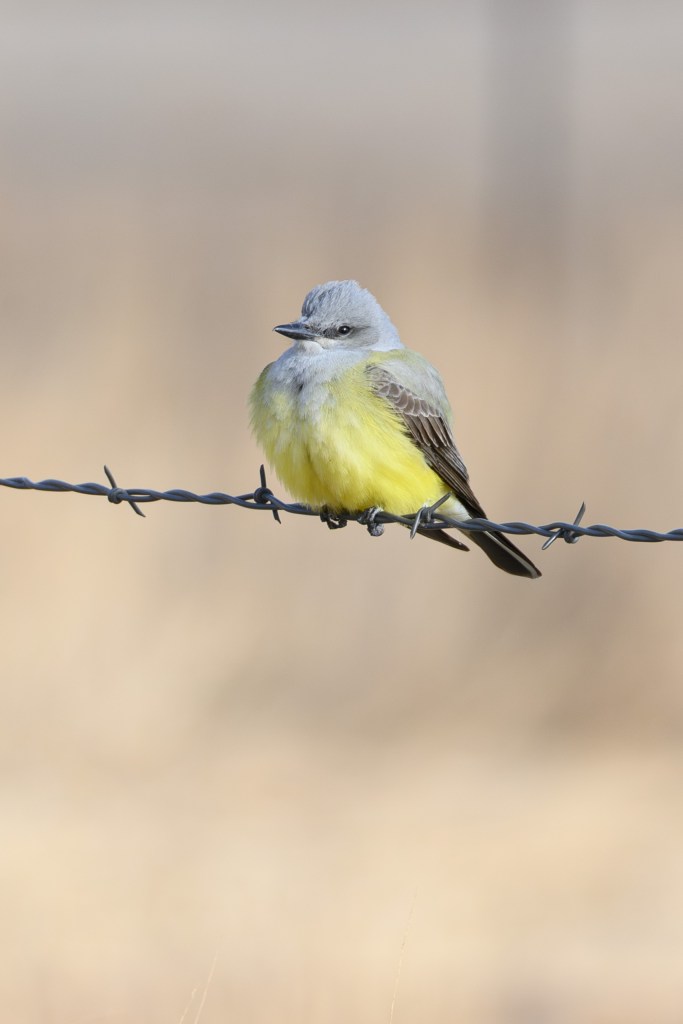
#180 – Western Kingbird
Western Kingbird – it was cold outside this morning, but not *that* cold !
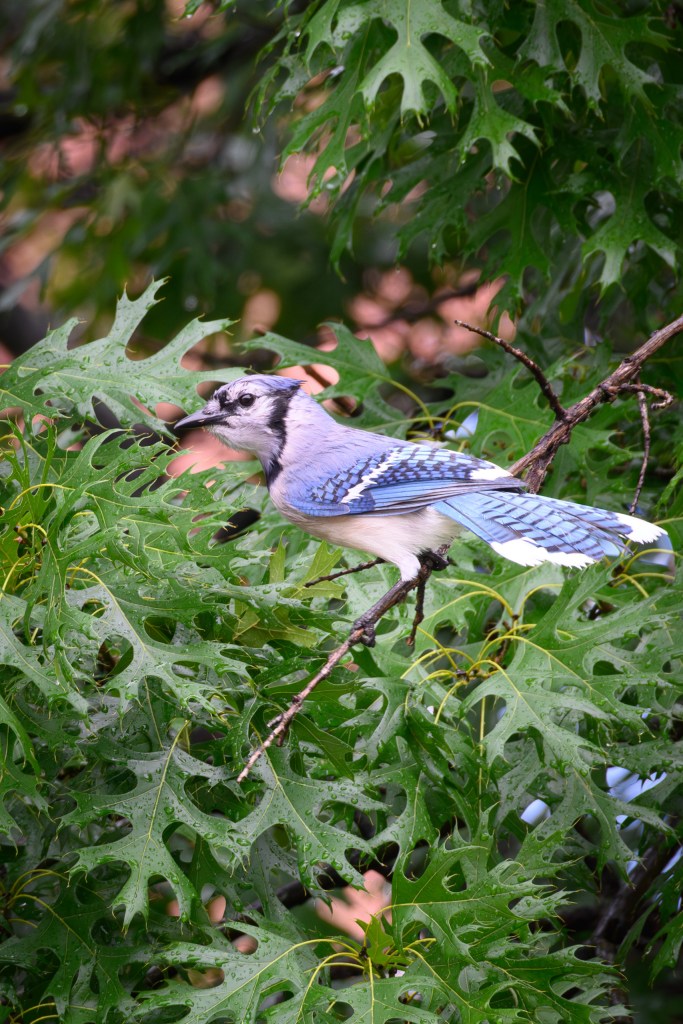
When we arrived at my daughters house, I saw a few of the unique birds to the area I saw for the first time last year, including the Blue-jay and Northern Cardinal.
Blue Jay
I also caught two more lifers in my daughters front-yard
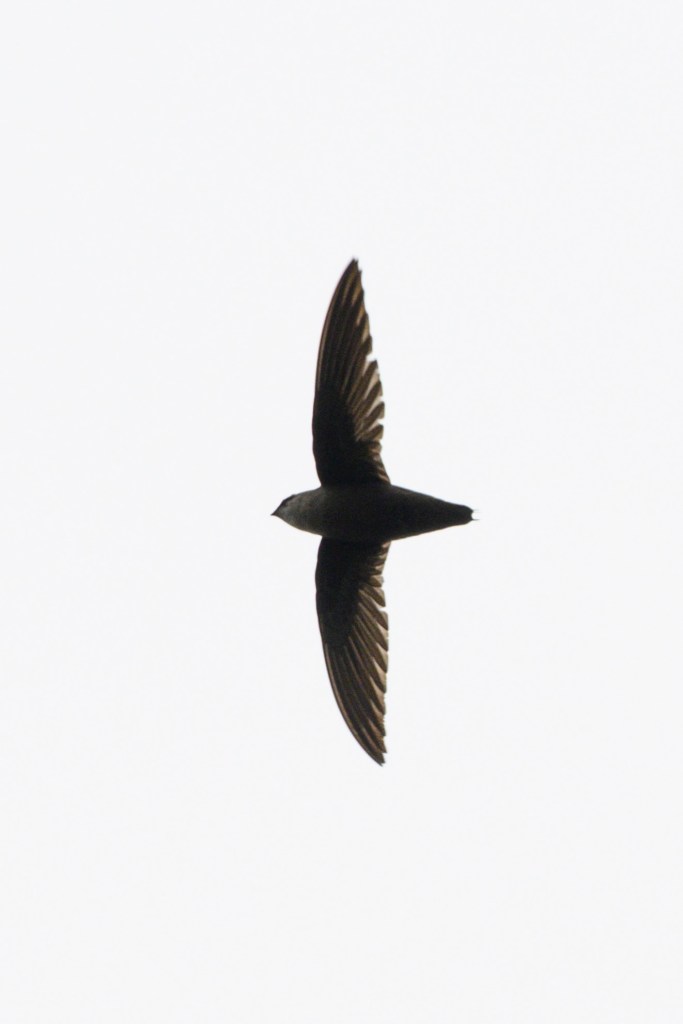
#181 – Chimney Swift
Chimney Swift – many of them flying over our heads
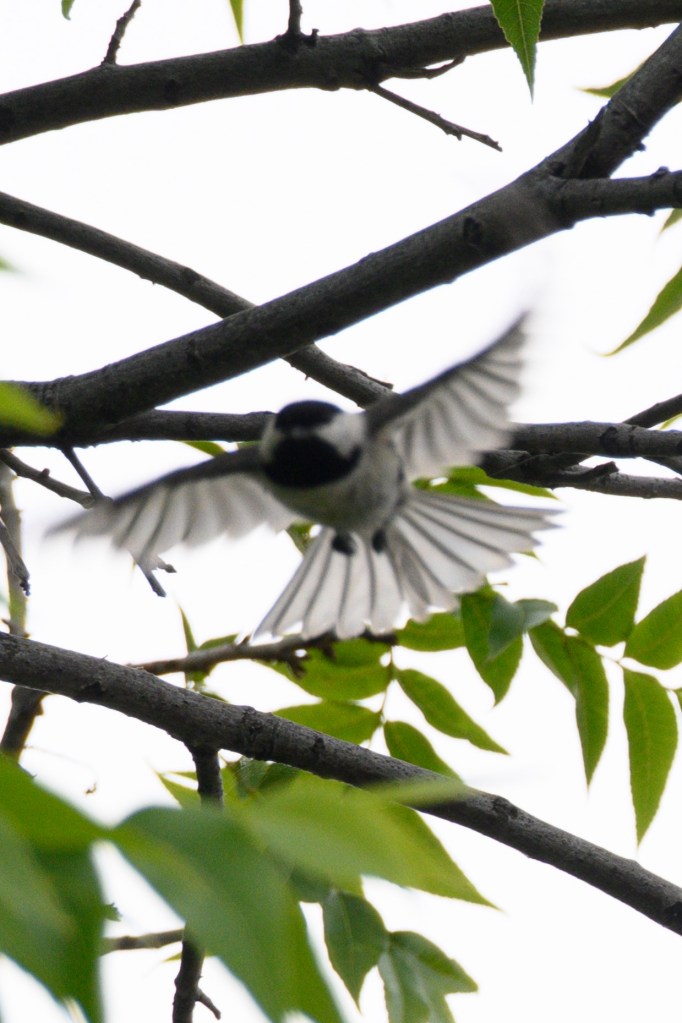
#182 – Carolina Chickadee
Carolina Chickadee – I spent so much time watching him I waited until the absolute last minute to take a photo.
On our way home, DeeDee graciously allowed me to visit one of New Mexico’s biggest birding spots – Bosque-del-apache. Unfortunately, the way the driving went we arrived at 4pm – and it was hot and bright outside. Not usually the best time for birding – but the visitor center ( closed when we arrived by 5 minutes !) was clearly setup for birders. Numerous feeders were setup in the visitor center which kept some birds around. I honestly could have spent the entire 3 hours we stayed at just the visitor center birding – but we did manage to do a drive around the south loop of the park. I will have to come back next year at a better time of day and to do both loops.
I generated exactly 10 new lifers – and those are birds I actually photographed as new. I was running the Merlin Bird ID app – I could have added at least another 10 birds had I been able to see / photograph them.
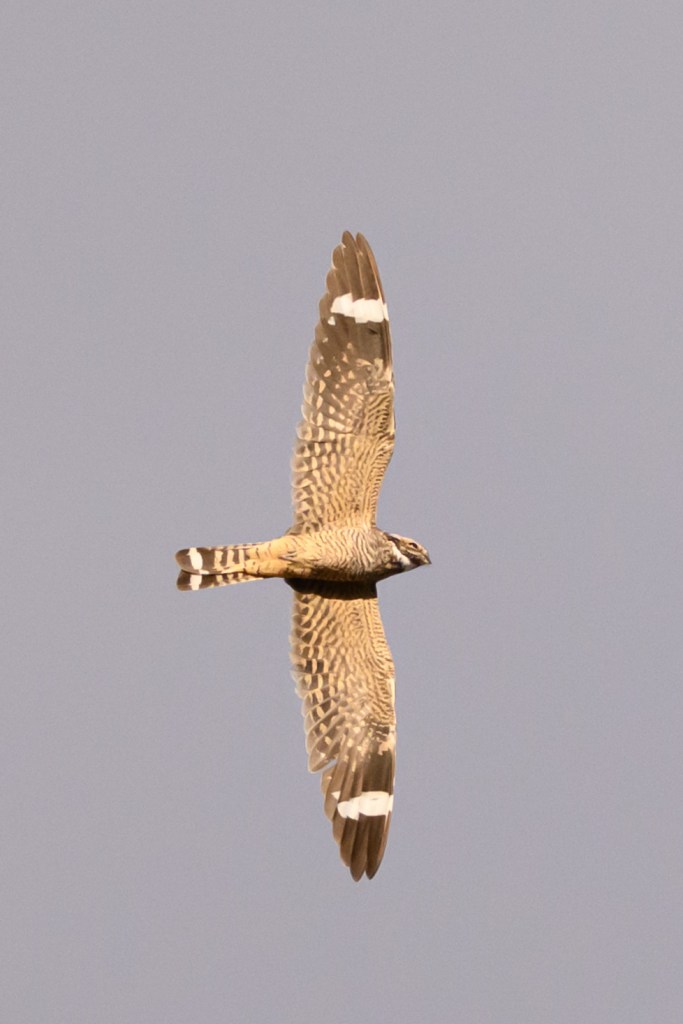
#183 – Lesser Nighthawk
Lesser Nighthawk
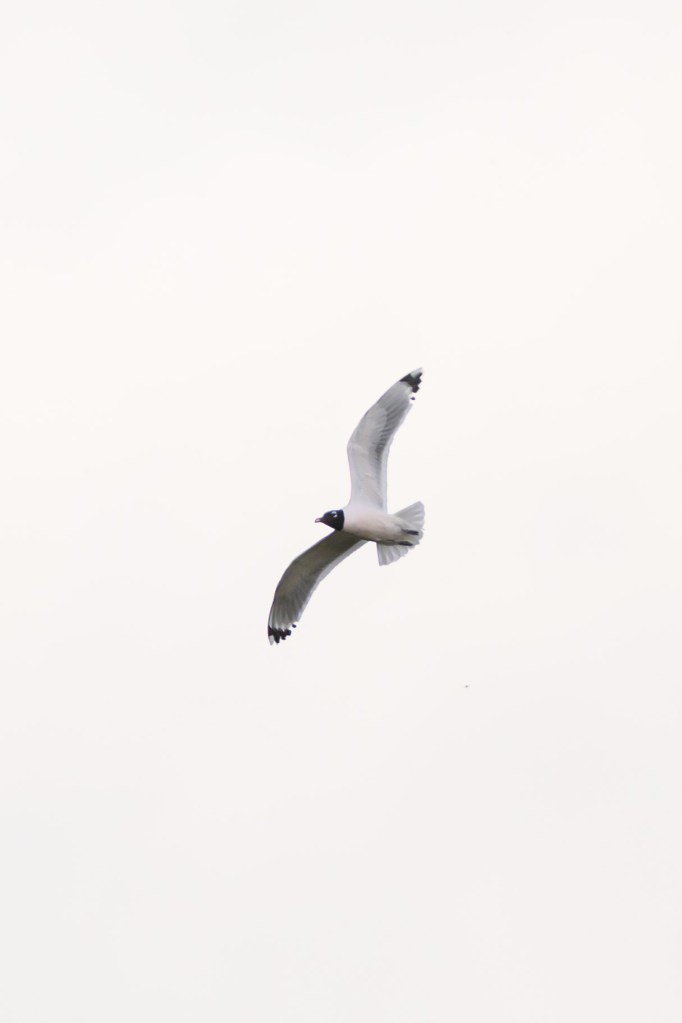
#184 – Franklin’s Gull
Franklin’s Gull
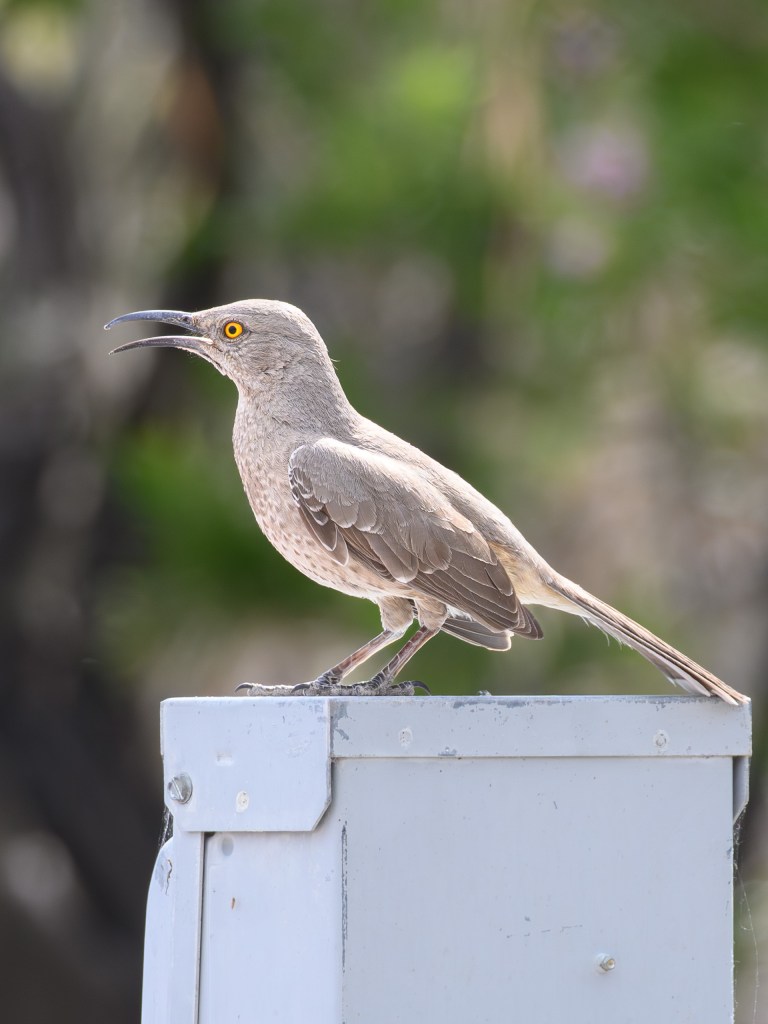
#185 – Curved-bill Thrasher
Curved-bill Thrasher
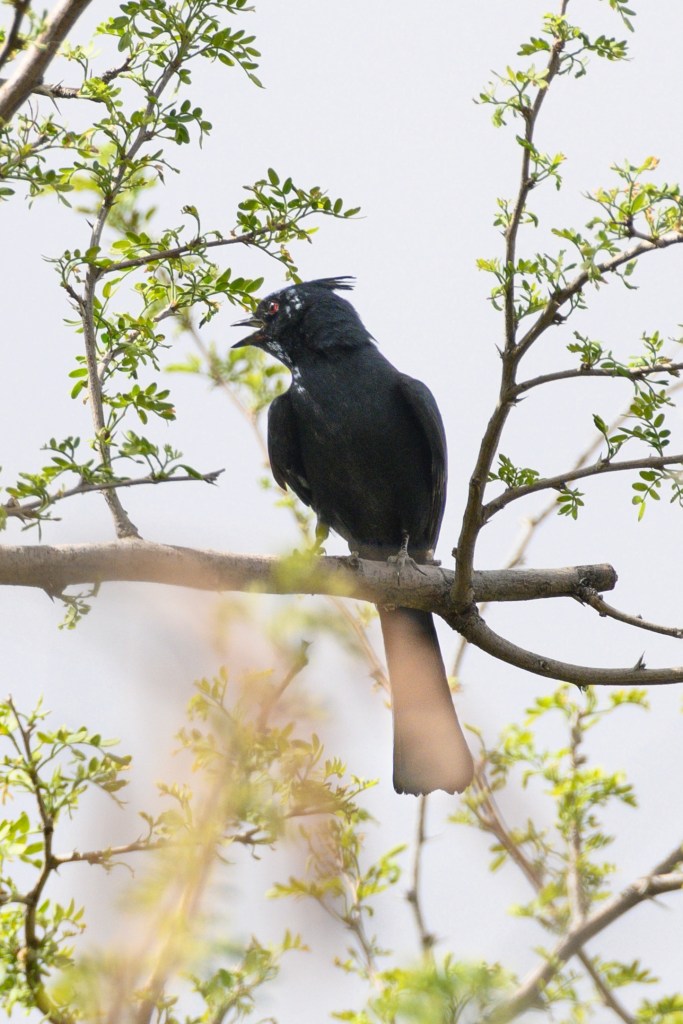
#186 – Phainopepla
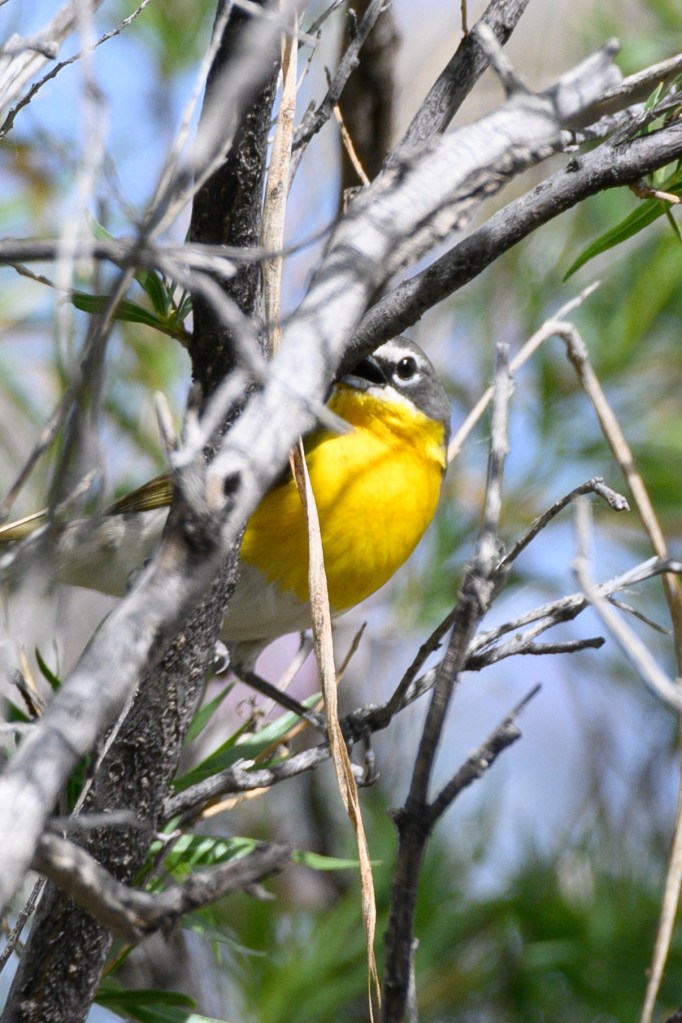
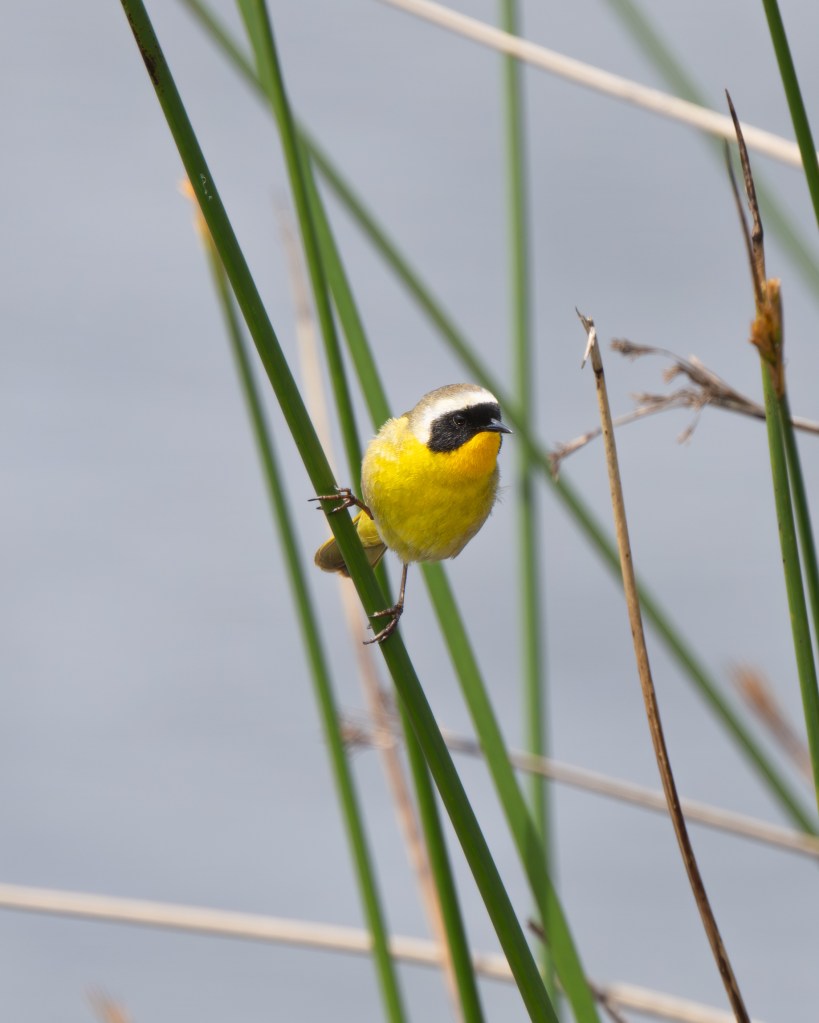
#187 – Yellow-breasted Chat
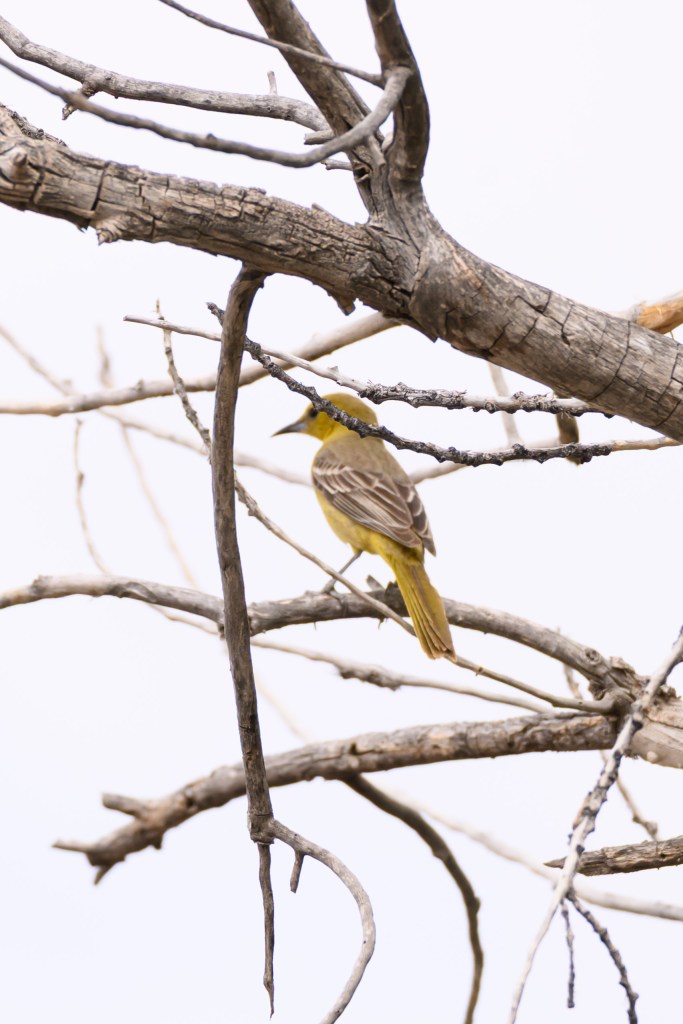
#188 – Hooded Oriole
Terrible photo – but evidently pretty rare in this area. This female has been known to hang-round the visitor center.
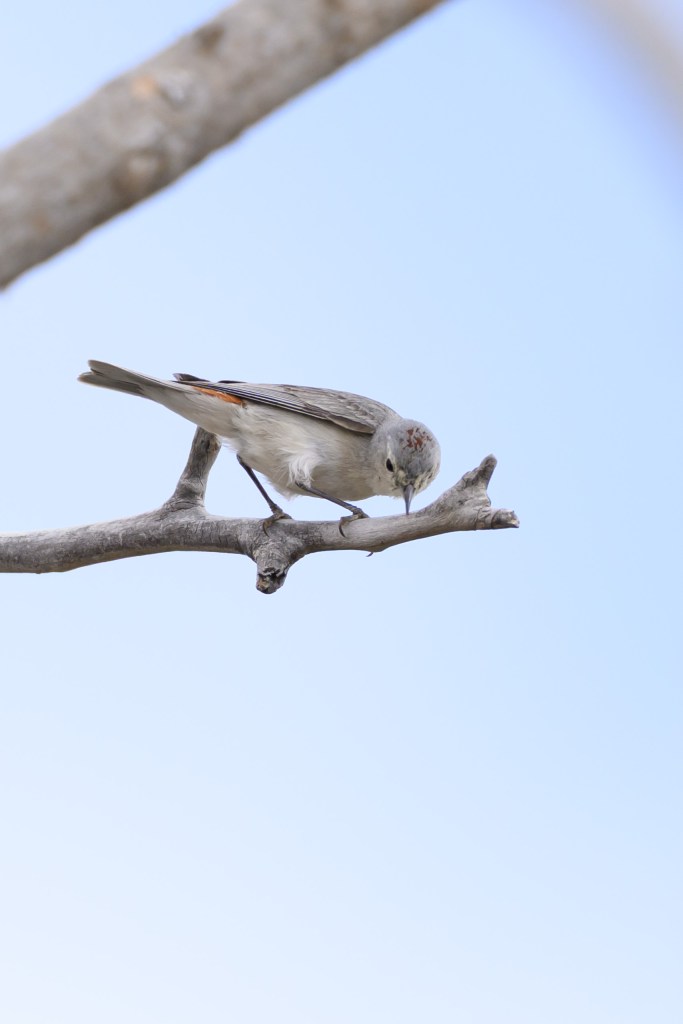
#189 – Lucy’s Warbler
Lucy’s Warbler – notice the patches on her head.
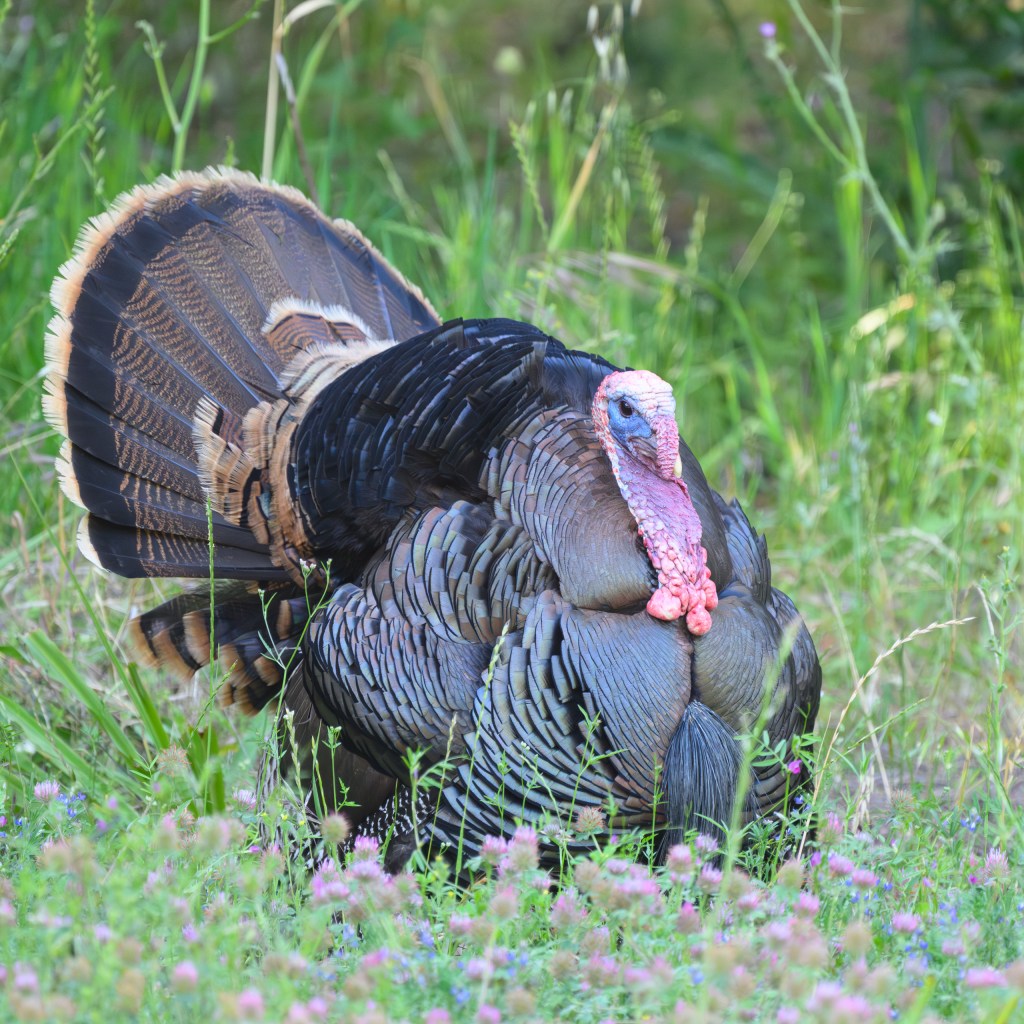
#190 – *Wild Turkey
I’ve clearly had Wild Turkeys captured in the past, but somehow never counted. The image was taken in the Bay Area the week before my trip – however, we did see two females on the Bosque del Apache south loop.
#191 – Wilson’s Phalarope
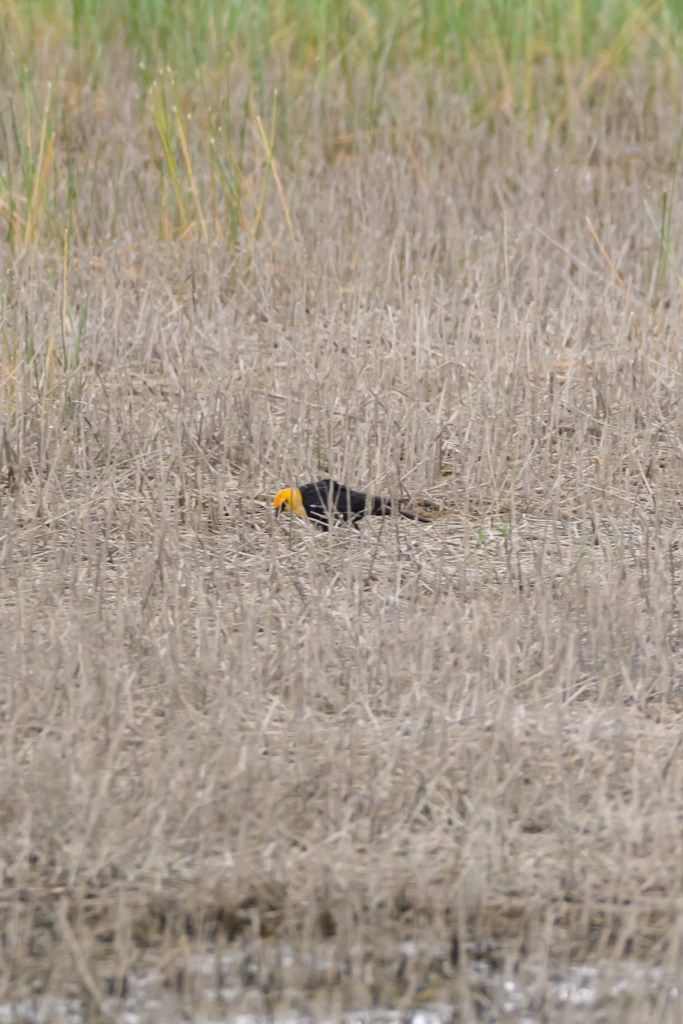
#192 – *Yellow-headed Blackbird
I’m not sure if this counts – I didn’t actually see the bird while birding, but rather saw it as I was reviewing my photos from the trip. He was out by some egrets. Let me know if you would count him as a lifer.
Overall, we had a great trip seeing my grandson. Lots of driving – this is the second year we’ve driven and I think next year we may fly. 🙂
Every 1-2 months, DeeDee and I come back to the bay area to do certain up keeping – haircuts, dental appointments etc. This time we’re getting ready to spend a week on the road going to Dallas to see our grandson, Odin.
I’ve had a few days to do some birding in the area and have managed a few lifers locally.
I also went to my first birding festival with my step-daughter. Unfortunately for us, the festival activities filled up fast; we were “relegated” to a mostly marine-mammal activity with some birding.
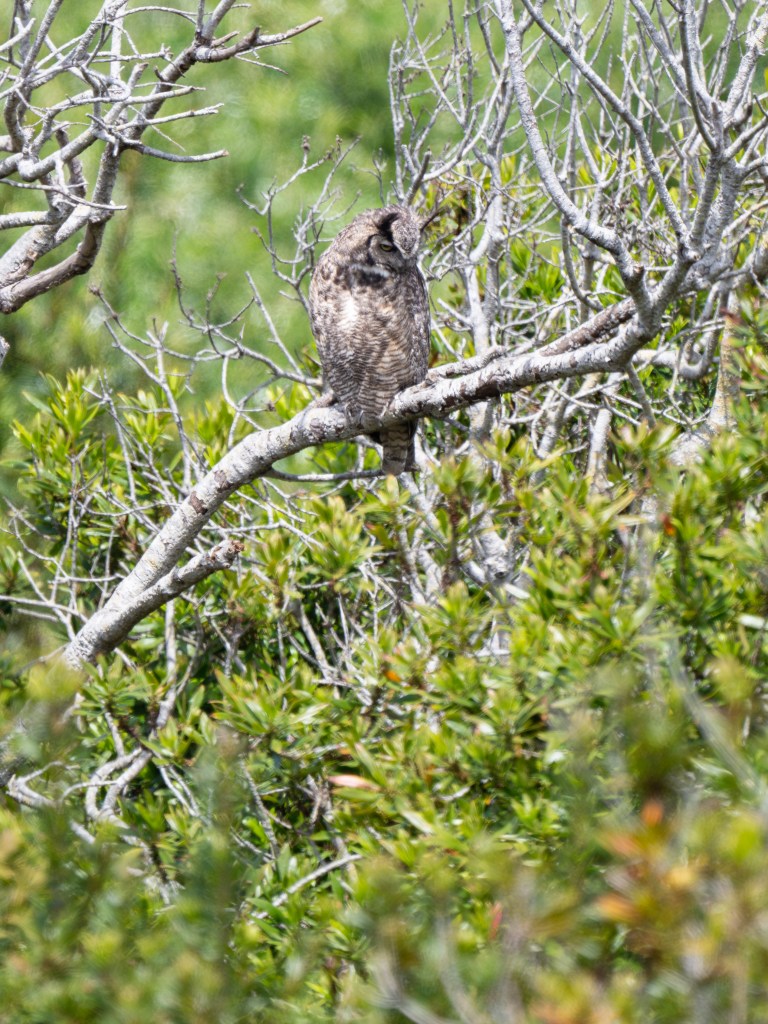
Well, within a minute of entering Point Reyes for the festival, we were greeted by a Great-Horned Owl; it’s been a couple of years since I’ve seen any owl and it was an incredibly exciting welcome to the park. I think if he was all we saw all day, I would have been satisfied.
Welcome to Point Reyes, bitches
We reached the lighthouse where our group started. Our leader Chris quickly took us to an overlook to see an uncommon visitor – a Steller Sea Lion. We saw at least three individuals, and these were BIG BOYS.
Which one of these sea lions is not like the others?
While our leader, Chris, was a good birder … the rest of the group seemed pretty quiet. Luckily, I have a lot of recent Gualala California birding experience and I started naming out species at the lookout.
We saw Pigeon Guillemots, Double-breasted and Brandt cormorants, numerous gulls ( Western Gull was my only positive i.d. ) and … at our first location, a few dozen Common Murres. Jessica helped spot White-crowned, Golden-crowned, Song and Savannah Sparrows along with calling out our first Northern Harrier and Red-tailed Hawk.
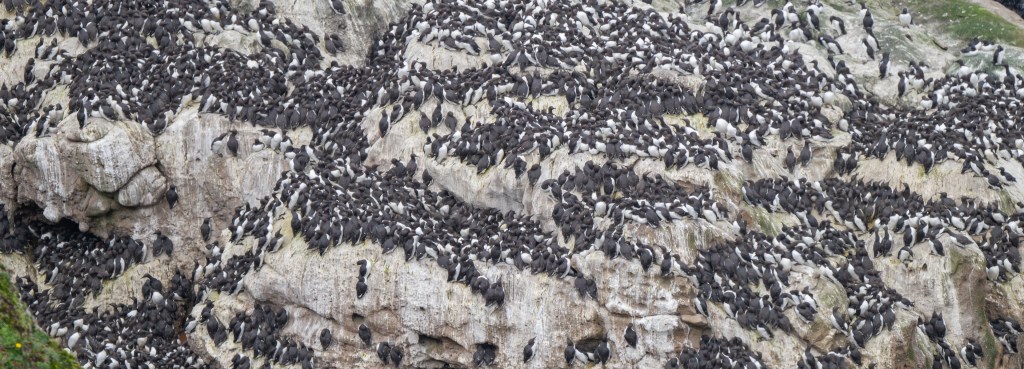
We moved closer to the lighthouse where we saw an absolutely epic colony of Common Murres. I mean, it was RIDICULOUS.
A *snippet* of the Common Murres
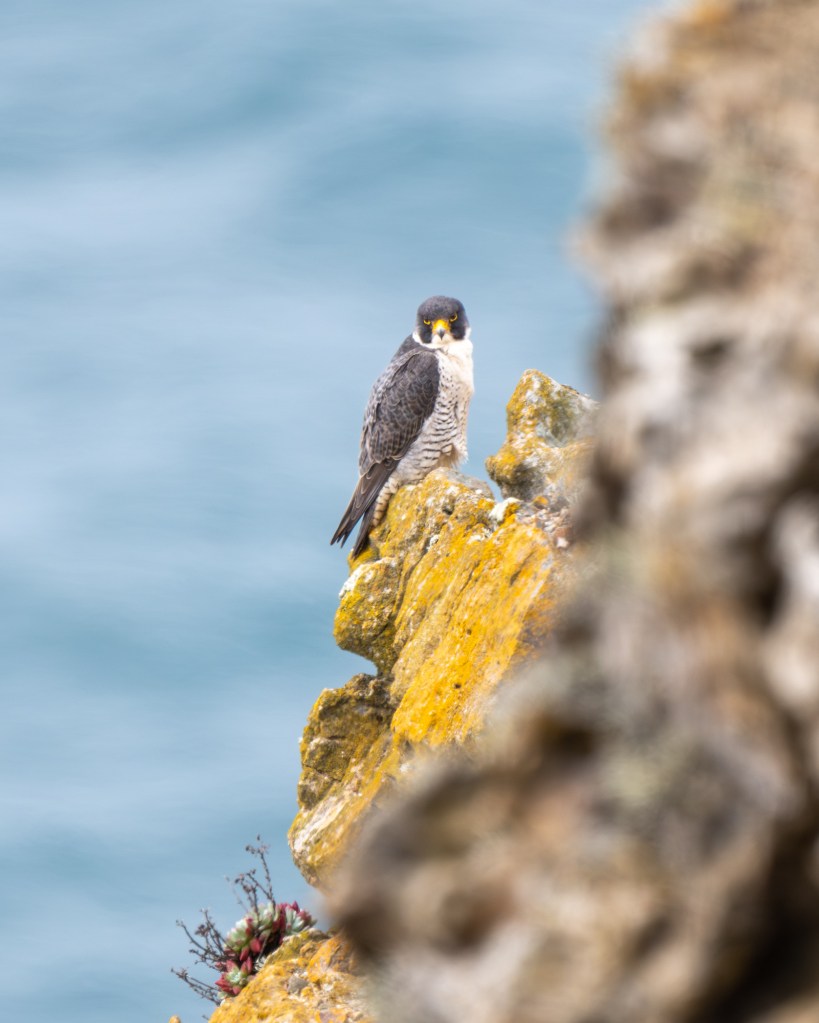
Around the corner from the Murres, we saw a nesting Peregrine Falcon. My supposition is that the falcon chose his location next to the supermarket of Murres.
Life is good when a colony of 12,000 Murres is the next isle over.
We continued to see various marine mammals when Jessica quietly said, “Whale.”
Then louder… “WHALE !”
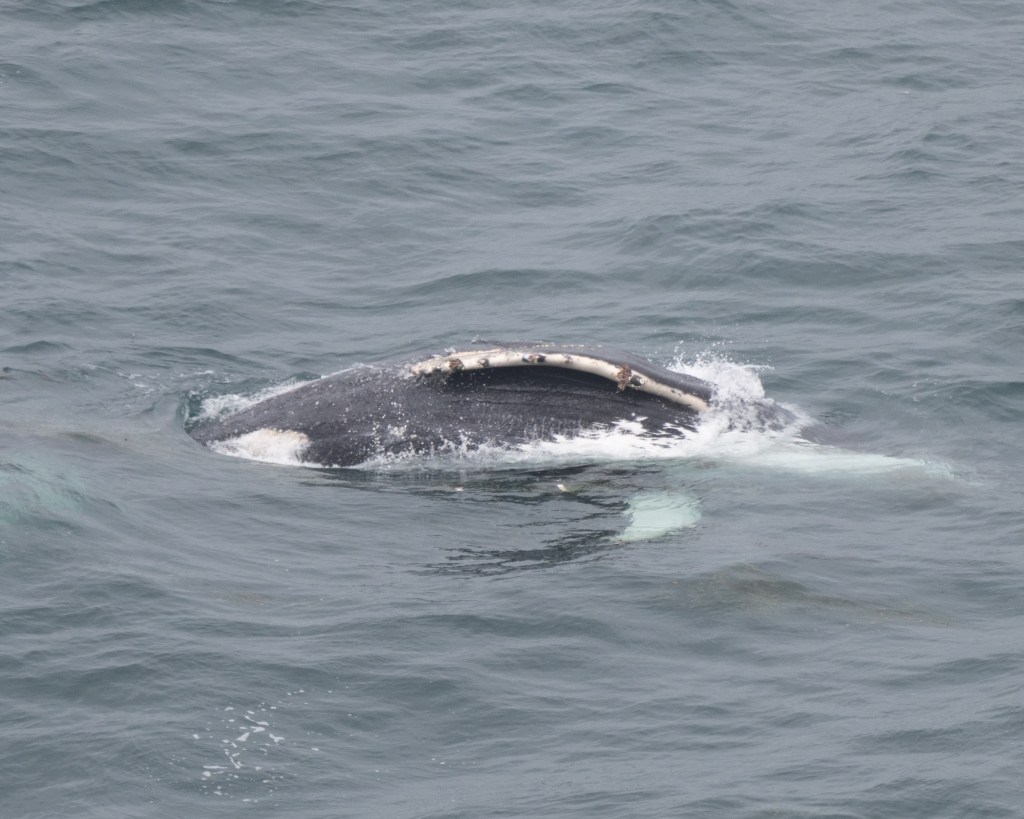
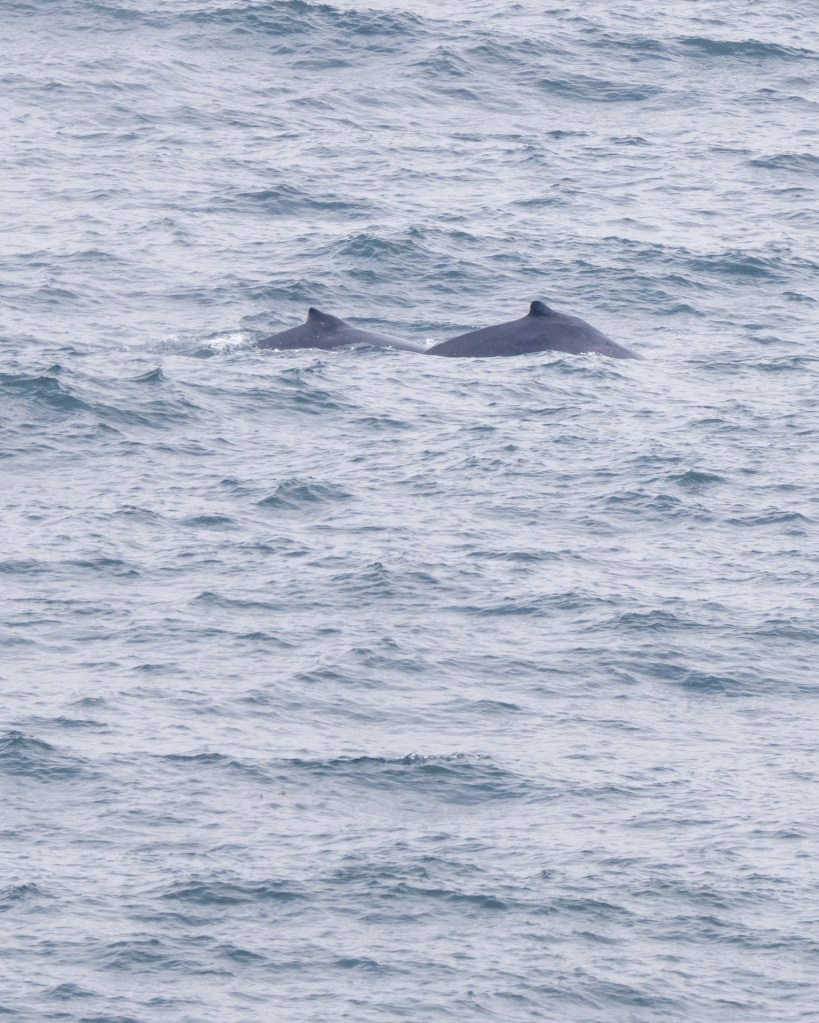
Right below our feet, a humpback calf and her mother leisurely swam below. Wow!
Mother humpback whaleMom and calf further out to sea now
The 4 hours with our group quickly came and went – it was a good time. We saw some more marine mammals and a few more bird species. The group as a total came up with just shy of 20 species.
Jessica and I wanted more bird species, so we agreed after leaving the group to do some more exploring in the park.
At our next stop, we found Elephant Seal babies and a lifer for me,
#174 Common Yellowthroat
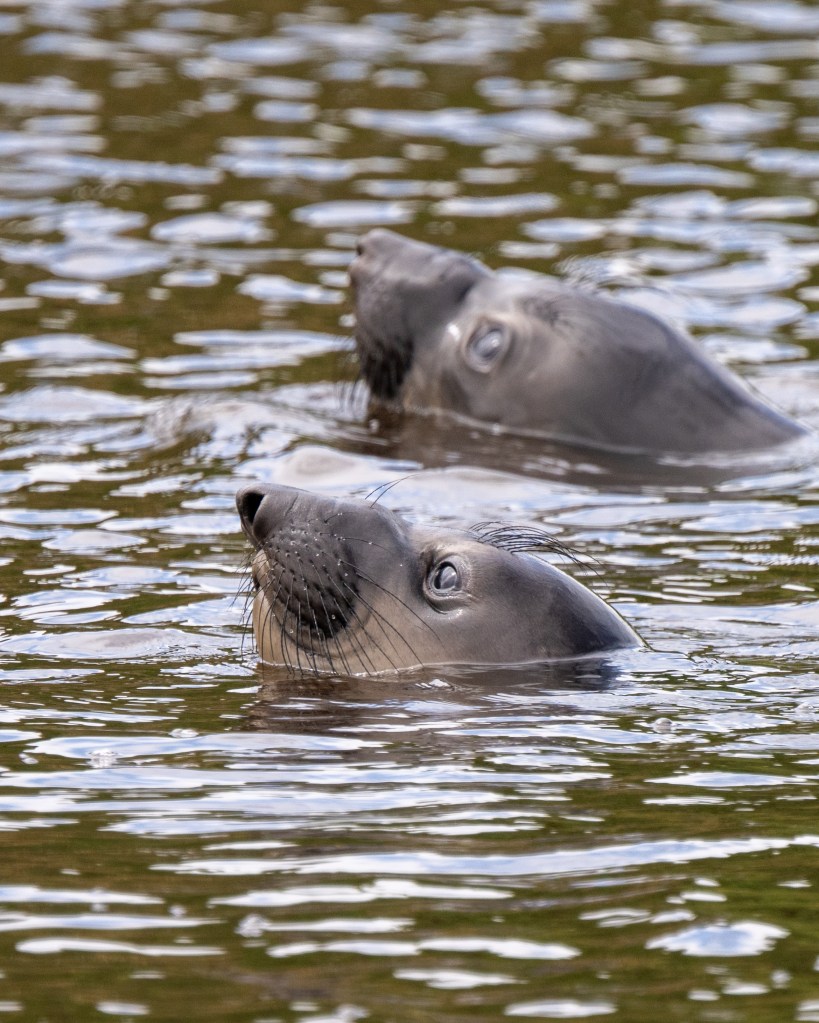
Elephant Seal…. babies ?!?Common Yellowthroat Looks like a Sloth to me.
We made one more stop in the park, and found a second Great Horned Owl !
We ended the day with exactly 40 unique species ( 2 new lifers for Jessica and the 1 for me.)
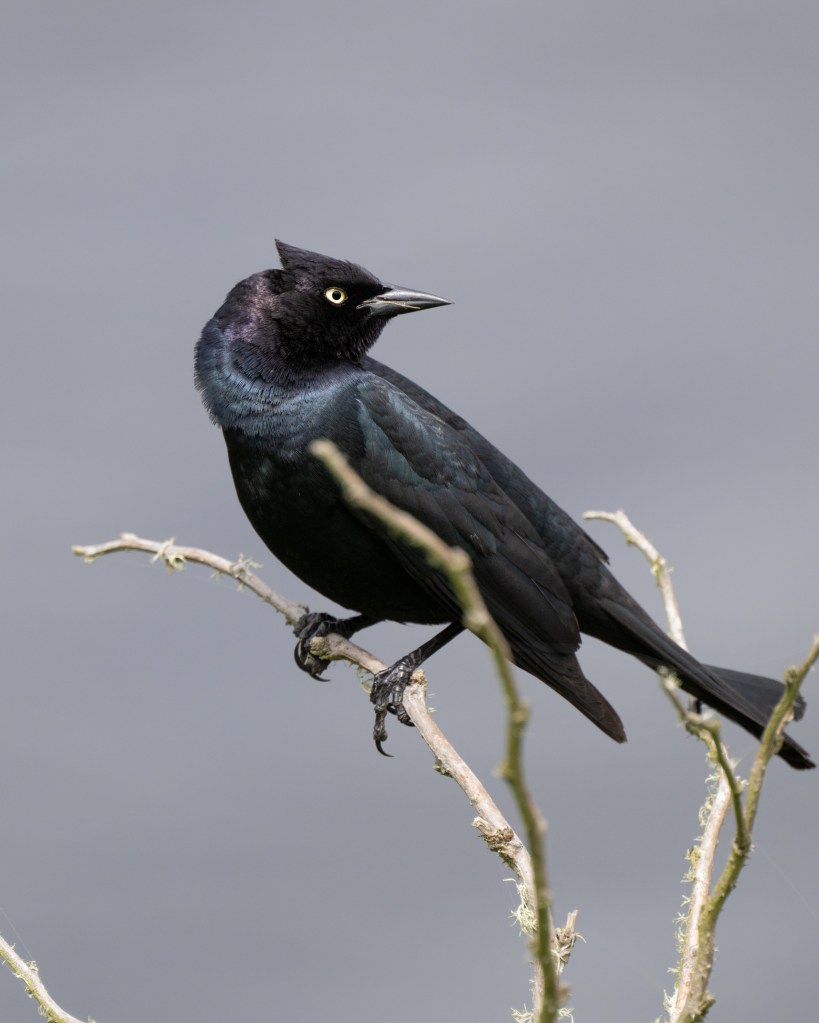
Another GOHOW !Brewers BlackbirdSnackI will never get tired of bird-pooping photos.
Closer to home, I’ve added two more lifers.
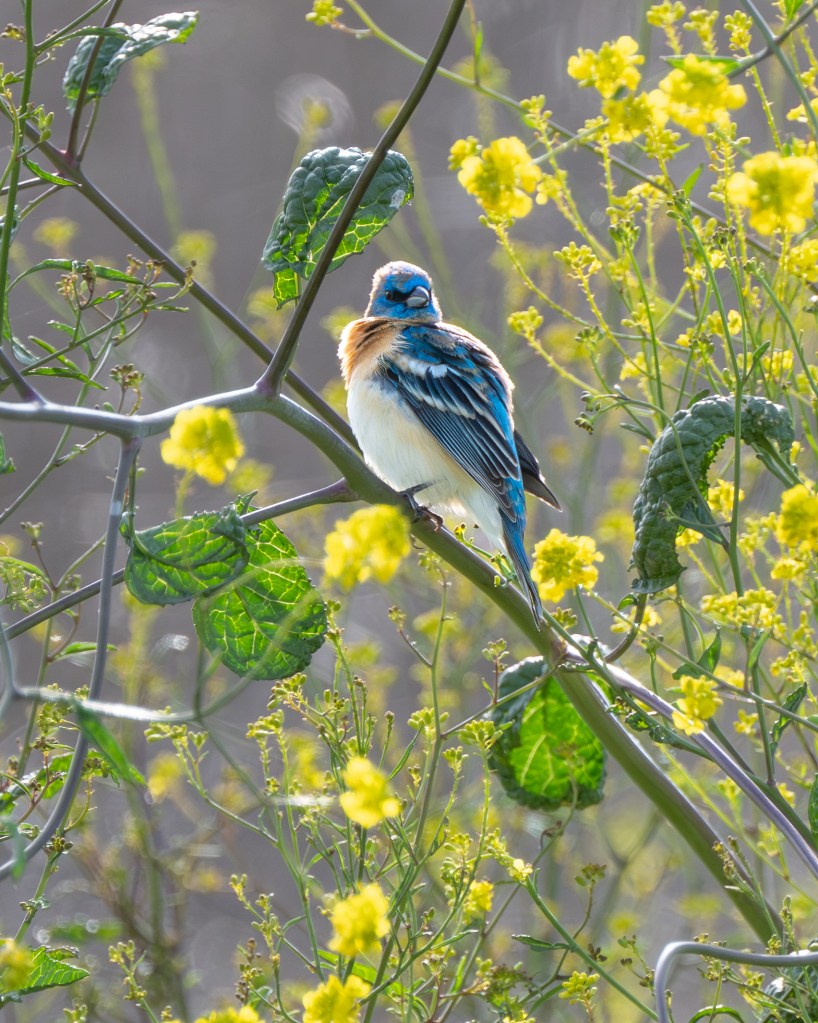
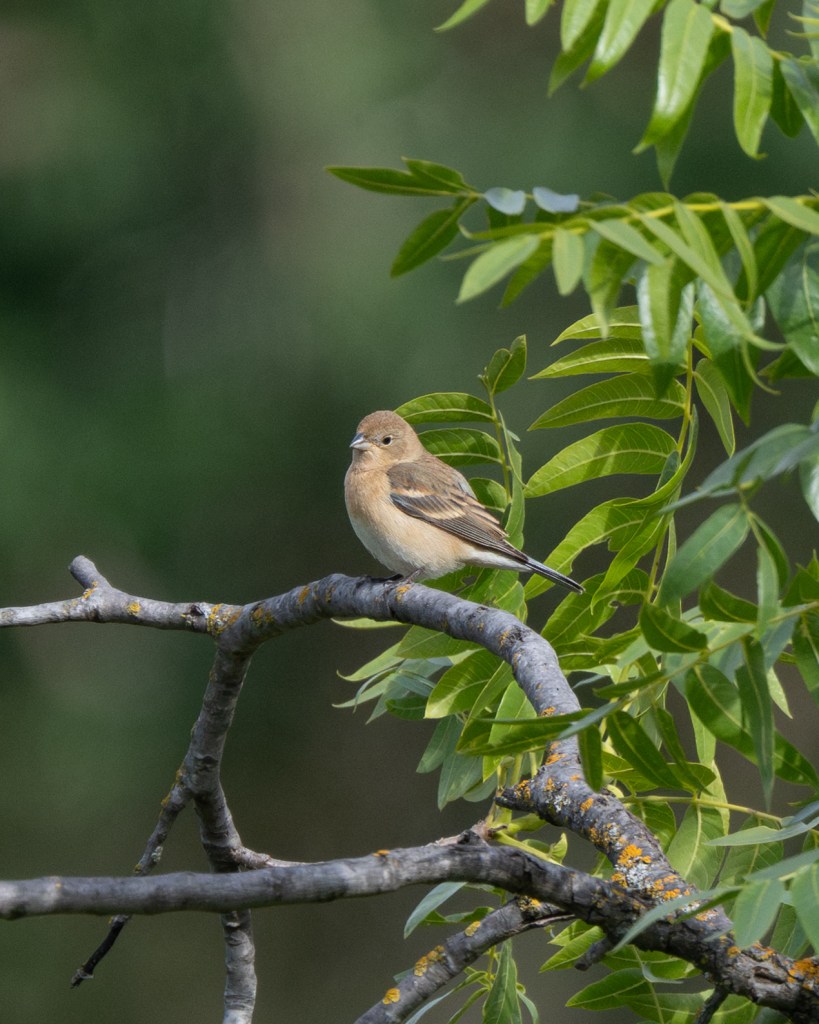
#173 – Lazuli Bunting
I have not got a great photo of this bird, but it is beautiful. I just need better light.
Lazuli Bunting
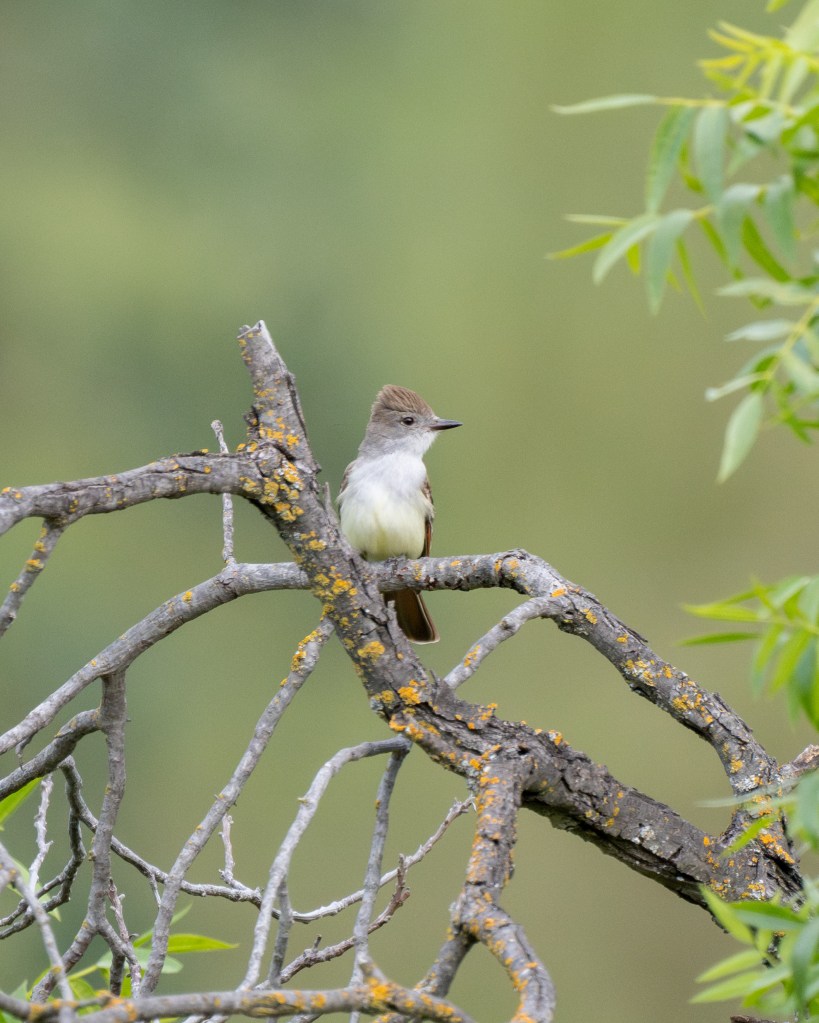
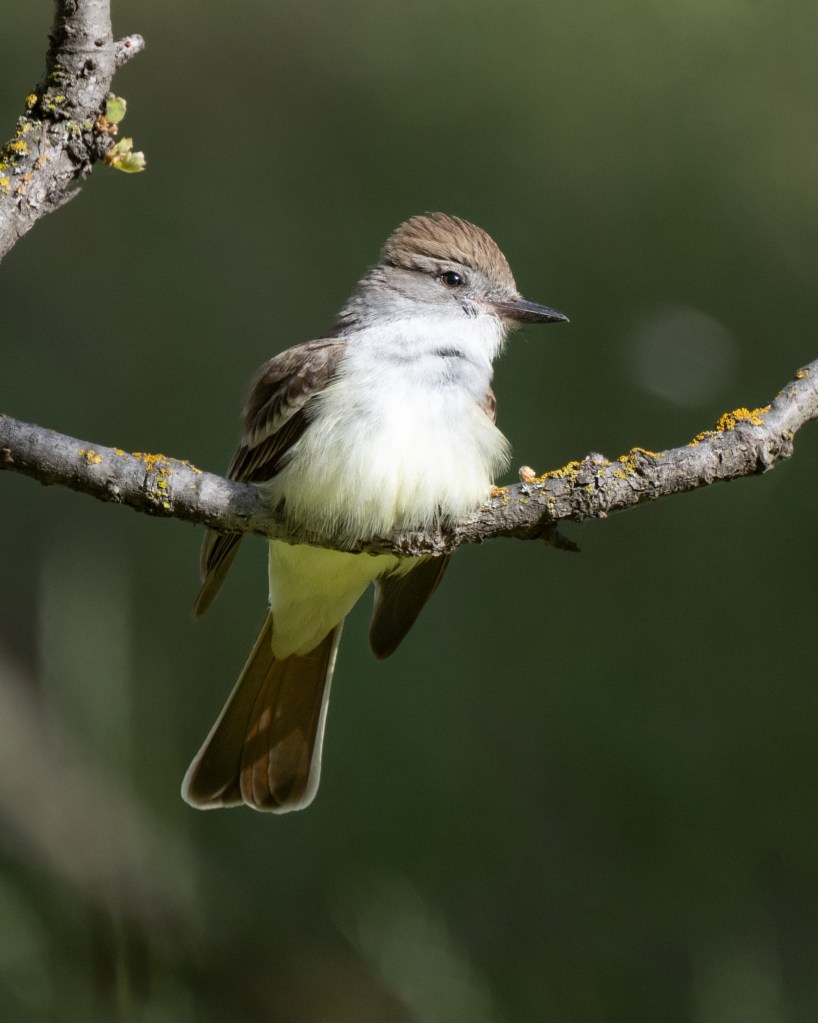
#175 – Ash-throated Flycatcher
Ash-throated Flycatcher
The last few-weeks have been good to me birding; I’ve been afraid that I’ve actually been over-birding. I’m going out 6 nights a week, every week the last couple of months. The results seem slow on the day-to-day, but the broader view is very good for this year.
Looking forward to seeing Odin ( and seeing some eastern birds !)
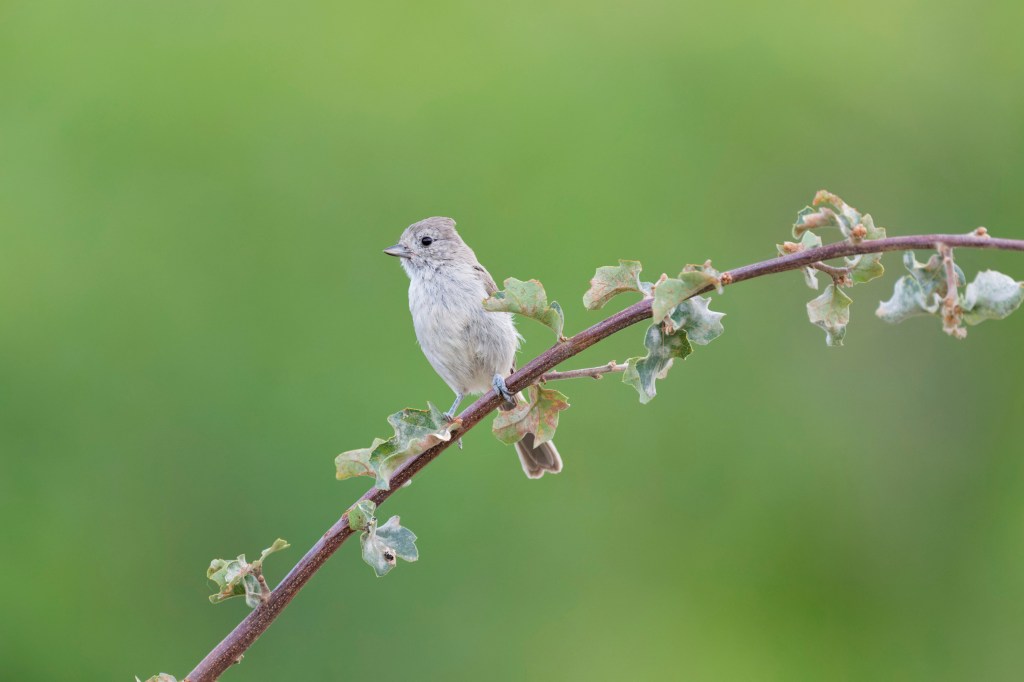
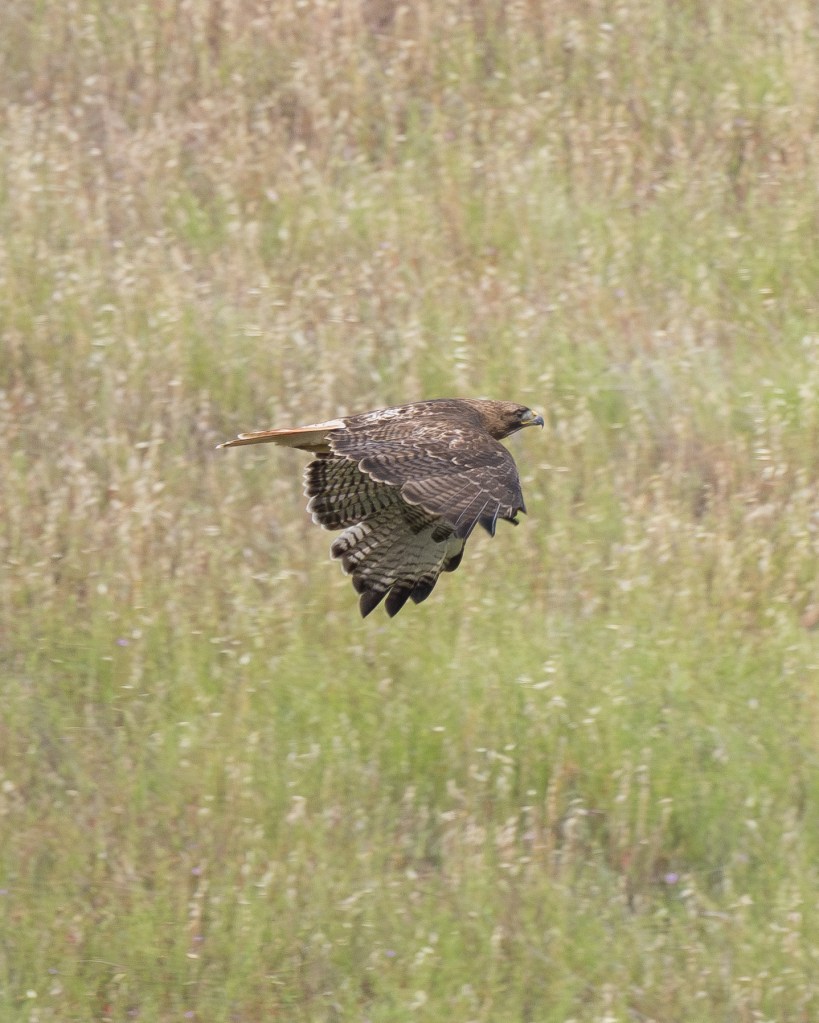
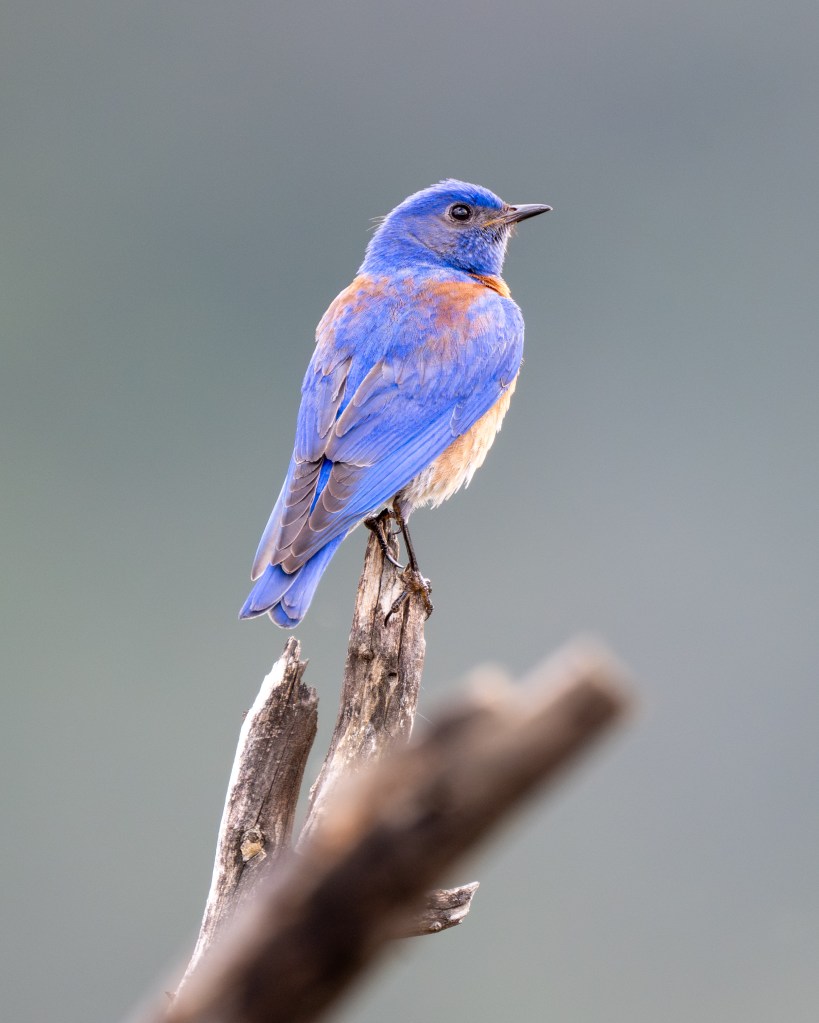
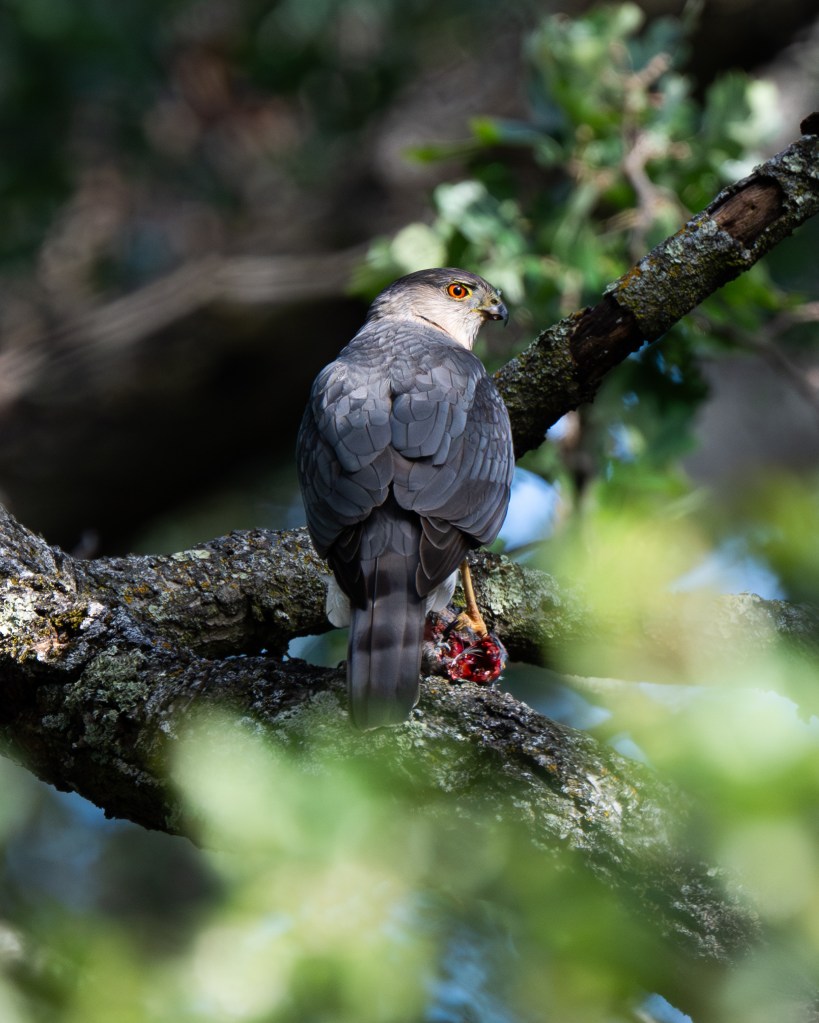
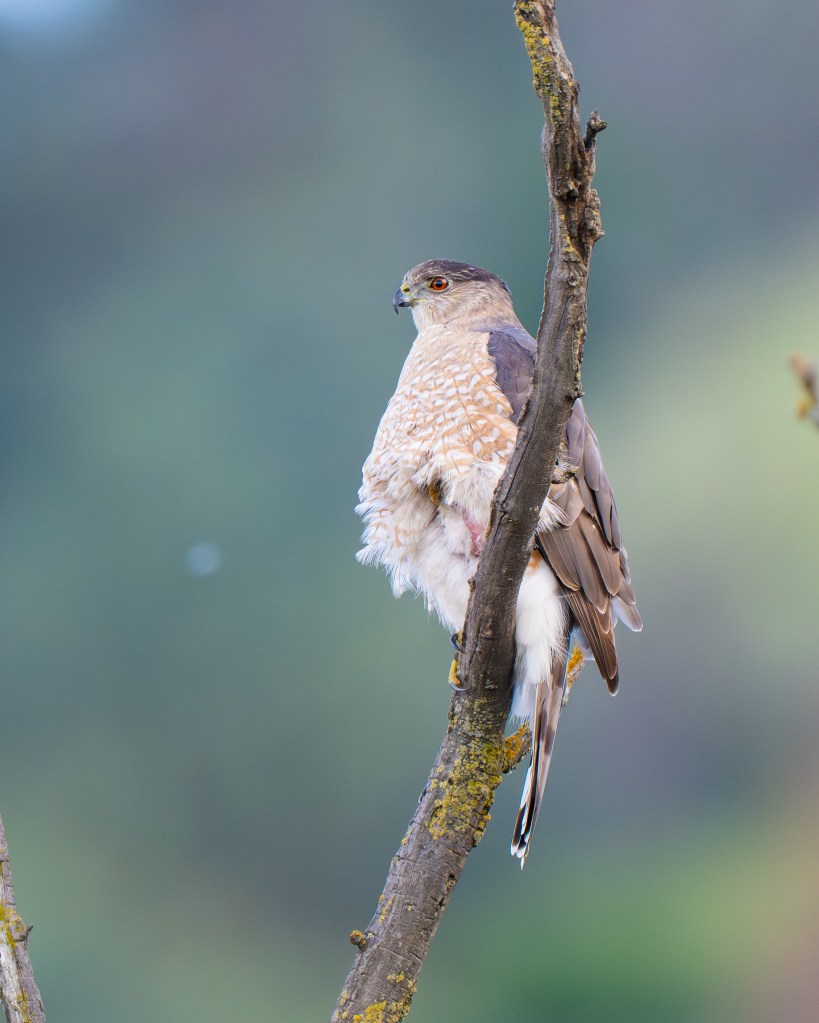
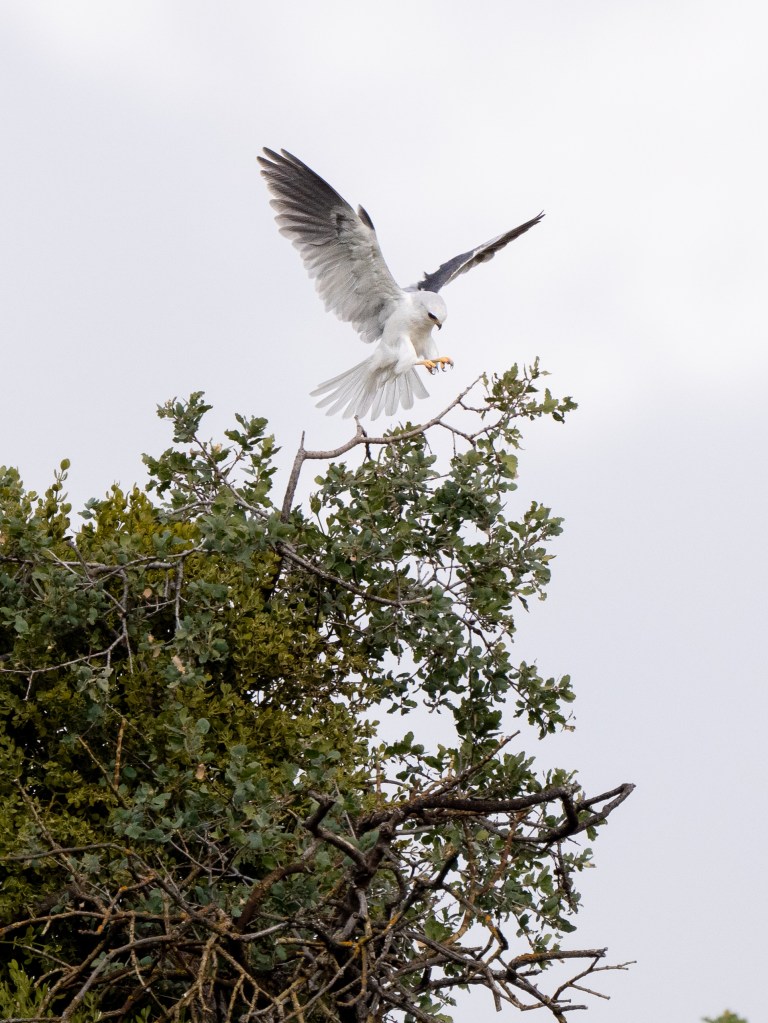
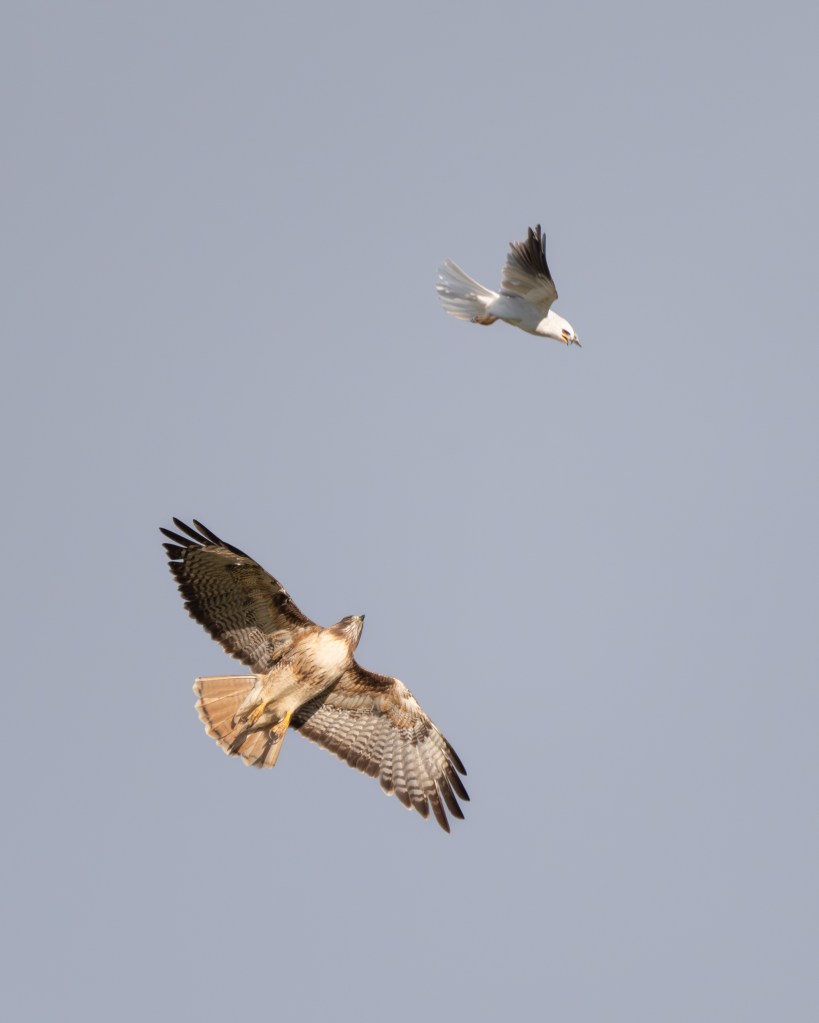
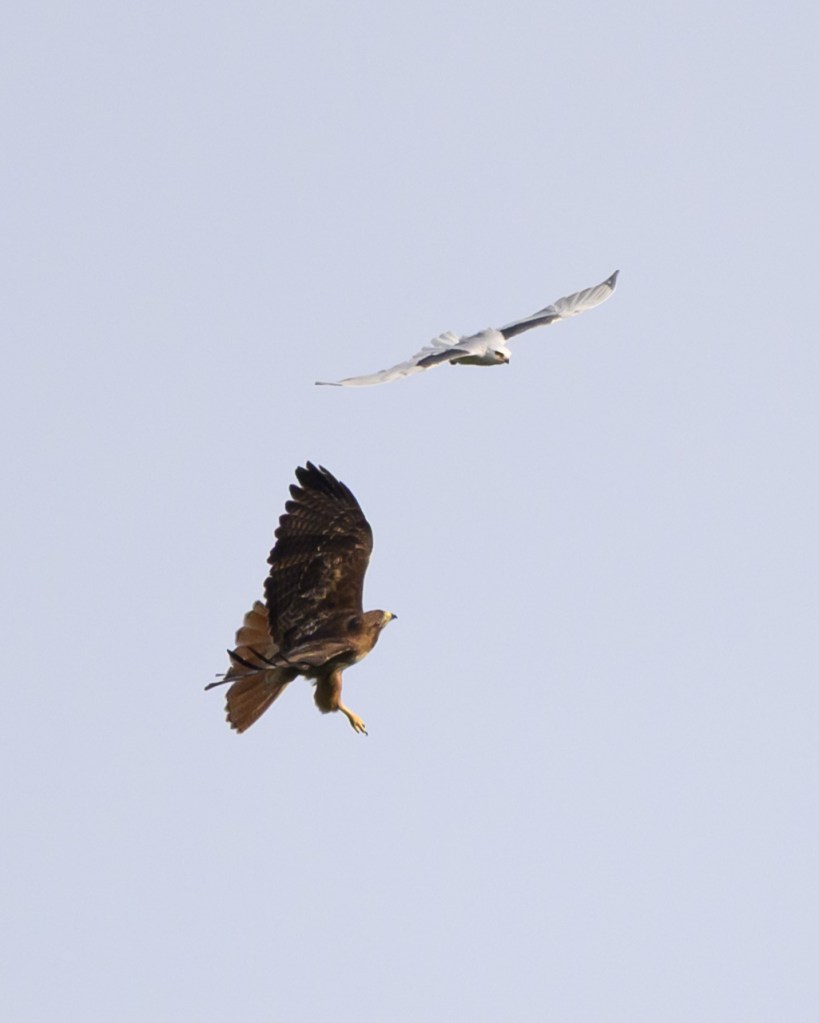
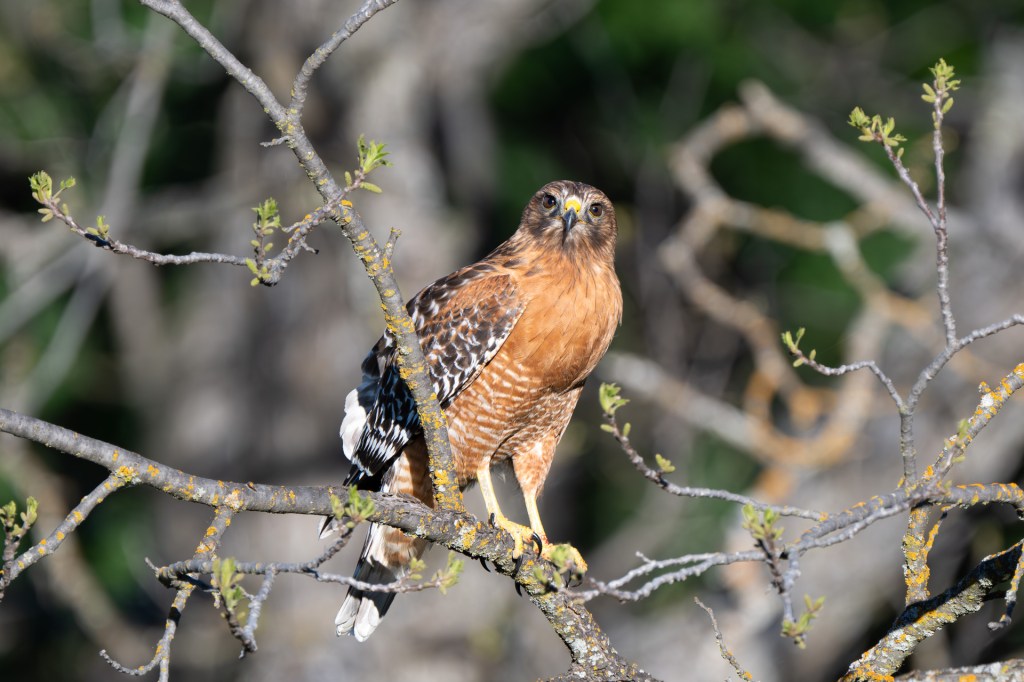
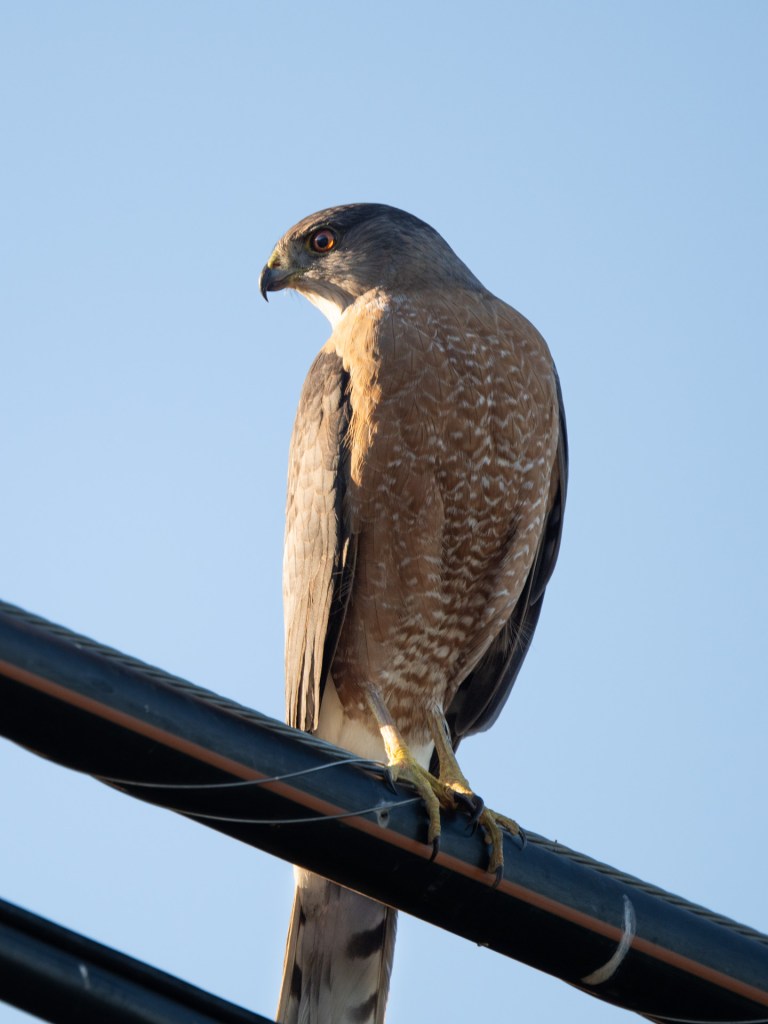
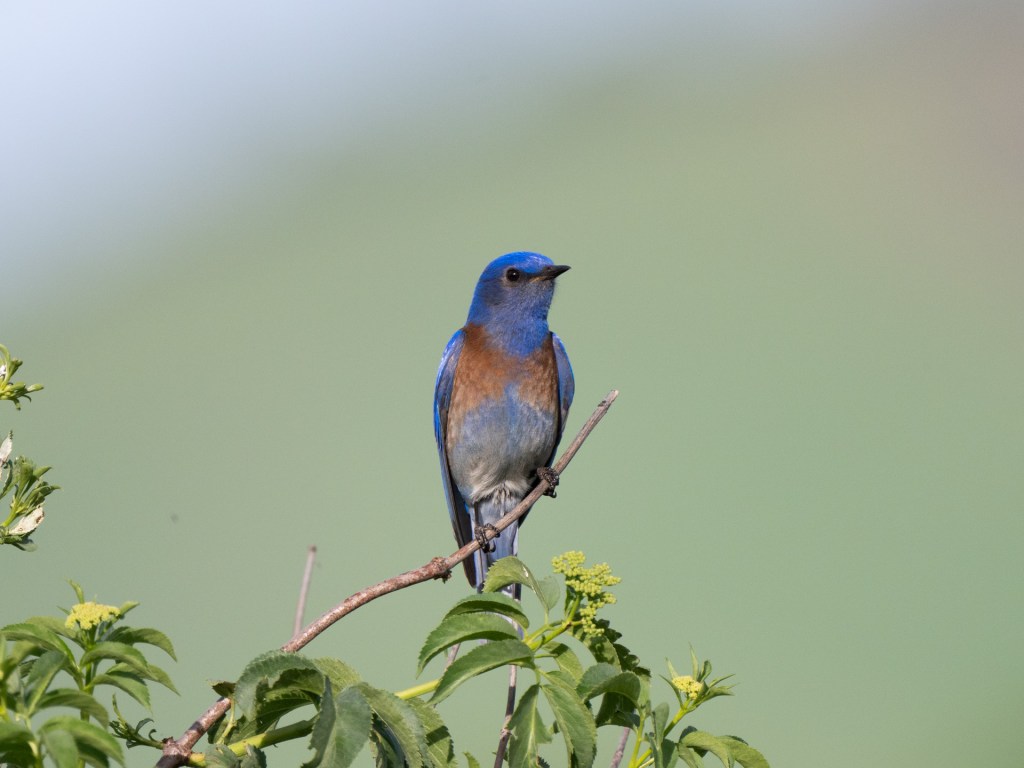
Red-tailed HawkWestern BluebirdCoopers Hawk with mealCoopers Hawk stretchWhite-tailed KiteFemale Lazuli Bunting !Ash-throated FlycatcherRed-tailed Hawk harrassed by white-tailed kiteBushtit
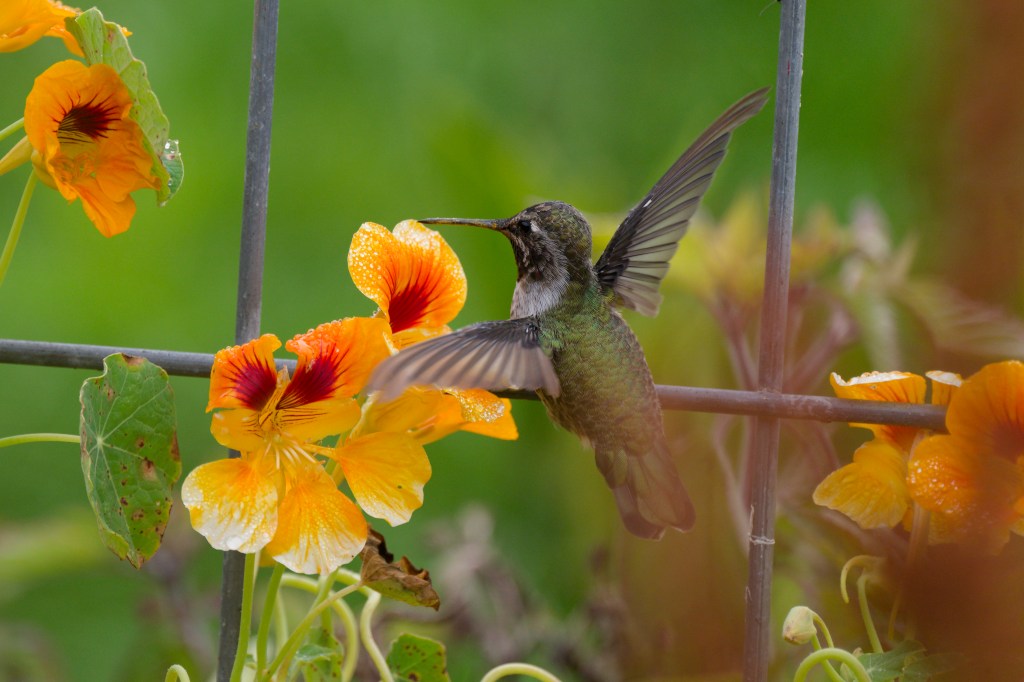
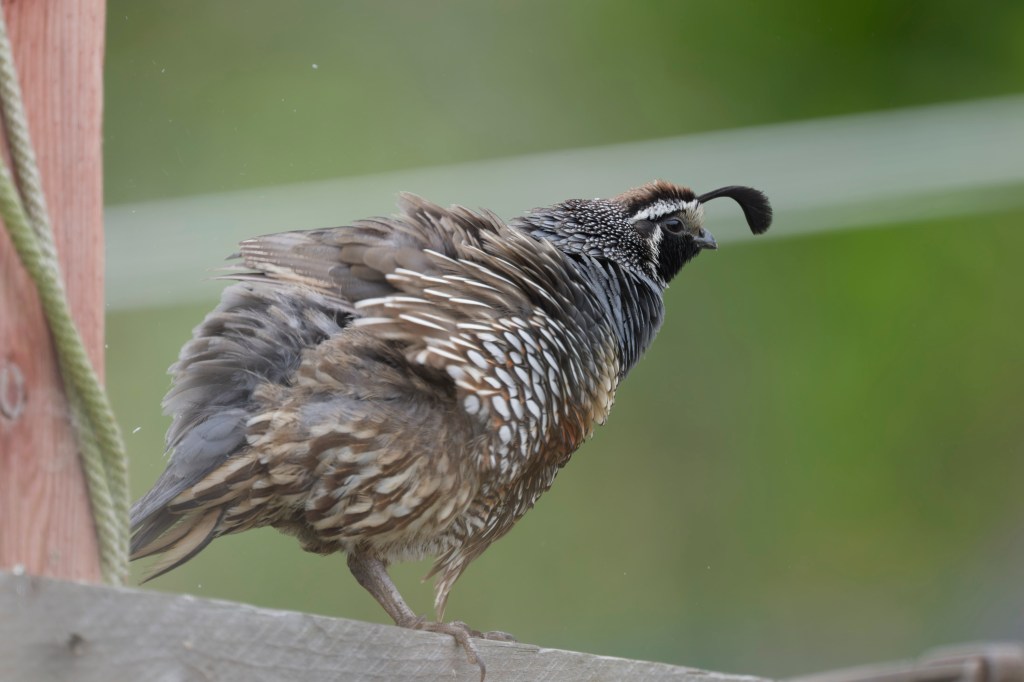
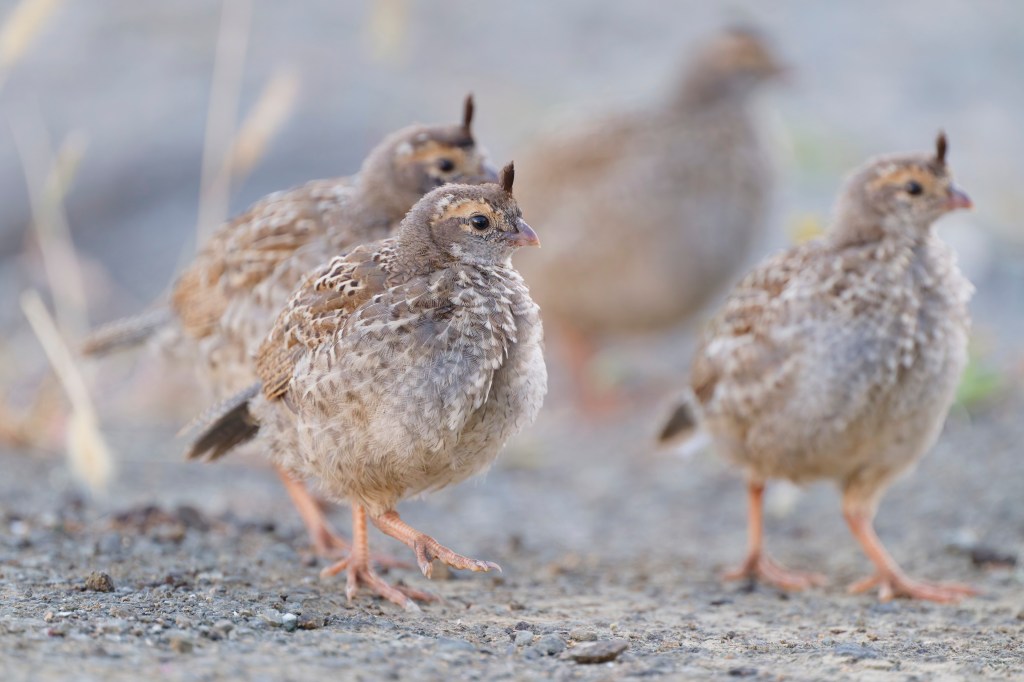
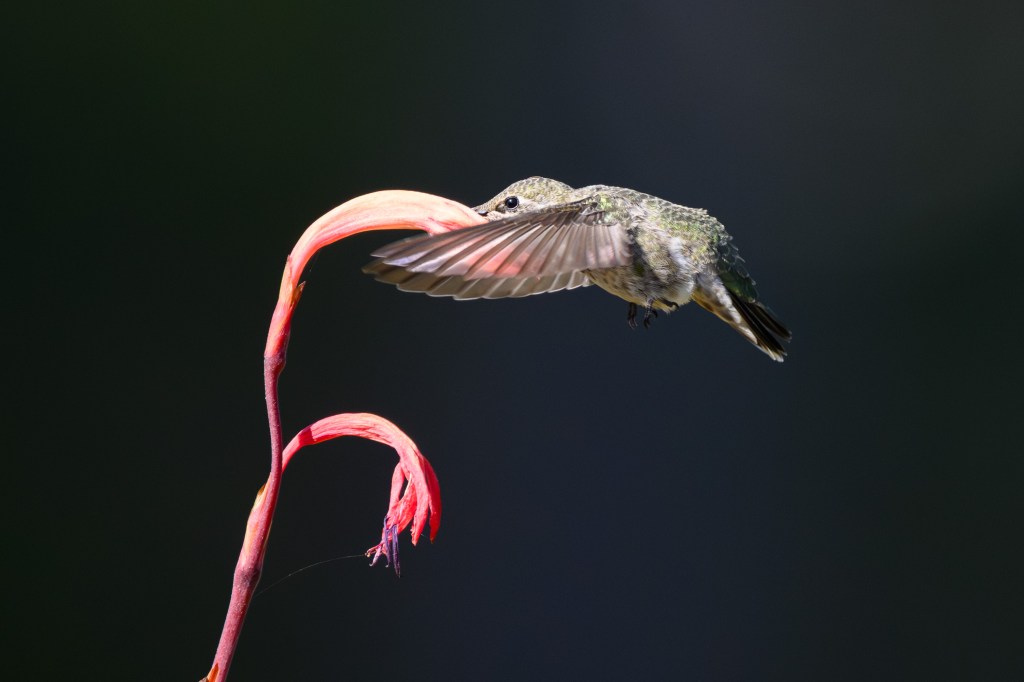
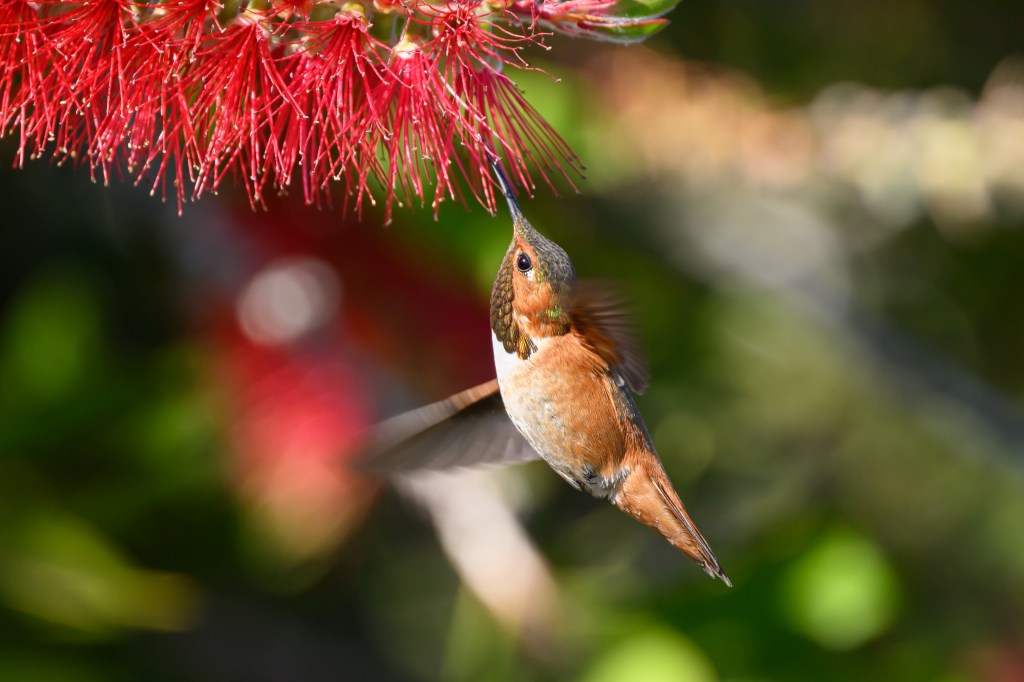
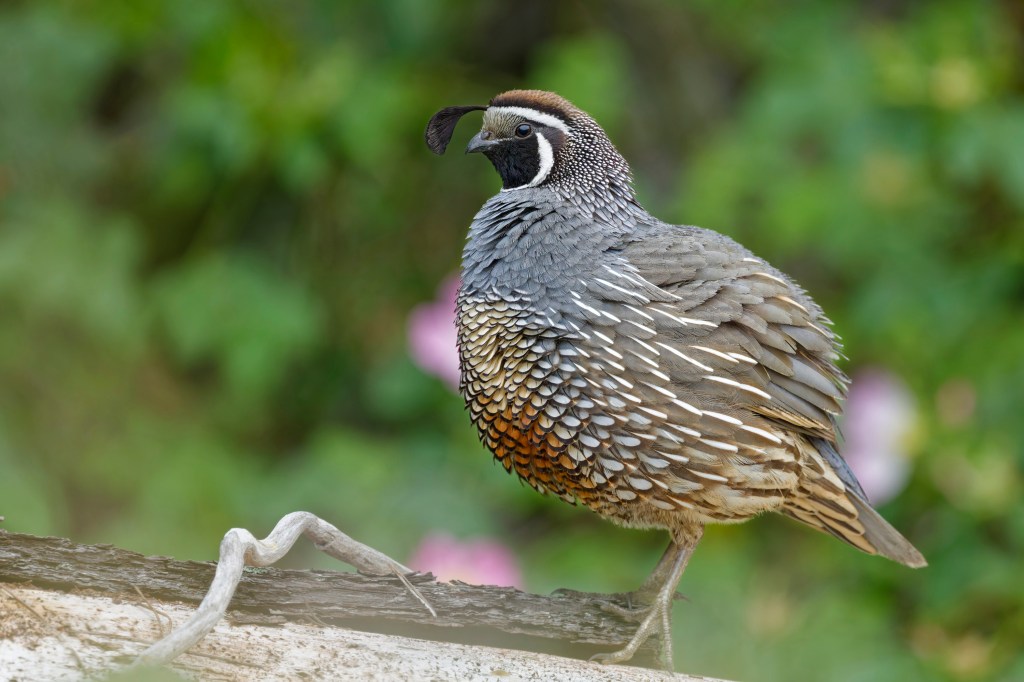
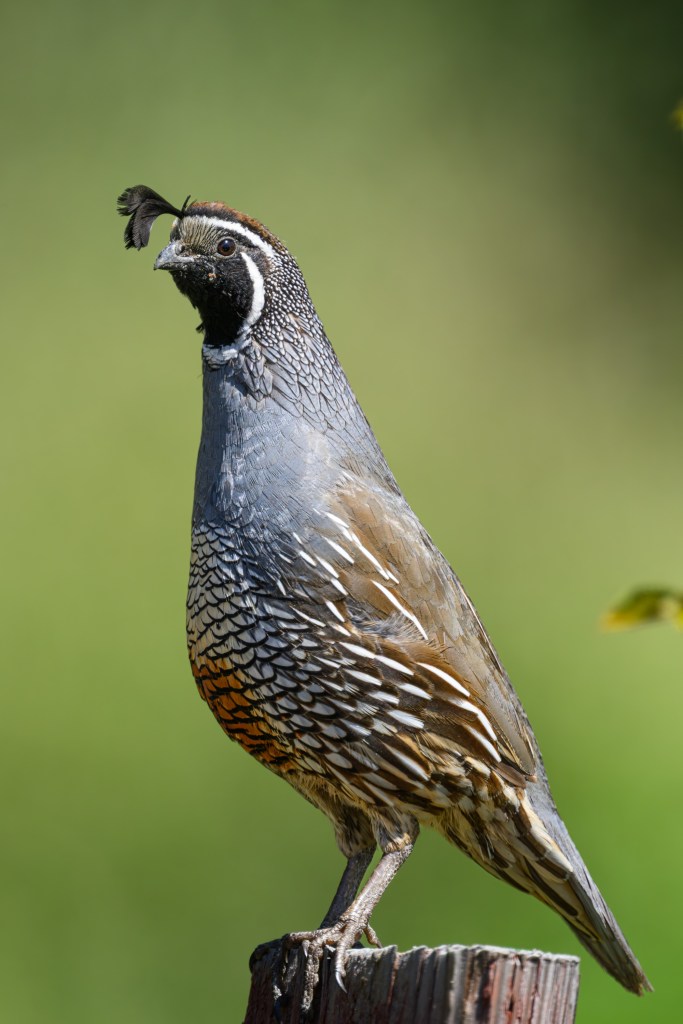
The park where I live has had some residents return with vigor; at least a few Allen’s Hummingbirds, numerous swallows ( barn and violet green) as well as the California Quail. 🙂
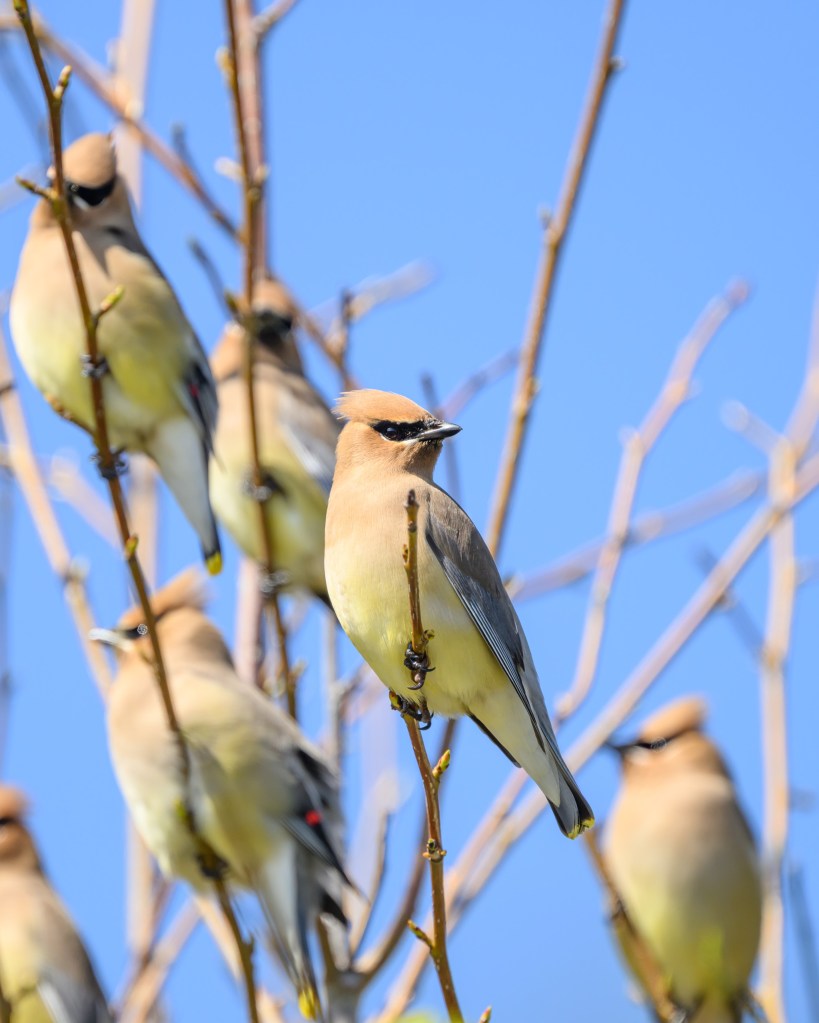
The under-rated Cedar Waxwings frequently come in-and-out in flocks of 20 or more birds.
The last two weeks have also proven to be pretty good regarding lifers as I present to you my most recent.
#169 – Spotted Sandpiper
The wife and I did a walk from Sea Ranch to the Del Mar Landing State Marine Reserve – another beautiful coastal walk along a bluff. While there, we spotted numerous gulls, oyster catchers, cormorants and brown pelicans. I also spotted a bird that seemed out of place to me – where “out of place” means I had not seen them along the bluff trail before. Sure enough, he turned out to be a lifer for me, the Spotted Sandpiper.
#170 – Pacific Loon
Loons… and specifically the common vs red-breasted variety… have gotten me busted by the eBird police twice. But this new lifer is distinct enough that it stands on its own.
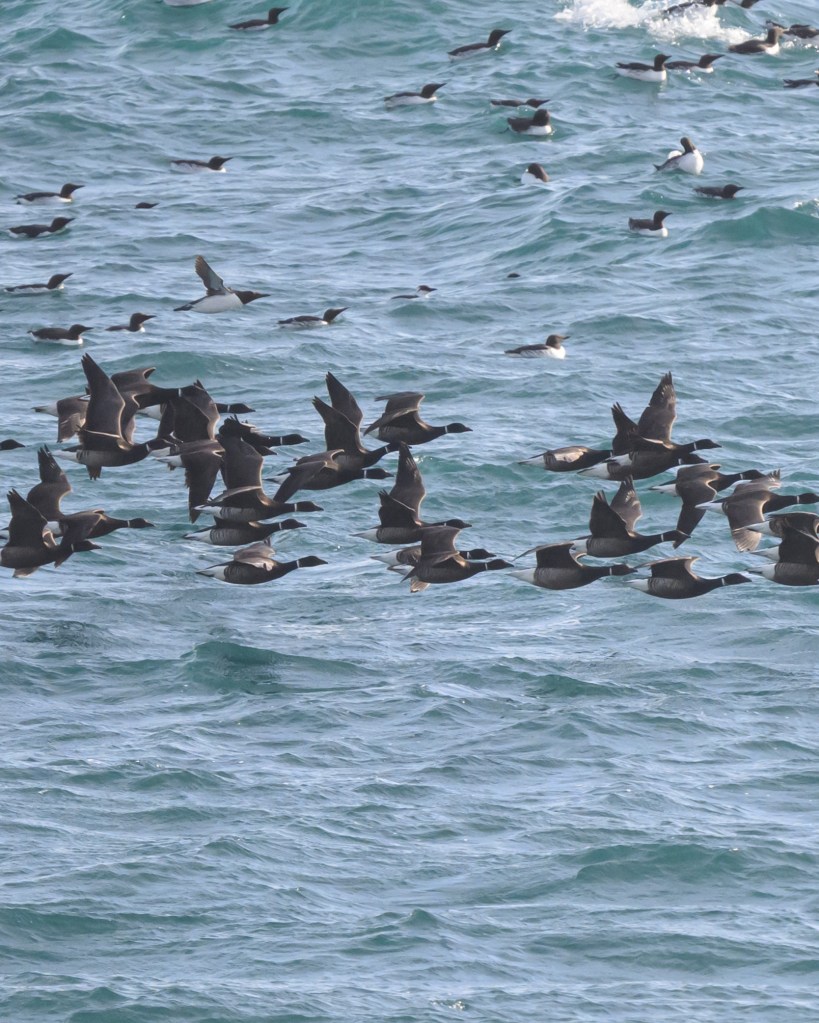
#171 – Brant
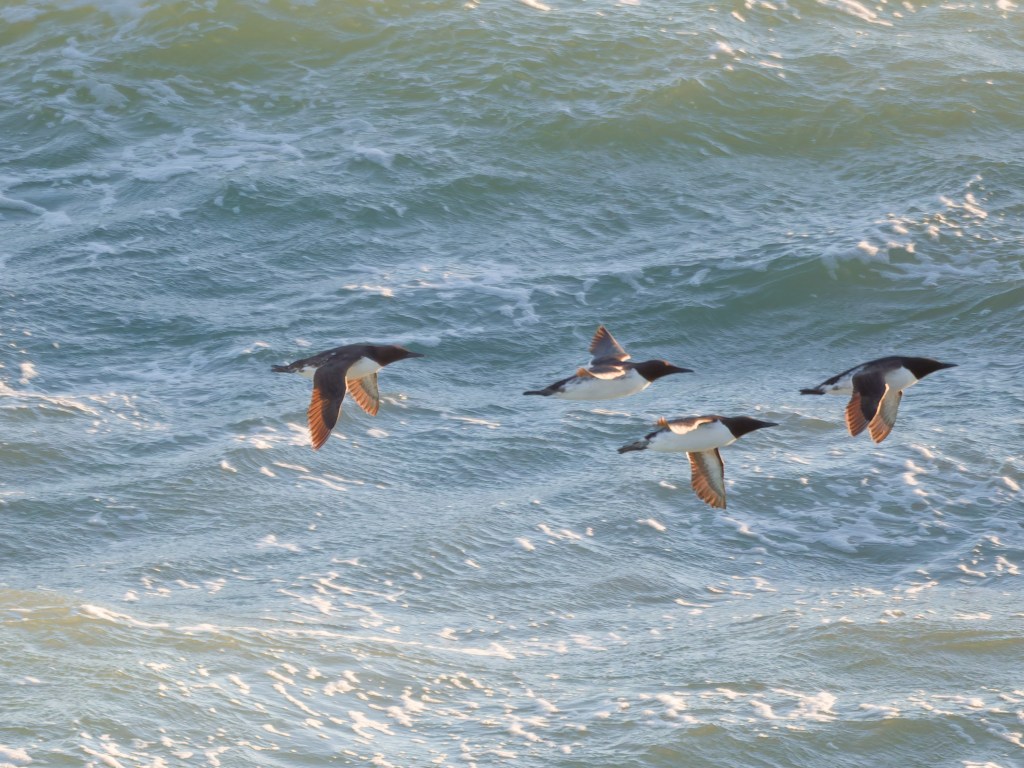
#172 – Common Murre
Both of these seabirds were seen together. They’re both fairly far off-shore; when seen with the naked eye they look like far-off birds. With my camera, I’m able to get a better visual on them.
They were both seen on ( what I call ) the southern end of the Gualala Regional Park trail – the part that goes into Sea Ranch. And this is where “the chase” begun.
Last spring and summer, we had daily Osprey fly-overs for the park, frequently with an Osprey carrying a fish. It never became boring seeing an Osprey carrying a fish, but it made me want to catch a photo of them fishing – or, more specifically, catching a fish.
Since the Osprey come back in mid-March, I’ve been seeing them sporadically at both the Gualala State Park and over our home park. Infrequently I’ve caught an individual with a fish.
More specifically, when inside the Gualala State Park, they almost always seem to be emanating from the south.
So, yesterday I decided to buck my normal walk of the “grand loop” of the Gualala State park, and venture south into Sea Ranch.
And sure enough, I found my first Osprey fishing. I say this like I’m some sort of authority on being able to suss out what an Osprey is doing, but in this case it seemed reasonable. He was fishing near a particular inlet in the ocean, continuously hovering over a couple of spots – looking intently down. Twice I saw his talons come out and he started a dive… and then aborted. Unfortunately, he moved back up the coast ( north !?! ) and I would never catch back up. But now I have at least a location where I’ve seen him fish. With any luck this year I’ll finally get a photo of an Osprey pulling a fish out of the ocean.
Allen’s HummingbirdCalifornia QuailRed-tailed HawkBrown PelicanWHERE U GET UR FISH ?Cedar WaxwingsEuropean Starling“Fishing”I presume gathering nesting materials.Turkey VultureHorror MoviePelagic CormorantBrants (foreground) and Common Mures (background)
Am I a wildlife photographer or a birder?
I find myself falling into the trap of comparing myself to what I see online and feeling like I’m neither.
I post many “photos” of birds with my eBird reports; when viewing other eBirder reports, it seems like most people don’t add photos. I know what scrub jays and yellow-breasted warblers look like now, why am I compelled to add a boring photo to my reports? I think I’m adding photos to my reports as a form of reinforcement. A definite case I feel like adding a photo is when I have any doubt – I think it’s a ( for example ) pelagic cormorant – and eBird might agree – but the eBird police might see the photo and determine it is some other cormorant variant.
So, I continue to add photos to many of my common bird sightings and question my birding ability. (One thing I do is rate my purely ID photos 1-star in hope of ensuring they are skipped from other people viewing them.)
And then there’s the whole “wildlife photographer” issue – it seems like there are a multitude of fantastic wildlife photographers online. I compare their shots to most of my drab photos and question my abilities. But I do recognize a few things that can separate the best wildlife photographers and myself – they often spend hours in the field at a single location waiting for a photo. I am always moving. They tend to shoot early in the morning – my 5-6pm birding is just not as conducive to the best light or subjects. At least this is the story I’m telling myself.
Regardless, April has started out OK – I’ve recently added two new lifers and have had some nice encounters. The encounters are always on the other side of the field I’m standing in, but one day I’ll be on the right side and get a killer shot. (The photos of the encounters are heavily-cropped )
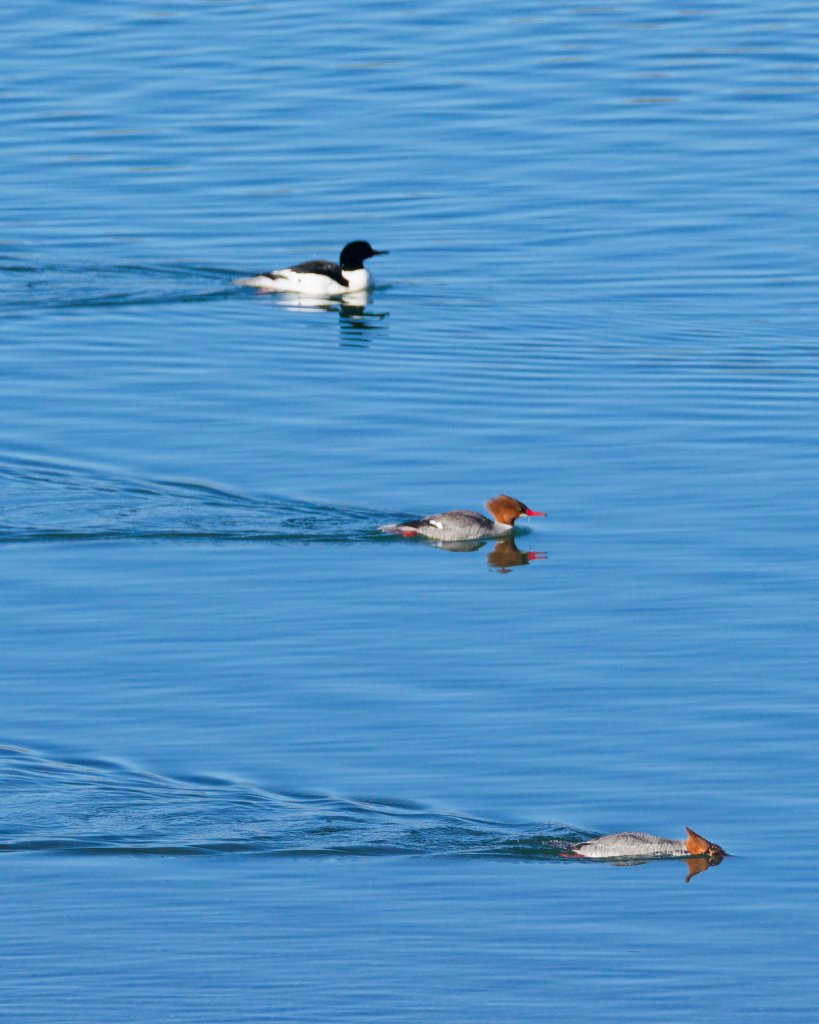
#168 – Red-necked Duck
#167 – Pigeon Guillemot
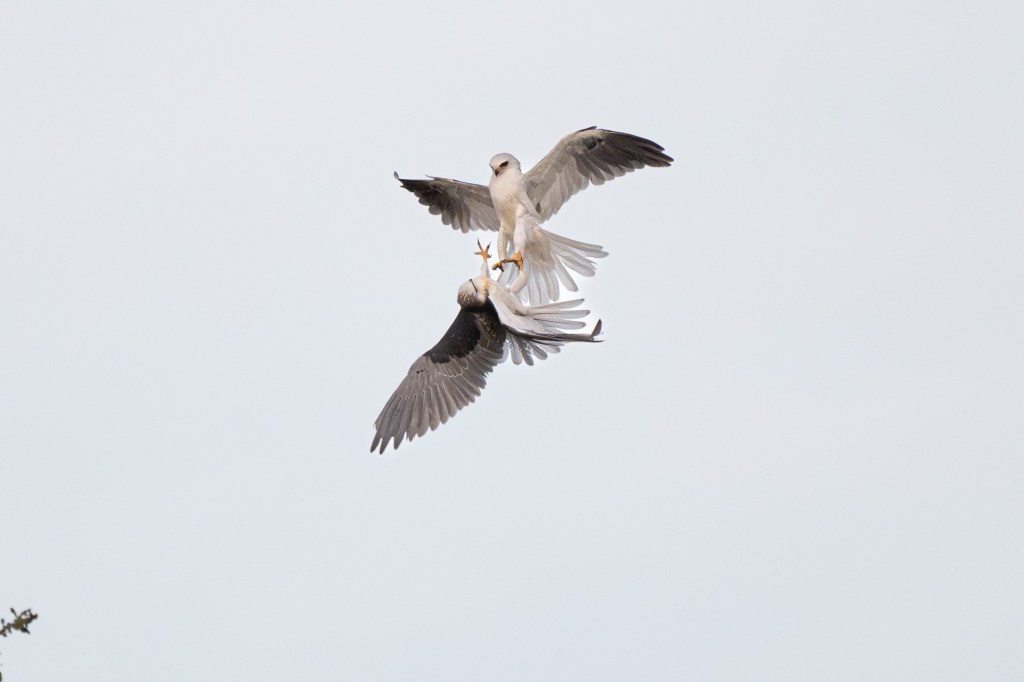
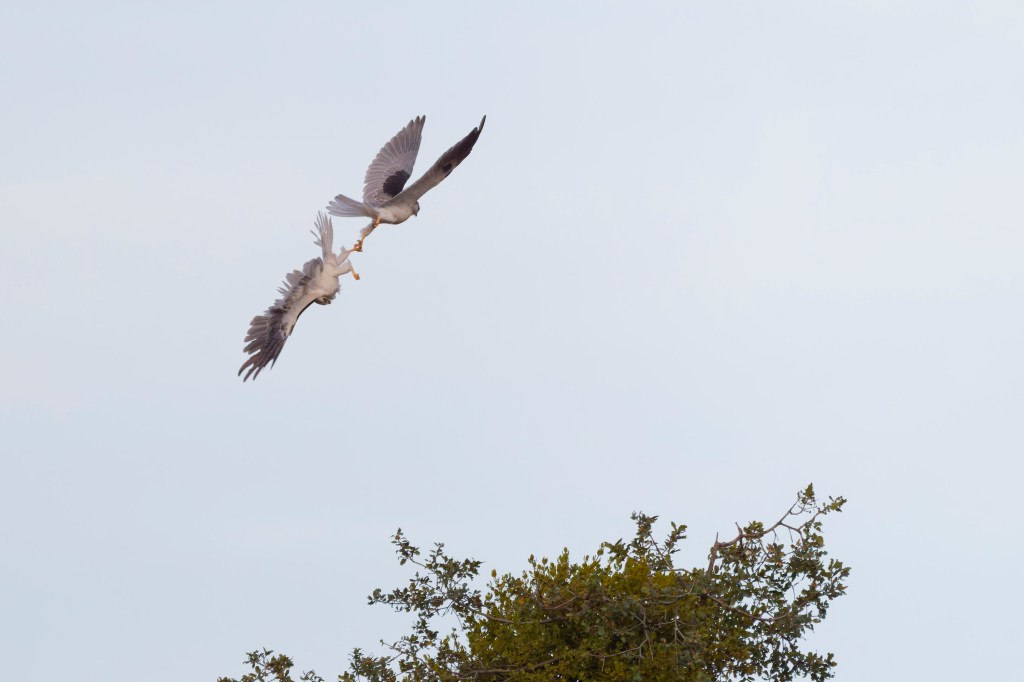
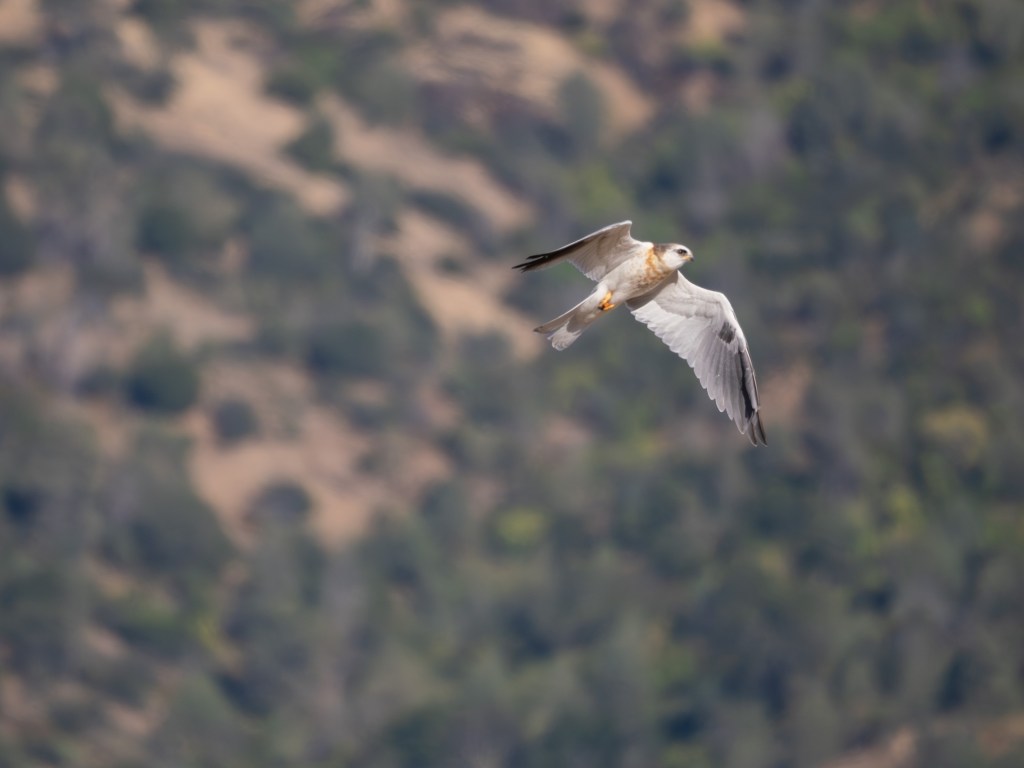
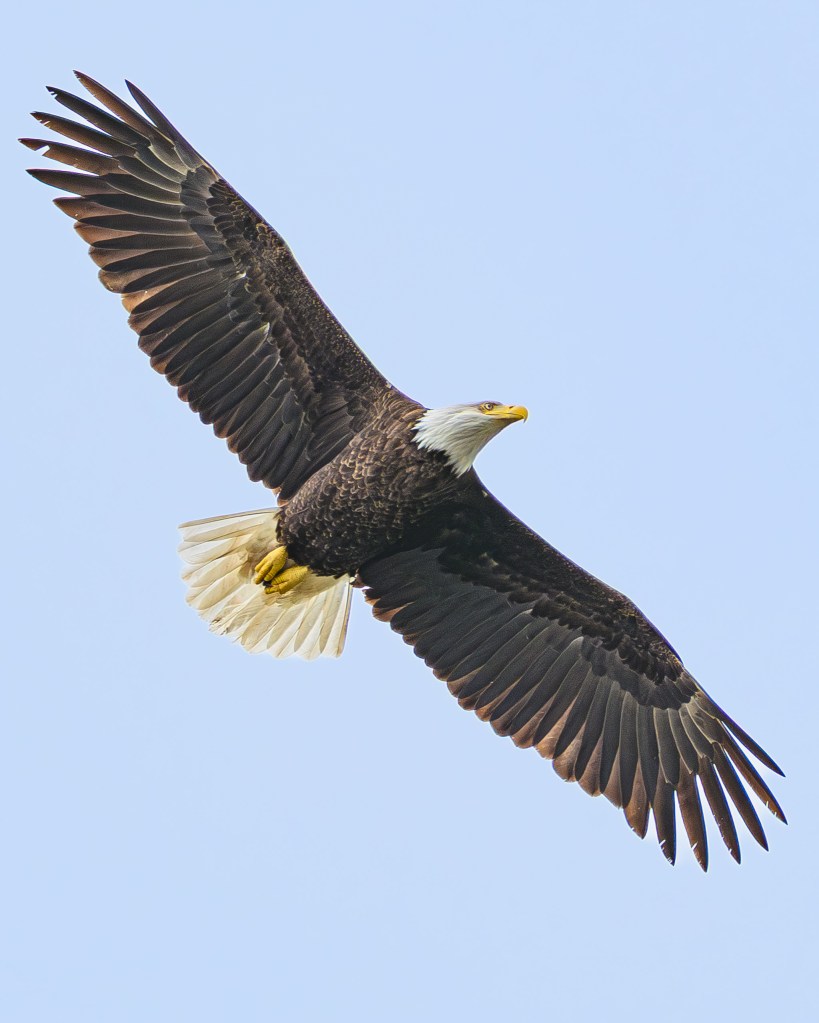
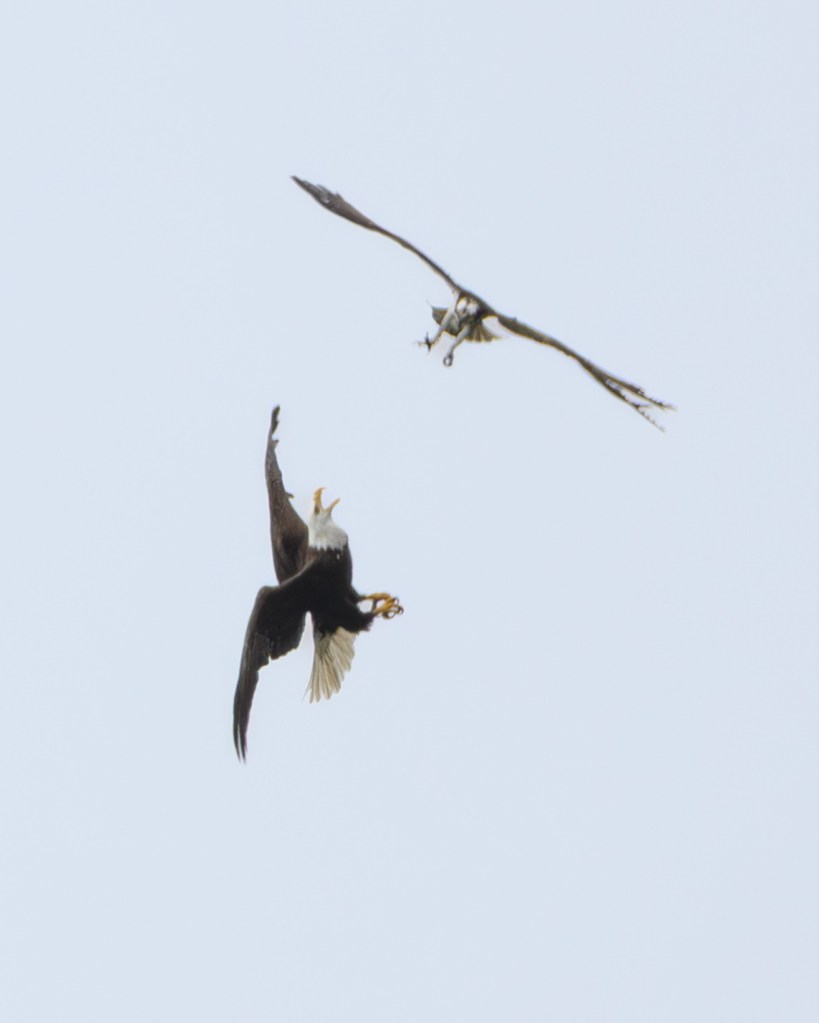
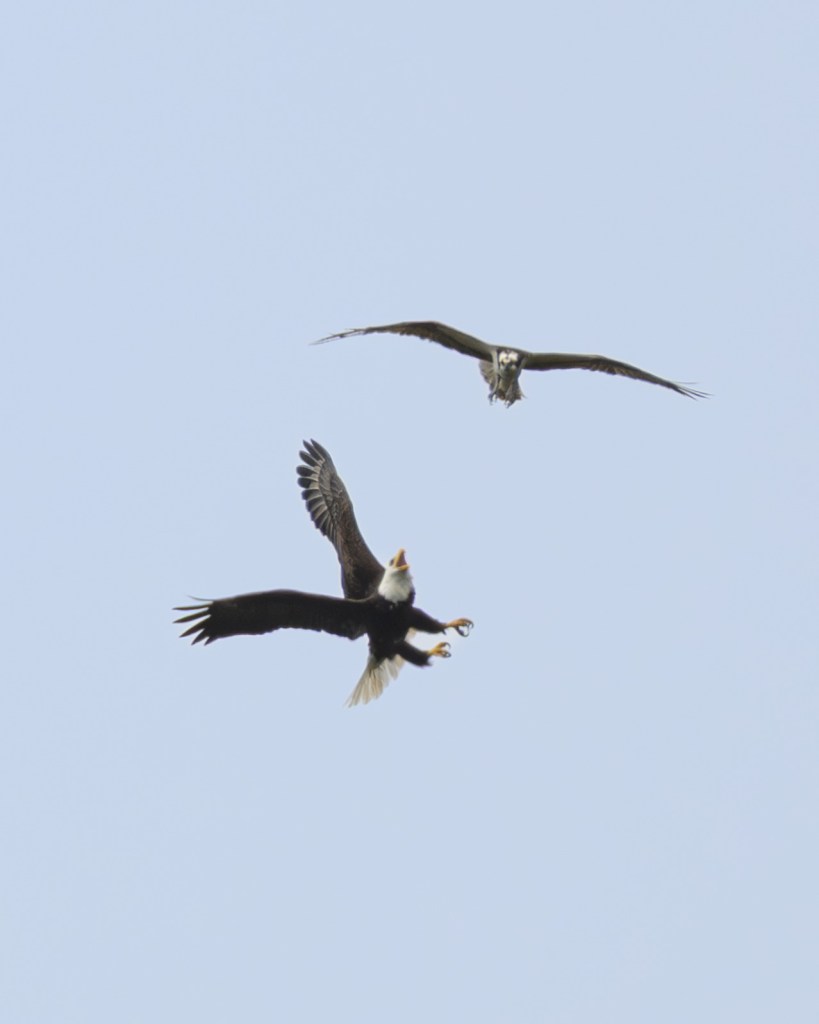
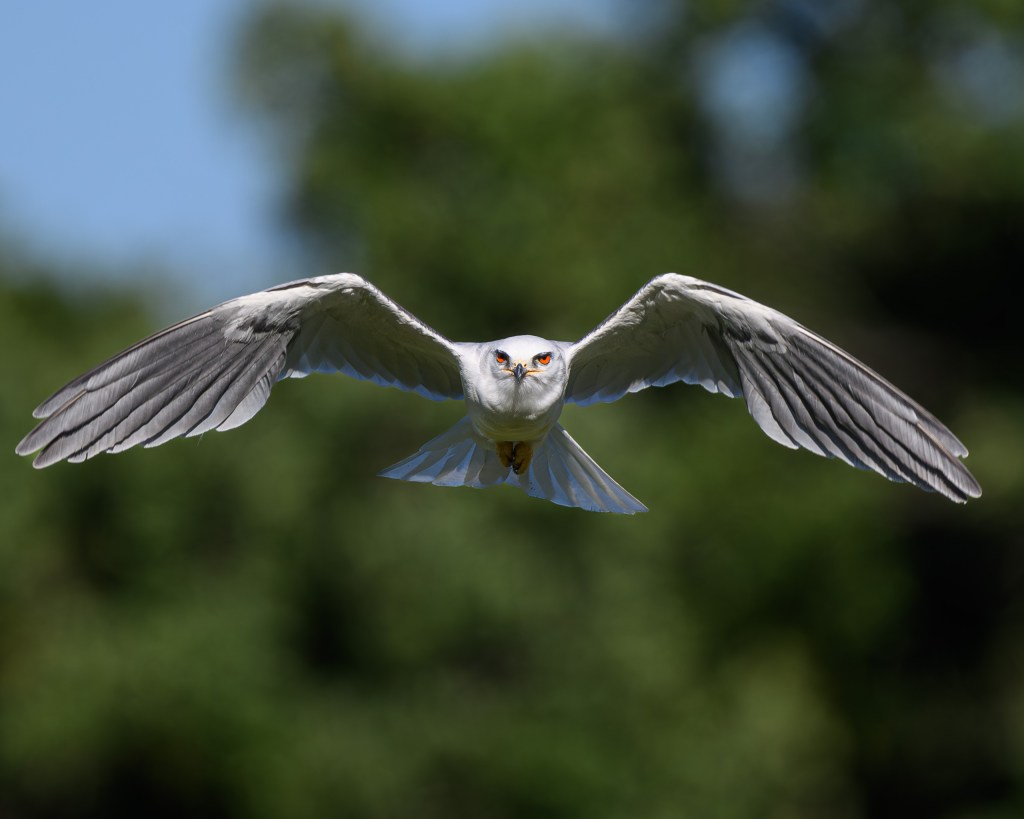
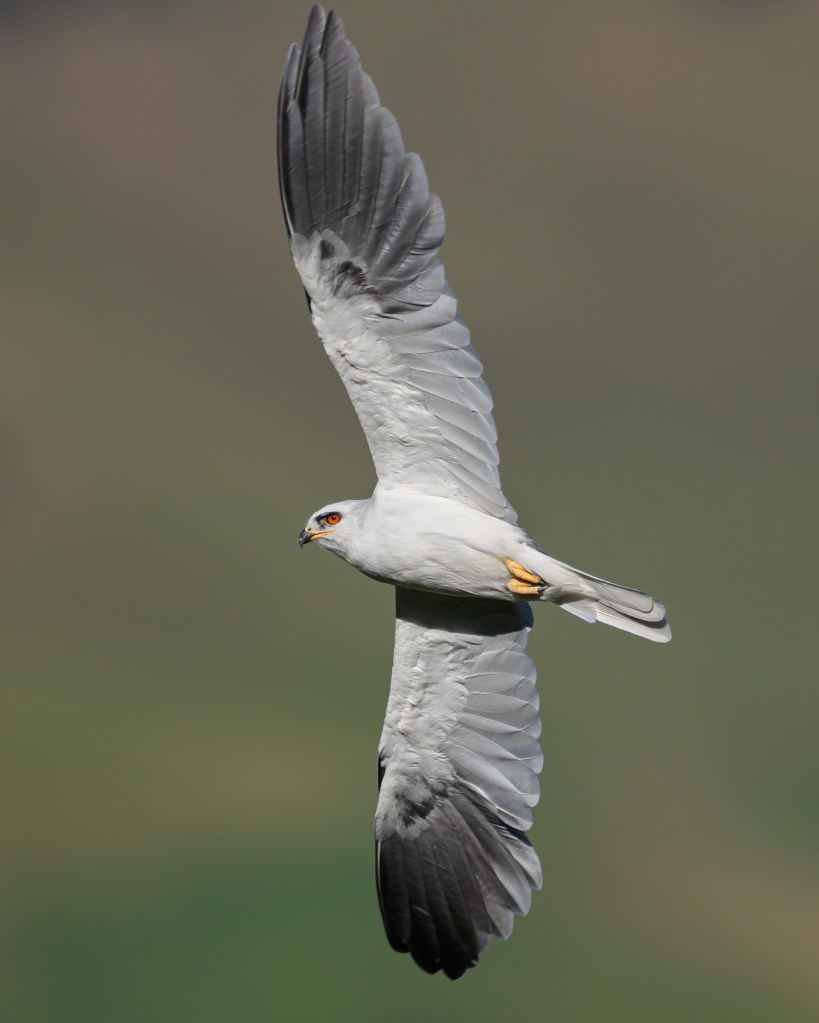
Here are some recent shots from the first week of April, including an encounter between a white-tailed kite and a red-tailed hawk and a bald-eagle being a bitch to an osprey. Oh yeah… the osprey are back!
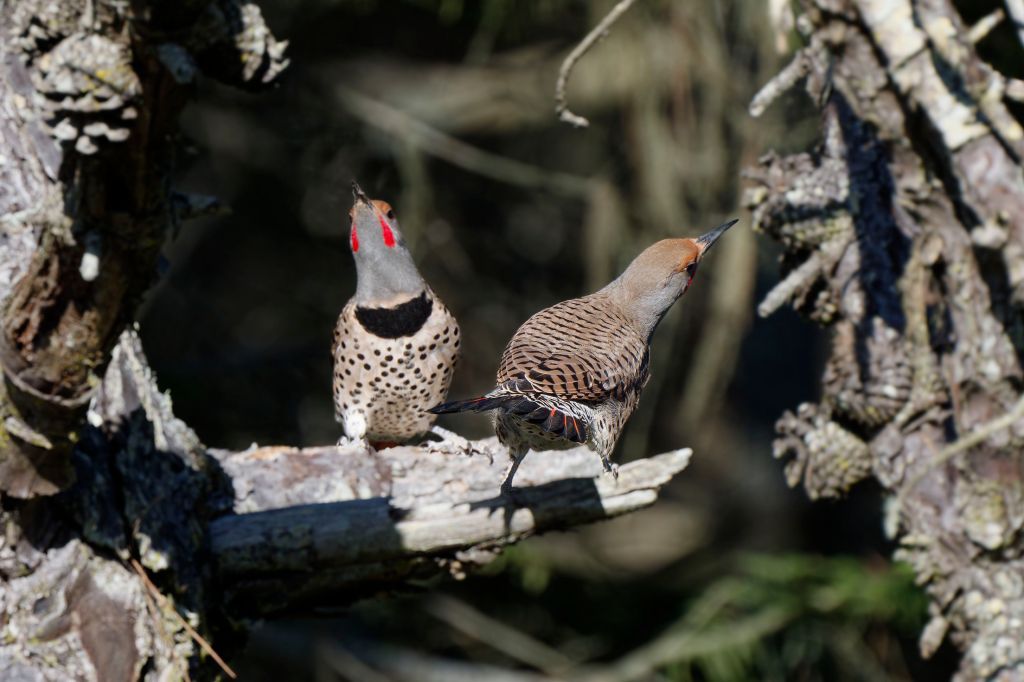
The other day, I heard some continuous bird chatter that I wasn’t sure I recognized. Merlin Bird ID to the rescue – it was a pair of Northern Flickers yakking continuously.
I ended up spending a few minutes trying to locate them when they popped out on the edge of a row of trees. Within a moment, they started what I can only assume is a courtship ritual – dancing hilariously back-and-forth for a couple of minutes. I managed a few photos, but the video I got was so jumpy ( I was really zoomed in ) that it’s useless. Regardless, it was a terrific encounter.
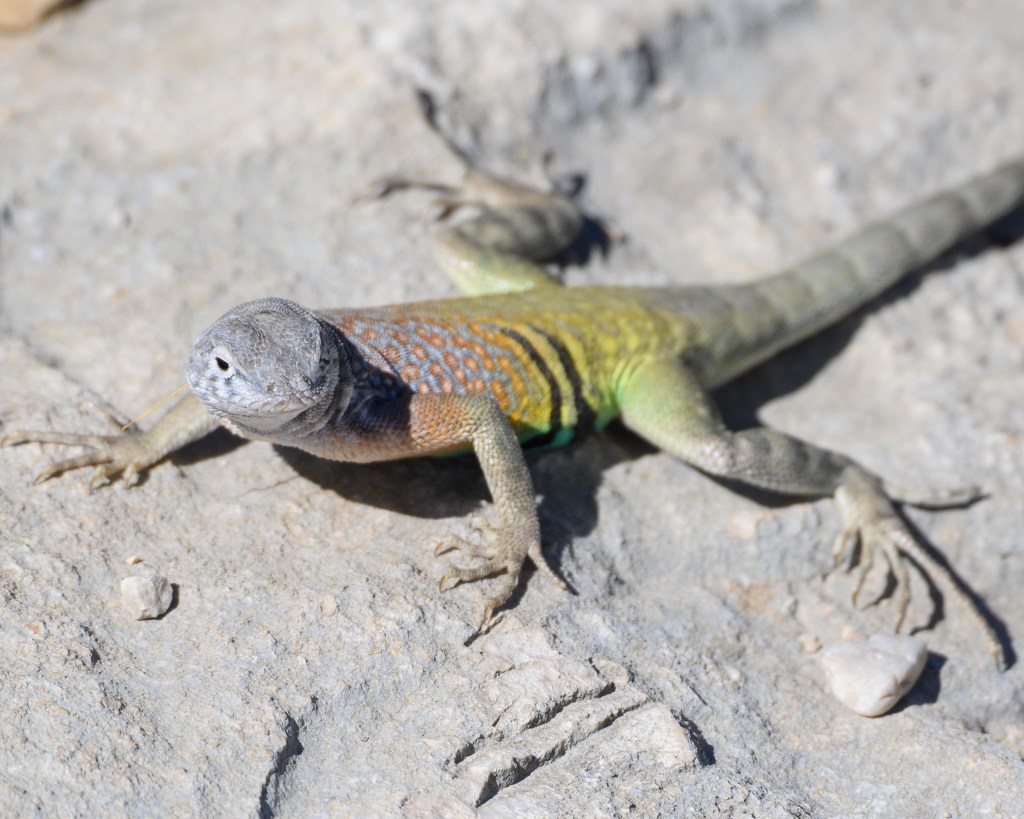
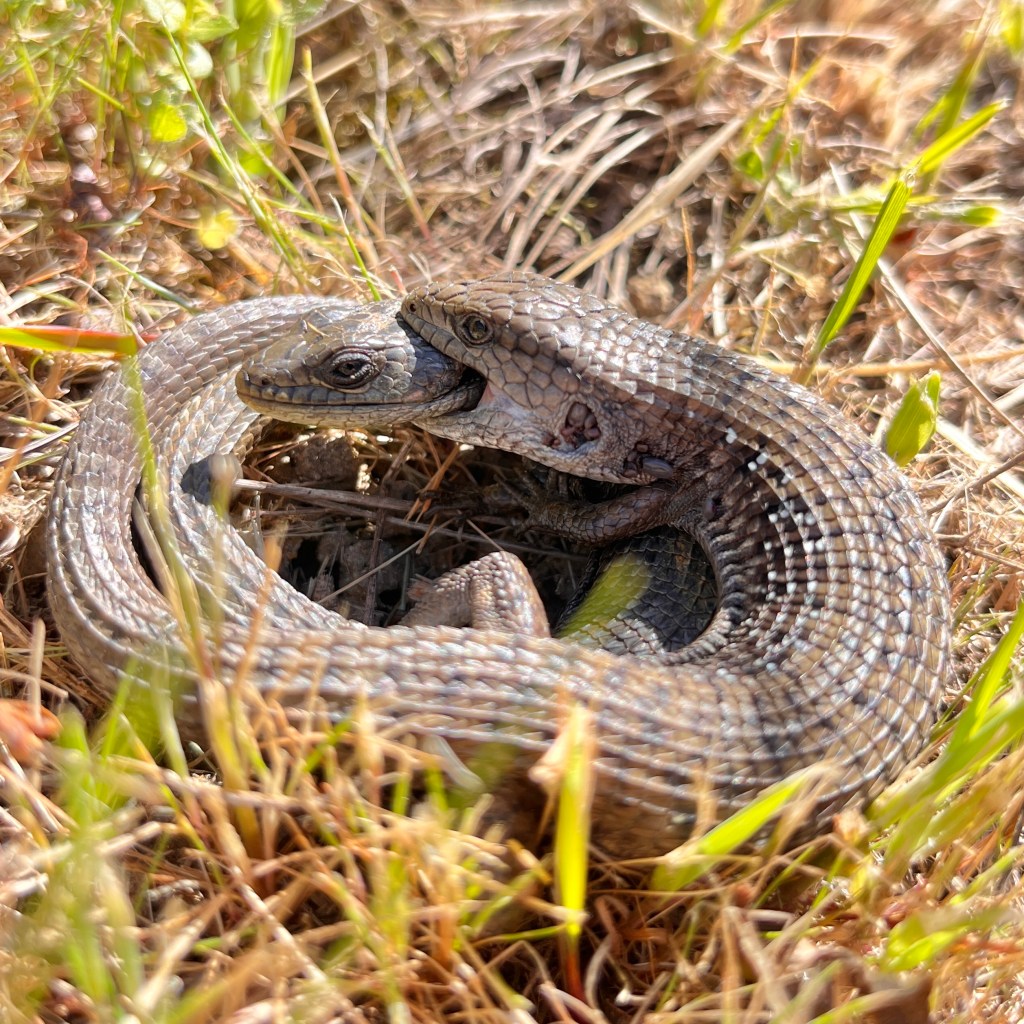
Earlier today, I saw what I thought was a snake in the grasses – only to realize it was a pair of lizards… courting each other?
This month i’ve also managed a couple of new lifers and pissing off the eBird police again. The good news are the lifers; and I suppose the good news is I pissed off the eBird police but I pissed them off less obviously than in the past. This time I misidentified a red-throated loon as a common loon.